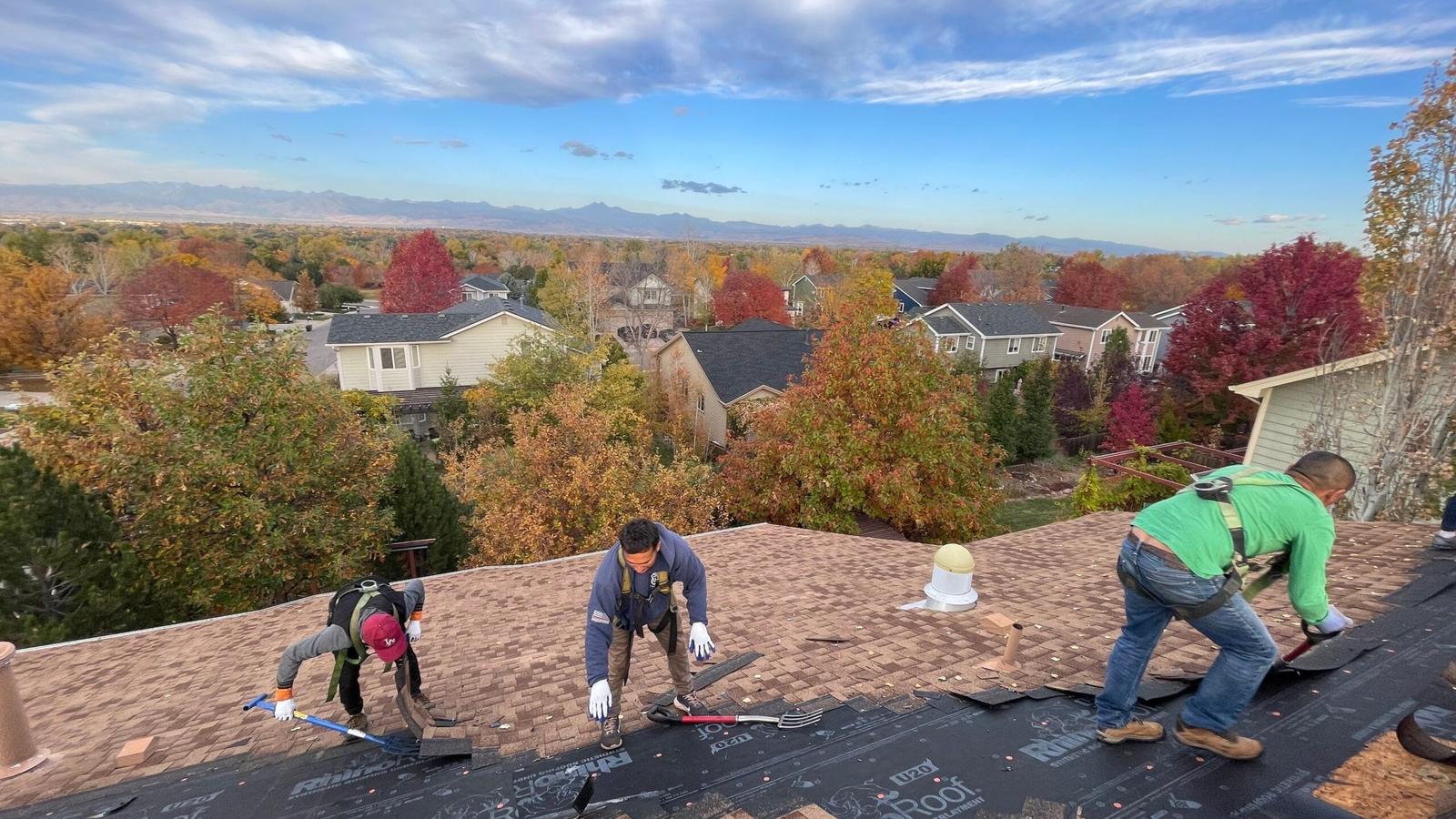
If you are wondering when to replace your roof in Colorado, fall is often one of the best times to make that decision. For Denver homeowners, autumn brings cooler temperatures, more predictable scheduling, and a practical window to address hail damage, aging shingles, and leak risks before snow and freeze-thaw cycles make roof problems worse. Knowing the warning signs now can help you avoid emergency repairs, interior damage, and insurance-claim headaches later.
Why fall is a smart time for roof replacement in Colorado
Colorado roofs take a beating. Between hail, strong sun, wind, rapid temperature swings, and heavy winter weather, roofing systems on the Front Range age faster than many homeowners expect. Fall gives you a chance to inspect the condition of your roof after summer storm season and before winter exposes weak spots.
For many homes in Denver and surrounding areas, fall offers a few clear advantages:
- Storm damage is easier to identify after spring and summer hail events
- Moderate temperatures can be ideal for asphalt shingle installation
- Contractor availability may be more predictable than during peak emergency storm periods
- You can reduce winter leak risk by replacing a failing roof before snow arrives
- Insurance claims can move more smoothly when damage is documented before conditions worsen
If your roof is already near the end of its service life, waiting until mid-winter can turn a planned roof replacement into a more expensive repair situation.
Key signs your roof may need replacement
Not every roof problem means full replacement. Some issues can be handled with targeted repairs. But if multiple warning signs are present, replacement is often the smarter long-term move.
1. Your roof is older and showing wear
Age alone does not decide everything, but it matters. Many asphalt shingle roofs in Colorado do not age on a perfect manufacturer timeline because UV exposure, hail, and thermal movement accelerate wear.
Watch for signs such as:
- Curling, cracking, or brittle shingles
- Granule loss collecting in gutters or downspouts
- Bald spots on shingles
- Repeated small leaks or repair history
- Uneven roof appearance across multiple slopes
If the roof is older and these issues are widespread, a repair may only buy limited time.
2. Hail damage is visible or suspected
Denver sits in a region often called Hail Alley, and hail damage is one of the biggest reasons homeowners end up replacing a roof. The challenge is that hail damage is not always obvious from the ground. A roof can look mostly intact while still having bruised shingles, compromised matting, damaged vents, and other issues that shorten roof life.
Common clues include:
- Dents on gutters, downspouts, flashing, or soft metal vents
- Random dark spots or impact marks on shingles
- Broken or displaced shingles after a storm
- Water stains in the attic or ceiling after hail season
- Neighbors on your street getting roof work after the same storm
A professional inspection matters here, especially if you may be filing an insurance claim. Proper storm documentation can make a major difference. Learn more about our hail damage inspection services.
3. Repairs are becoming frequent
A repair here and there is normal. But when a roof keeps needing patchwork, it usually means the system as a whole is declining. Replacing a section may not solve hidden deterioration in underlayment, flashing, or surrounding shingles.
A few signs you may be past the repair stage:
- You have had multiple repairs in the last few years
- New leaks keep showing up in different areas
- Flashing failures are happening around chimneys, skylights, or valleys
- Previous repairs do not match or integrate well with the existing roof
If you are unsure whether to repair or replace, it helps to compare the likely remaining life of the roof with the cost of continued fixes. You can also review general roof pricing information or roof repair pricing for planning purposes.
4. You see interior signs of moisture
Sometimes the clearest warning signs are inside the house, not on top of it. If your roof has been compromised by hail, wind, or age, moisture can travel before it becomes visible.
Check for:
- Ceiling stains or wall discoloration
- Peeling paint near rooflines
- Moldy or musty attic odors
- Damp insulation in the attic
- Sunlight visible through roof boards
By fall, these symptoms should not be ignored. Winter snow and ice can drive even more moisture into small openings.
Replace or repair? How to decide
This is one of the most common questions homeowners ask. In general, repairs make sense when damage is limited, isolated, and the roof still has meaningful life left. Replacement makes more sense when damage is widespread, the roof is aging, or the cost of repeated repairs starts approaching the value of a new system.
Repair may be enough if:
- Damage is confined to a small area
- The roof is relatively newer
- There is no broad hail impact across the slope
- Shingles are still flexible and in good condition overall
- Flashing or ventilation issues can be corrected without major tear-off
Replacement is usually the better choice if:
- Hail damage affects multiple slopes
- Shingle wear is widespread
- Leaks are recurring
- The roof deck or underlayment may be compromised
- Matching existing materials is difficult or impossible
- An insurance claim supports restoring the full roofing system
An experienced inspection helps separate cosmetic concerns from functional damage. That is especially important in Colorado, where storm damage often overlaps with normal aging.
What Denver homeowners should do in fall
If you suspect your roof is nearing replacement time, fall is the season to act methodically.
Schedule a professional inspection
Start with a full roof inspection, not just a quick look from the ground. A proper inspection should consider shingles, flashing, penetrations, ventilation, gutters, and indicators of hail or wind damage. For homeowners dealing with a possible storm loss, detailed documentation is critical.
At AC INC. Roofing, our HAAG Certified Master Inspectors document damage the way carriers expect, which can help when a claim is involved.
Review storm history
Think back through the spring and summer. Did your area have hail, high wind, or heavy rain? Even if you did not notice an immediate leak, a storm event may have weakened the roof. This is common in Denver and throughout the Front Range.
Check your attic before temperatures drop
A quick attic check can reveal:
- Water staining on decking or rafters
- Damp insulation
- Poor airflow or trapped humidity
- Light penetrating through gaps
These findings can support the case for repair or replacement.
Don’t wait for the first major snowstorm
Once winter conditions set in, small roof problems become harder to manage. Snow load, ice dams, and freeze-thaw cycles can turn a manageable roofing project into an urgent situation. Fall gives you more control over timing and scope.
Insurance claim considerations after hail season
If storm damage is part of the picture, timing matters. Many homeowners wait too long because the roof is not actively leaking. But insurance claims often depend on clear evidence that damage occurred during a covered event and affected the roof’s function.
A few practical tips:
- Schedule an inspection soon after you suspect hail damage
- Take photos of visible exterior signs if it is safe to do so
- Save notes about storm dates in your neighborhood
- Avoid signing up with anyone who promises claim outcomes
- Work with a contractor who can provide thorough documentation
A qualified roofer should help you understand what was found, whether it appears repairable, and what an insurer may want to see during the process. If you own rental, retail, office, or multi-unit property, our commercial roofing services can help evaluate storm-related damage as well.
Common mistakes to avoid
Colorado homeowners often run into the same roof-replacement problems each fall. Avoiding them can save time and frustration.
- Waiting for an active leak before taking action
- Assuming no visible damage means no hail damage
- Focusing only on shingles and ignoring flashing, vents, and gutters
- Choosing repeated repairs on an aging roof with widespread wear
- Delaying documentation for a possible insurance claim
- Trying to compare roofs on price alone without looking at scope and inspection quality
The right decision is not always the cheapest short-term option. It is the option that protects the house through winter and reduces the chance of repeated issues.
Why local experience matters in Colorado
Roof replacement in Colorado is not the same as roof replacement in a milder climate. Denver-area homes face hail exposure, high UV, steep weather swings, and winter conditions that can expose installation shortcuts quickly.
That is why local experience matters when evaluating whether a roof can be repaired or should be replaced. A contractor who understands Front Range storm patterns and material performance can give you a more realistic recommendation.
For homeowners planning broader exterior work, it may also make sense to evaluate gutters and siding at the same time, especially after hail.
Next step
If you are unsure whether this fall is the right time to replace your roof, the best next move is a professional inspection. AC INC. Roofing provides residential and commercial evaluations across Colorado and Wyoming, including detailed storm documentation when hail damage is involved. Explore our residential roofing services or contact us to schedule a free inspection or estimate before winter arrives.