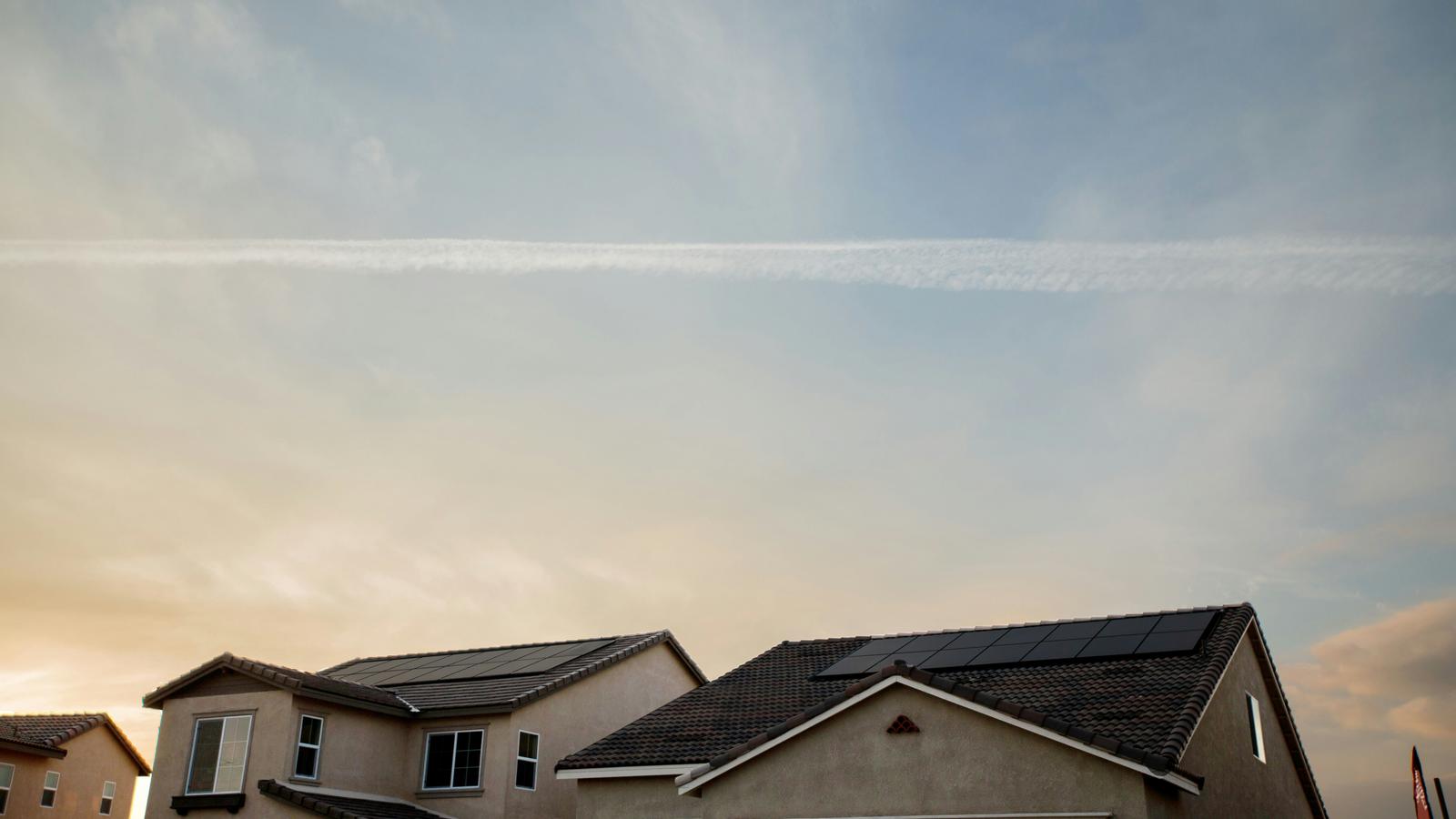
Ice dams are a repeat winter headache along Colorado’s Front Range and into Cheyenne, especially when daytime sun warms roofs and nighttime temps plunge. The freeze–thaw cycle melts snow high on the roof, water runs down to the colder eaves, refreezes, and forms a dam that backs water under shingles. While insulation and air sealing matter, roof ventilation errors are one of the most common—and fixable—contributors to ice damming.
AC INC. Roofing (Advanced Consulting, Inc.) is a licensed and insured roofing contractor based in Denver and serving the metro area, the Front Range, and Cheyenne. Our HAAG-certified inspectors provide free roof inspections, and our team brings top-tier credentials, including Master HAAG Certification (Colorado’s first to reach Master level), Atlas Pro+ Platinum, GAF Certified, Directorii-certified, and Fortified Roofing Solutions certification.
How ice dams form in our climate
- Sun or attic heat warms the upper roof surface.
- Meltwater flows to the unheated eaves and refreezes.
- The ice ridge traps more meltwater, which can back up under shingles and leak into the attic or walls.
- Repeated freeze–thaw expands damage and can saturate insulation, shorten shingle life, and stress gutters.
Ventilation mistakes that trigger ice dams
Avoiding these common errors can dramatically reduce the risk of ice dams and moisture problems.
1) Inadequate intake at the eaves (soffits)
– Blocked or painted-over soffit vents prevent cold air from flushing the attic.
– Insulation stuffed tight to the eaves without baffles cuts off airflow.
– Result: attic warms unevenly, snow melts high and refreezes low.
2) Unbalanced systems: too much exhaust, too little intake
– Building codes typically call for balanced net free vent area (NFVA) using ratios like 1:150 (or 1:300 with a qualifying vapor barrier), split roughly 50/50 between intake and exhaust.
– Overloading ridge or box vents without matching intake can pull conditioned air from the living space and short-circuit airflow.
3) Mixing exhaust types that short-circuit
– Combining ridge vents with box, turtle, or powered attic fans can make the fan or nearest vent pull air from other exhausts instead of from soffits.
– Best practice: choose a single, continuous exhaust strategy and pair it with adequate intake.
4) Bath, kitchen, or dryer ducts terminating in the attic
– Warm, moist air dumped into the attic raises temperatures and humidity, frosting the roof deck and feeding ice dams and mold.
– All fans and dryers should vent outdoors through properly sealed, insulated ducts.
5) Undersized or obstructed ridge vent
– Shallow cuts, debris, paint, or snow-packed filters impede exhaust.
– In high-wind, drifting-snow areas, use ridge vent products designed for snow infiltration resistance and ensure correct cap/shingle installation per manufacturer specs.
6) No baffles (rafter vents) at the eaves
– Without baffles, insulation can sag or be blown into the soffit channel, blocking intake.
– Proper baffles maintain a clear air path from soffit to ridge.
7) Gable vents left active with ridge systems
– Operating gable vents alongside a continuous ridge can reduce the draw from soffits and create hot spots.
– If using a ridge system, evaluate whether gable vents should be sealed per manufacturer guidance and local code.
8) Neglecting attic access points and can lights
– While not “ventilation” hardware, leaky hatches and unsealed recessed lights dump heat into the attic, overwhelming even good venting.
– Air sealing these penetrations supports a stable, cold attic in winter.
Signs your roof needs a ventilation check
- Heavy icicles and ice sheets concentrated at eaves
- Uneven or early snow melt patterns on the roof
- Frost on roof sheathing, rusted nail tips, or musty odors in the attic
- Peeling paint at exterior eaves or interior ceiling stains near outside walls
- Excessive shingle granule loss or premature aging at the eaves
Risks of ice dams to your home
- Water intrusion under shingles and into walls/ceilings
- Wet, compressed insulation and higher energy bills
- Mold-friendly moisture conditions in the attic
- Damaged gutters, fascia, and roofing materials
How AC INC. Roofing can help
As a 5.0‑star rated contractor with deep storm-damage and building-science expertise, we approach ice damming at the roof system level.
- Free HAAG-certified inspection: We assess intake and exhaust balance, soffit and ridge conditions, baffles, attic moisture indicators, underlayment at eaves, shingle and flashing condition, and gutters. You’ll receive clear photos and documentation.
- Code- and manufacturer-aligned repairs or replacements: When we repair or replace a roof, we can correct ventilation design (balanced intake and exhaust), upgrade ridge vent components, add proper intake where applicable, and install modern ice-and-water protection at eaves and valleys per local code. We use premium systems including Atlas impact-resistant shingles, GAF systems, metal and tile options, and low-slope solutions like TPO, EPDM, Modified Bitumen, and fluid-applied coatings for appropriate roof types.
- Resilient roofing options: As an Atlas Pro+ Platinum and GAF Certified contractor, we offer robust system warranties when installed to spec. Our Fortified Roofing Solutions certification reflects training in practices that enhance durability against Colorado’s wind, snow, and hail.
- Insurance documentation support: If your roof has related storm damage (e.g., hail or wind), our team provides thorough documentation to support your claim and can advocate within the claims process as appropriate.
Note: Air sealing and insulation improvements are often part of a comprehensive fix. While we focus on roofing and ventilation at the roof system, we may recommend collaboration with qualified insulation or HVAC professionals when needed.
Quick homeowner checklist before the next freeze
- Visually confirm soffit vents are open and not painted or screened shut.
- Ensure bath and kitchen fans and the dryer exhaust vent outdoors, not into the attic.
- Check that attic hatches are weatherstripped; avoid storing items that compress insulation.
- Look for daylight at eaves—if you can’t see it between rafters, you may need baffles.
- After heavy snowfall, safely remove 3–4 feet of snow from eaves with a roof rake from the ground. Never chip ice off shingles.
- If you notice interior leaks or significant ice buildup, call a professional promptly.
Why homeowners choose AC INC. Roofing
- Licensed and insured; based at 6145 Broadway, Suite 25, Denver, CO 80216
- Serving the Denver metro, Front Range, and Cheyenne, Wyoming
- Master HAAG Certified (Colorado’s first to reach Master level)
- Atlas Pro+ Platinum and GAF Certified contractor
- Directorii-certified (backed by up to $20,000 customer guarantee)
- Member of RSRA, CRA, NRCA, and the APA
- Integrity-driven, with meticulous documentation and a reputation built on reliability and 5.0-star reviews
Whether you need a ventilation correction during a repair, a full roof replacement, or a professional evaluation after a storm, we’re ready to help you prevent ice dams and protect your home.