As a homeowner, ensuring the safety and durability of your roof is paramount. With the evolving climate challenges, such as wind-driven rain, it’s crucial to stay informed about the latest roofing standards. The 2025 FORTIFIED standards are designed to address these challenges, providing enhanced protection for your home. In this article, we’ll delve into how these standards specifically tackle wind-driven rain and what it means for your roofing system.
What is Wind-Driven Rain?
Wind-driven rain occurs when strong winds propel rainwater horizontally, allowing it to penetrate spaces and enter homes where it wouldn’t typically reach. This type of weather event can lead to severe damage to the roof and the interior of homes if not properly mitigated. Understanding this phenomenon is critical for homeowners, particularly those in regions prone to high winds and storms.
Overview of the 2025 FORTIFIED Standards
The FORTIFIED standards, developed by the Insurance Institute for Business & Home Safety (IBHS), provide a set of guidelines aimed at strengthening homes against natural disasters. The 2025 revision reflects the latest research and technological advancements designed to combat extreme weather conditions, including wind-driven rain.
Key Features Addressing Wind-Driven Rain
1. Enhanced Roof Design
One of the primary updates in the 2025 standards is the emphasis on roof design. Roofs must now include features that prevent water intrusion, such as sealed roof decks and reinforced underlayment. These components work together to create a watertight barrier, reducing the risk of leaks during wind-driven rain events.
2. Improved Roofing Materials
The standards also recommend using durable, water-resistant materials for roofing. This includes impact-resistant shingles and wind-resistant fasteners that can withstand the force of high winds and prevent water from seeping in through the roof.
3. Advanced Installation Techniques
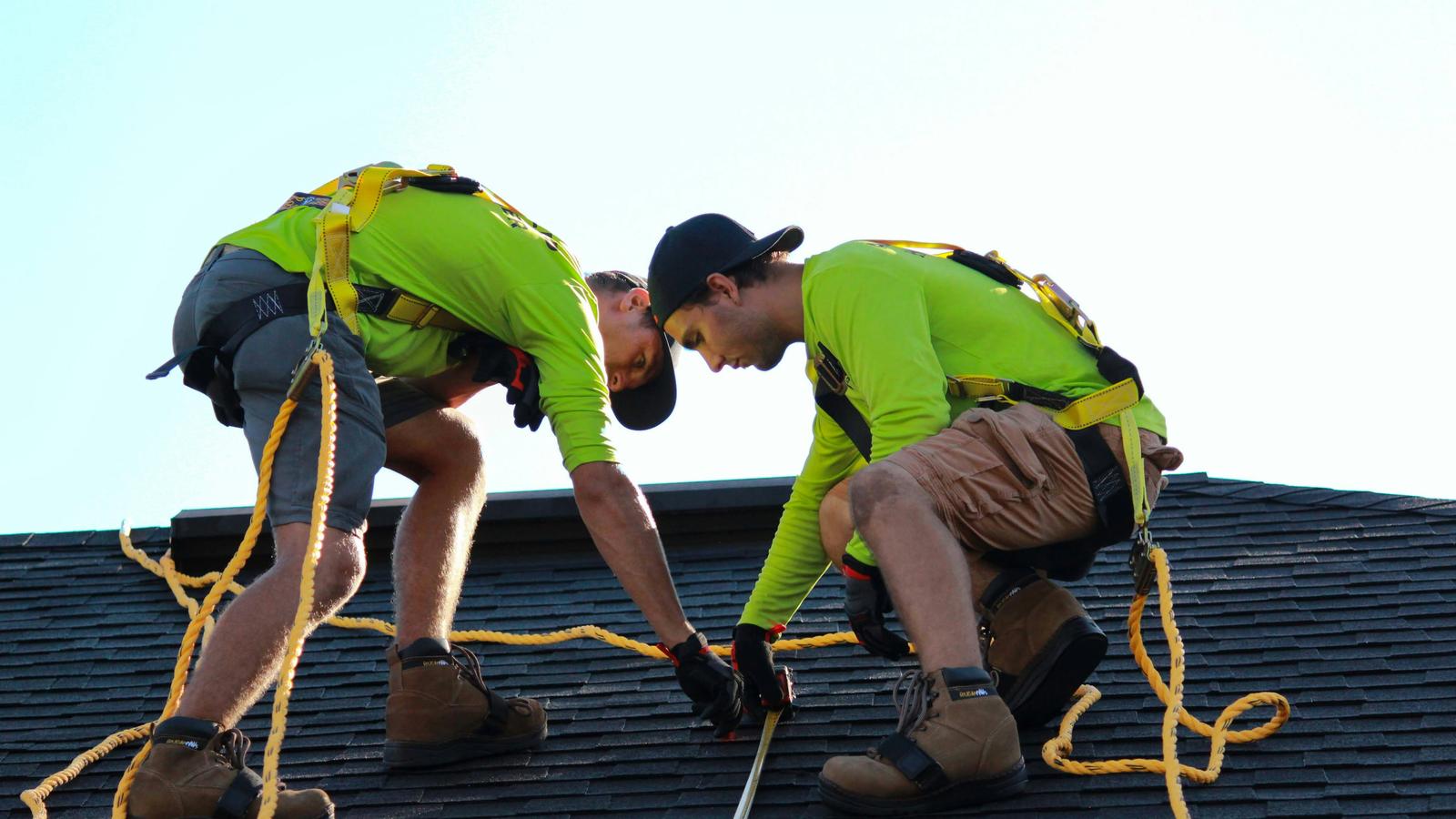
Proper installation is crucial for the effectiveness of any roofing system. The 2025 FORTIFIED standards highlight advanced installation techniques, including the use of starter strips and drip edges, to ensure that all components of the roof are securely fastened and aligned to prevent water penetration.
4. Comprehensive Inspection Protocols
Routine inspections are vital to maintaining a roof’s integrity. The new standards incorporate comprehensive inspection protocols to identify potential vulnerabilities before they become major issues. This proactive approach helps homeowners address weak spots that could be exacerbated by wind-driven rain.
Benefits of Adhering to the 2025 FORTIFIED Standards
Increased Durability and Lifespan
By adhering to these standards, homeowners can expect increased durability and a longer lifespan for their roofing systems. The protective measures against wind-driven rain significantly reduce the likelihood of water damage and structural deterioration.
Enhanced Safety and Peace of Mind
A robust roof offers enhanced safety for you and your family. Knowing that your home is equipped to handle severe weather conditions provides peace of mind, particularly during storm seasons.
Potential Insurance Benefits
Many insurance companies recognize the value of the FORTIFIED standards and may offer discounts or incentives to homeowners who adhere to them. This can result in substantial savings on your insurance premiums over time.
Conclusion
The 2025 FORTIFIED standards represent a significant advancement in roofing technology and strategy, particularly concerning wind-driven rain. By understanding and implementing these standards, homeowners can enhance their roofs’ resilience, ensuring long-term protection against extreme weather conditions. For more information on how these standards can be applied to your home, Contact AC INC. Roofing, your trusted partner in roofing solutions.
Stay safe and secure with a roof that’s built to last!