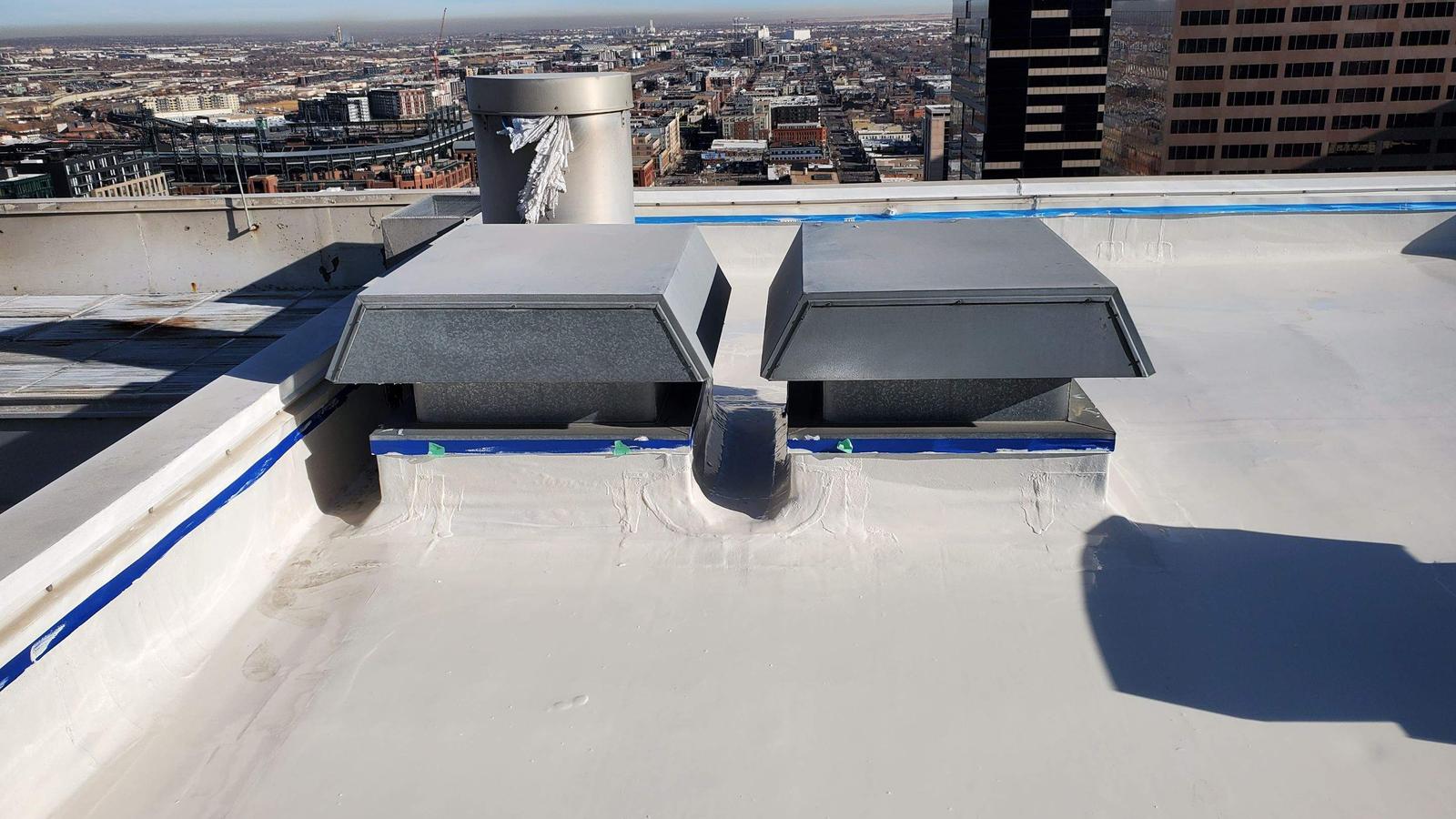
TPO commercial roofing Denver property owners choose is popular for one simple reason: it can deliver a durable, reflective, low-slope roofing system that balances cost, energy performance, and repairability in a climate that sees intense sun, hail, snow, and sudden temperature swings. If you manage an office, retail center, warehouse, multifamily building, or light-industrial property, understanding where TPO fits—and where another system may be better—can help you avoid premature repairs, insulation problems, and insurance headaches later.
What Is TPO Roofing?
TPO stands for thermoplastic polyolefin. It is a single-ply roofing membrane commonly installed on low-slope and flat commercial roofs. The membrane is rolled out in large sheets, fastened or adhered to the roof assembly, and then heat-welded at the seams.
That heat-welded seam is one of TPO's biggest selling points. When installed correctly, seams form a strong bond that helps resist water intrusion better than systems that rely more heavily on adhesives or asphalt-based lap construction.
A typical TPO roof assembly may include:
- Roof deck
- Vapor or moisture-control layer where needed
- Insulation board
- Cover board in many assemblies
- TPO membrane
- Flashings and edge metal
For many commercial owners, TPO is considered during a full roof replacement rather than a minor repair. If your building has broad low-slope sections and aging membrane, TPO often ends up on the shortlist alongside modified bitumen and roof coatings.
Why TPO Makes Sense in Denver
Denver roofs deal with a little of everything. Strong UV exposure, summer hail, freeze-thaw cycles, ponding risk in some low areas, and winter snow loads all affect how a roofing system performs over time.
High UV and Heat Exposure
Denver's elevation and sun exposure can be hard on roofing materials. White and light-colored TPO membranes reflect more sunlight than many darker systems, which can help reduce rooftop heat buildup. That can benefit top-floor comfort and may improve cooling efficiency, especially on larger buildings with significant roof surface area.
Sudden Weather Swings
A roof in the Front Range may see warm sun one day and freezing temperatures the next. TPO's flexibility and welded seams make it a strong candidate for buildings that need a watertight membrane system that can handle seasonal movement when properly detailed.
Hail Alley Considerations
Denver sits in a region where hail damage is a real planning issue, not a rare event. TPO can perform well, but impact resistance depends on the full assembly—not just the membrane itself. Cover board choice, insulation type, membrane thickness, and attachment method all matter.
If your property has been through recent storms, a documented inspection matters before deciding on repairs or replacement. Our hail-damage service is built around the kind of roof documentation owners and carriers usually need.
Main Benefits of TPO Commercial Roofing
TPO is not the right answer for every building, but it offers several practical advantages.
1. Energy Efficiency
A reflective TPO membrane can reduce heat absorption compared with darker roof systems. On buildings with large roof footprints, that can help lower cooling demand during hot months. Energy savings vary based on insulation levels, roof color, HVAC design, and occupancy, but reflectivity is a real reason many owners consider TPO.
2. Strong Seam Performance
The heat-welded seams on TPO are a major advantage when workmanship is good. Seams are often the most vulnerable part of any membrane roof, so consistent welding and proper detail work at penetrations, curbs, drains, and parapet transitions are critical.
In practical terms, a well-installed TPO roof can provide:
- Reliable seam integrity
- Good resistance to water infiltration
- Straightforward repair options when damage is isolated
- Cleaner tie-ins around rooftop equipment and penetrations
3. Competitive Installed Cost
TPO is often viewed as a cost-effective option for low-slope commercial roof replacement. It usually lands in a middle ground: more substantial than a coating-only approach, while often comparing favorably with some other full replacement systems.
Actual cost depends on:
- Roof size and layout
- Tear-off requirements
- Insulation thickness and code upgrades
- Number of penetrations and curbs
- Edge metal and flashing scope
- Access, staging, and occupancy constraints
- Membrane thickness and attachment method
If you are comparing systems, it helps to review full-scope replacement costs rather than only membrane pricing. Our pricing page is a good place to start when budgeting for commercial roof work.
4. Broad Commercial Use Cases
TPO works well on many common building types, including:
- Retail centers
- Office buildings
- Warehouses
- Multifamily properties
- Churches and schools
- Light-industrial facilities
For owners managing mixed portfolios, TPO is often attractive because it is widely specified, widely understood, and serviceable over time.
What TPO Roofing Costs in Denver
The cost of TPO commercial roofing in Denver varies widely based on the roof assembly and project conditions. A small, simple roof with minimal tear-off and easy access will price very differently than a large occupied facility with multiple rooftop units, wet insulation, drainage corrections, and edge-detail upgrades.
In most cases, you should expect pricing to be driven by the full system rather than the membrane alone. The biggest cost drivers are usually:
- Whether the existing roof can be recovered or must be torn off
- How much wet insulation or damaged substrate is present
- Required insulation upgrades for current code
- Membrane thickness and specification level
- Number of details, penetrations, skylights, and equipment curbs
- Drainage improvements needed before installation
- Whether storm damage documentation is part of an insurance claim
The best way to compare TPO against another option is to look at lifecycle fit, not just first cost. A cheaper system that needs more frequent repair or is a poor match for the building can cost more over time.
Best Uses for TPO Roofing
TPO is a smart choice when the building and owner goals line up with the system's strengths.
TPO Is Often a Good Fit When:
- The roof is low-slope or flat
- You want a full membrane replacement, not just a short-term surface treatment
- Reflectivity and energy performance matter
- The roof has multiple penetrations that benefit from welded flashing details
- You need a system that is commonly accepted in commercial reroof specifications
- You want a balance of performance and budget
TPO May Be Less Ideal When:
- The existing roof is a good candidate for a restoration coating instead of full replacement
- The building has heavy rooftop traffic without proper walkway planning
- There are chronic drainage problems that have not been corrected
- Another system better matches the deck type, usage, or owner's maintenance strategy
TPO vs. Roof Coatings
A coating is not the same thing as a new roof. That distinction matters.
Coatings can be a good option when the existing roof is still structurally sound, seams and substrate are stable, and the goal is to extend service life rather than replace the assembly. They can lower upfront cost and reduce tear-off disruption.
Choose TPO over a coating when:
- The current roof has widespread deterioration
- Seams, flashings, or substrate are failing in multiple areas
- Wet insulation is present
- Hail or age damage is extensive
- You need a true replacement system for long-term planning
Choose a coating when:
- The roof is still a viable candidate for restoration
- The goal is service-life extension with less disruption
- Budget timing favors restoration over immediate replacement
An inspection is the only reliable way to know which category your roof falls into. Commercial owners can start with our commercial roofing services to compare options based on actual roof condition.
TPO vs. Modified Bitumen
Modified bitumen remains a solid option for many low-slope roofs, especially where a multi-layer asphalt-based system is preferred. It has a long track record and can be a good fit depending on traffic, building use, and existing conditions.
TPO often has the edge when:
- Reflectivity is a priority
- You want heat-welded seams
- The project calls for a lighter single-ply system
- Simpler detailing around some penetrations is desirable
Modified bitumen may make more sense when:
- The owner prefers a multi-ply roof assembly
- The roof sees conditions where that system is a better functional match
- Existing roof conditions favor that approach during replacement
This is less about one system being universally better and more about matching the roof system to the building, climate exposure, traffic level, and ownership goals.
Installation Details That Matter Most
The difference between a TPO roof that performs and one that causes trouble often comes down to installation quality.
Key details include:
- Proper attachment method for wind and building conditions
- Dry, sound substrate preparation
- Correct insulation layout and fastening
- Quality heat-welded seams
- Well-executed flashing at parapets, drains, scuppers, curbs, and penetrations
- Edge metal integration
- Drainage correction where low spots create chronic ponding
In Denver and across the Front Range, storm exposure makes detail work even more important. A roof can look acceptable from the ground and still have vulnerable seams, punctures, or flashing weaknesses that show up during the next major weather event.
Maintenance Needs for TPO Roofs
TPO is relatively straightforward to maintain, but it is not maintenance-free.
A practical maintenance plan should include:
- Scheduled roof inspections, typically after winter and after major hail or wind events
- Cleaning debris from drains and scuppers
- Checking seams, flashings, and rooftop equipment curbs
- Watching for punctures from service traffic or dropped tools
- Prompt repair of isolated damage before water reaches insulation
For property managers, the biggest mistake is often waiting until an interior leak appears. By the time water shows inside, insulation and substrate damage may already be broader than expected.
If you are dealing with isolated issues rather than full replacement, review roof repair pricing to get a sense of next-step planning.
How to Know if TPO Is Right for Your Building
The right decision usually comes down to four questions:
- Is your current roof a candidate for repair, coating, or full replacement?
- Does your building benefit from a reflective single-ply system?
- Are drainage, hail exposure, and rooftop traffic being addressed realistically?
- Will the installation details and roof assembly be specified for Denver conditions—not just copied from a generic template?
For some properties, TPO is the best balance of durability, efficiency, and cost. For others, a coating or modified bitumen system may be the smarter investment.
Next Step
If you are weighing TPO commercial roofing Denver options for your property, the next move is a roof inspection that looks at membrane condition, insulation, drainage, storm history, and whether restoration or replacement makes more sense. AC INC Roofing provides practical recommendations for commercial owners across the Front Range. Request a free inspection or estimate through our contact page.