Colorado’s Front Range winters bring freeze-thaw cycles, heavy snow, and big temperature swings. That mix often leads to ice dams—ridges of ice that form along roof edges, forcing meltwater back under shingles and into your home. The most reliable way to prevent them is to reduce heat loss into the attic and keep roof temperatures even with balanced ventilation.
This guide explains how insulation, air sealing, and roofing ventilation work together to stop ice dams—and how AC INC. Roofing can help protect your home.
What causes ice dams on Colorado roofs
- Warm air leaks from the house into the attic, warming the underside of the roof deck.
- Snow on the warm roof melts and runs down to the colder eaves.
- Water refreezes at the eaves, forming an ice “dam.” More meltwater pools behind it and can penetrate under shingles.
- Contributing factors: inadequate attic insulation, blocked or missing soffit/ridge vents, recessed lights or attic hatches leaking heat, complex rooflines and north-facing slopes, and packed gutters.
Common warning signs
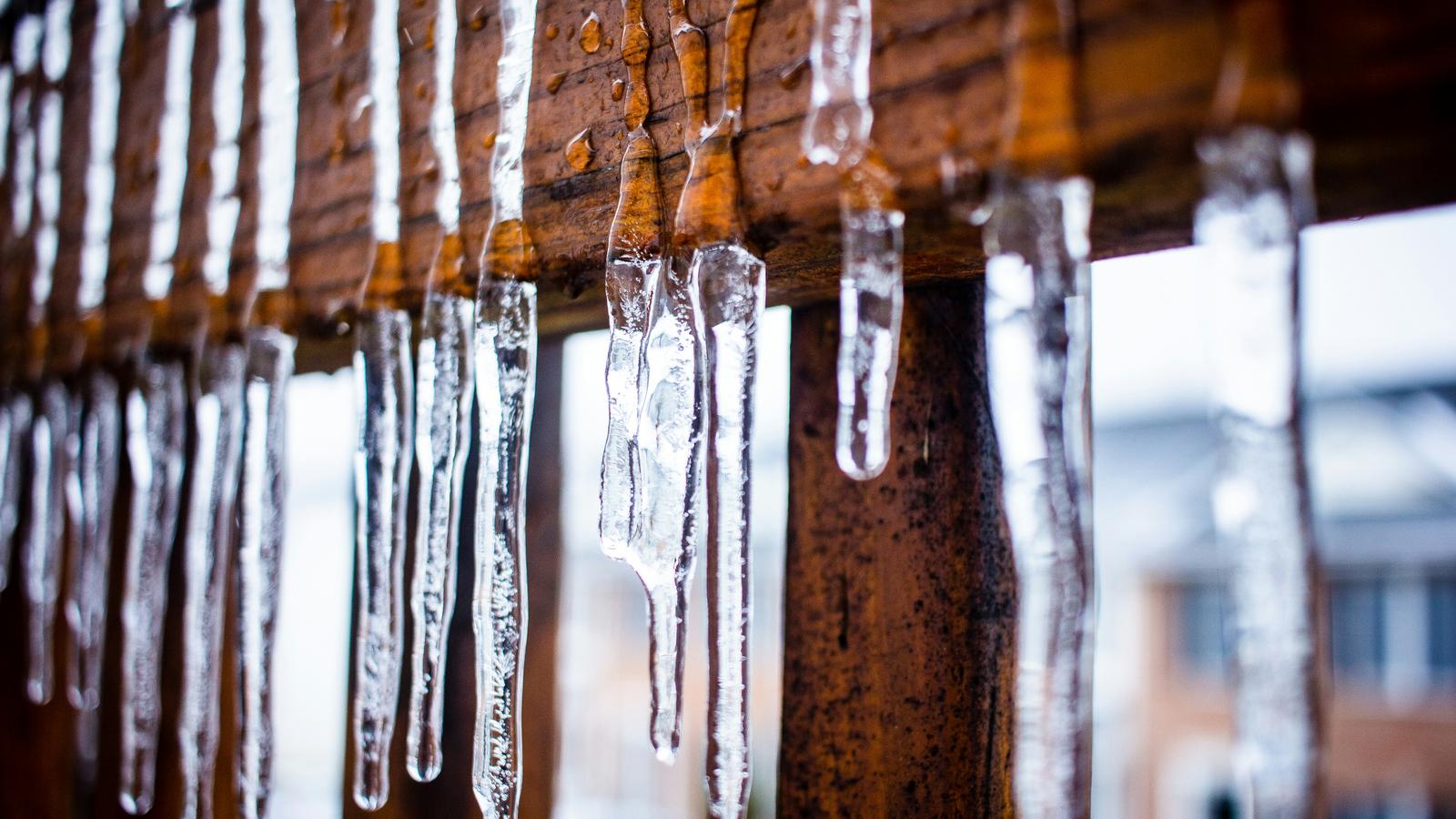
- Icicles, especially thick ones along eaves or gutters
- Water stains on ceilings or exterior wall tops
- Peeling paint near soffits or in upper-floor rooms
- Wet attic insulation or frosty roof deck in cold snaps
- Shingles lifting or drip edge/gutter ice buildup after storms
The three-part fix: air seal, insulate, ventilate
1) Air sealing (stop the heat leaks first)
- Typical bypasses: attic hatches, can lights, bath fan housings, plumbing and wiring penetrations, chimney chases, and top plates.
- Seal gaps and penetrations with appropriate fire-rated sealants and covers where required; duct bath fans outdoors.
- Why it matters: Air sealing prevents warm, moist air from entering the attic, reducing both ice dams and winter condensation.
2) Attic insulation (increase R-value)
- Target levels: In cold climates similar to Denver (IECC Climate Zone 5), many homes benefit from roughly R-49 to R-60 attic insulation. Consult local code and a qualified insulation professional for your exact home.
- Materials: Blown-in cellulose or fiberglass for open attics; properly installed batts where framing allows; spray foam in select assemblies.
- Even coverage: Level insulation to avoid “hot spots.” Keep insulation clear of eave vents with proper vent chutes (baffles) so intake air can flow.
3) Balanced roof ventilation (keep the roof deck cold)
- Combine intake and exhaust: Continuous soffit vents (intake) plus ridge vents (exhaust) are ideal on many roofs. Alternatives include roof louvers or off-ridge vents where ridge vents aren’t feasible.
- Balance is key: Follow manufacturer guidance and local code. A commonly referenced rule is roughly equal intake and exhaust and, where allowed by code, about 1 square foot of net free ventilation area per 300 square feet of attic floor with a balanced system (or 1:150 in some conditions). Actual needs vary by home and climate details.
- Clear pathways: Make sure soffit vents aren’t blocked by insulation; use baffles to maintain an air channel from soffit to ridge.
Roofing upgrades that protect against leaks
While insulation and ventilation reduce ice formation, smart roofing details limit damage if ice does form.
- Ice & water barrier at eaves and valleys: A self-adhered underlayment at the roof edges and leak-prone areas helps resist wind-driven water and ice-dam backups.
- High-performance shingles and systems: AC INC. Roofing installs premium asphalt and impact-resistant shingles, metal and tile systems, and offers Atlas shingle systems. These stand up better to Colorado hail and freeze-thaw stress.
- Fortified options: As a Fortified Roofing Solutions certified contractor, we can build resilient roof systems designed to withstand 130 mph winds, EF-2 tornadoes, and 2″ hail—while incorporating superior eave and edge details for water management.
- Professional flashing and drip edge details: Correctly integrated flashing and drip edge help route meltwater safely into gutters instead of behind fascia.
How AC INC. Roofing helps Colorado homeowners
Based in Denver and serving the Front Range and Cheyenne, WY, AC INC. Roofing is a licensed, insured contractor rated 5.0 stars on Google. We combine building-science best practices with top-tier roofing credentials to diagnose and fix ice-dam causes.
- Free roof inspections by HAAG-certified inspectors: We evaluate your roof covering, eaves, and ventilation components for signs of heat loss, moisture, and past ice-dam damage.
- Detailed documentation and insurance support: If ice dams have caused interior leaks or roof damage, our team provides thorough photos, reports, and claim advocacy to streamline your insurance process.
- Ventilation improvements and roof repairs: From adding ridge ventilation to correcting intake at soffits and updating flashing and underlayments, we tailor solutions to your roof system and local code.
- Resilient roof replacements when needed: As an Atlas Pro+ Platinum and GAF Certified contractor, we offer robust system options and strong manufacturer-backed warranties (Atlas warranties up to 50 years; GAF System Plus available).
- Directorii certified: Your project is backed by a consumer guarantee up to $20,000.
Important Colorado-specific considerations
- Elevation and solar exposure: High-altitude sun and fast temperature swings mean roofs can melt and refreeze multiple times per day. Balanced ventilation is crucial to avoid warm-cold roof patches.
- Hail + snow load: Impact-resistant shingles and well-secured flashing help withstand hail, while proper ventilation and insulation reduce uneven snow melt that starts ice dams.
- Complex roofs: Valleys, dormers, and north-facing slopes need special attention to underlayment and ventilation layout.
What you can do now
- Safely remove excess snow with a roof rake from the ground after large storms; avoid chiseling or using salt on shingles.
- Keep gutters and downspouts clear for meltwater to flow.
- Inspect attic access doors for weatherstripping and insulation.
- Schedule a professional roof and ventilation assessment before peak winter.
Common mistakes to avoid
- Adding insulation without air sealing first—this traps warm, moist air in the attic.
- Blocking soffit vents with insulation—use proper baffles.
- Over-relying on powered attic fans—these can depressurize the house and pull warm air into the attic if not designed carefully.
- Assuming new shingles alone will stop ice dams—root causes are heat loss and airflow.
FAQ
Do heat cables solve ice dams?
They can create melt pathways on small problem areas but don’t fix the underlying heat loss or ventilation issues.
Can AC INC. Roofing help with insulation?
We focus on roofing, ventilation, and weatherproofing components. For attic insulation and interior air sealing, consult a qualified insulation contractor. We’ll coordinate roof-side ventilation and waterproofing details to complement that work.
Is ice-dam damage covered by insurance?
Policies vary. Many carriers cover sudden and accidental water damage. We document roof conditions and assist with claims when storm or roof damage is involved.
When should I upgrade?
Fall and early winter are ideal, but we assess and repair year-round and after major storms.
Why homeowners trust AC INC. Roofing
- Colorado’s first company to reach Master HAAG Certification
- Atlas Pro+ Platinum and GAF Certified contractor
- Directorii certified (customer guarantee up to $20,000)
- Member of RSRA, CRA, NRCA, and APA
- Licensed, insured, and local—6145 Broadway, Suite 25, Denver, CO 80216
Ready to prevent ice dams and protect your home through every Front Range winter? Our HAAG-certified inspectors will evaluate your roof, ventilation, and eave details and provide a clear plan.