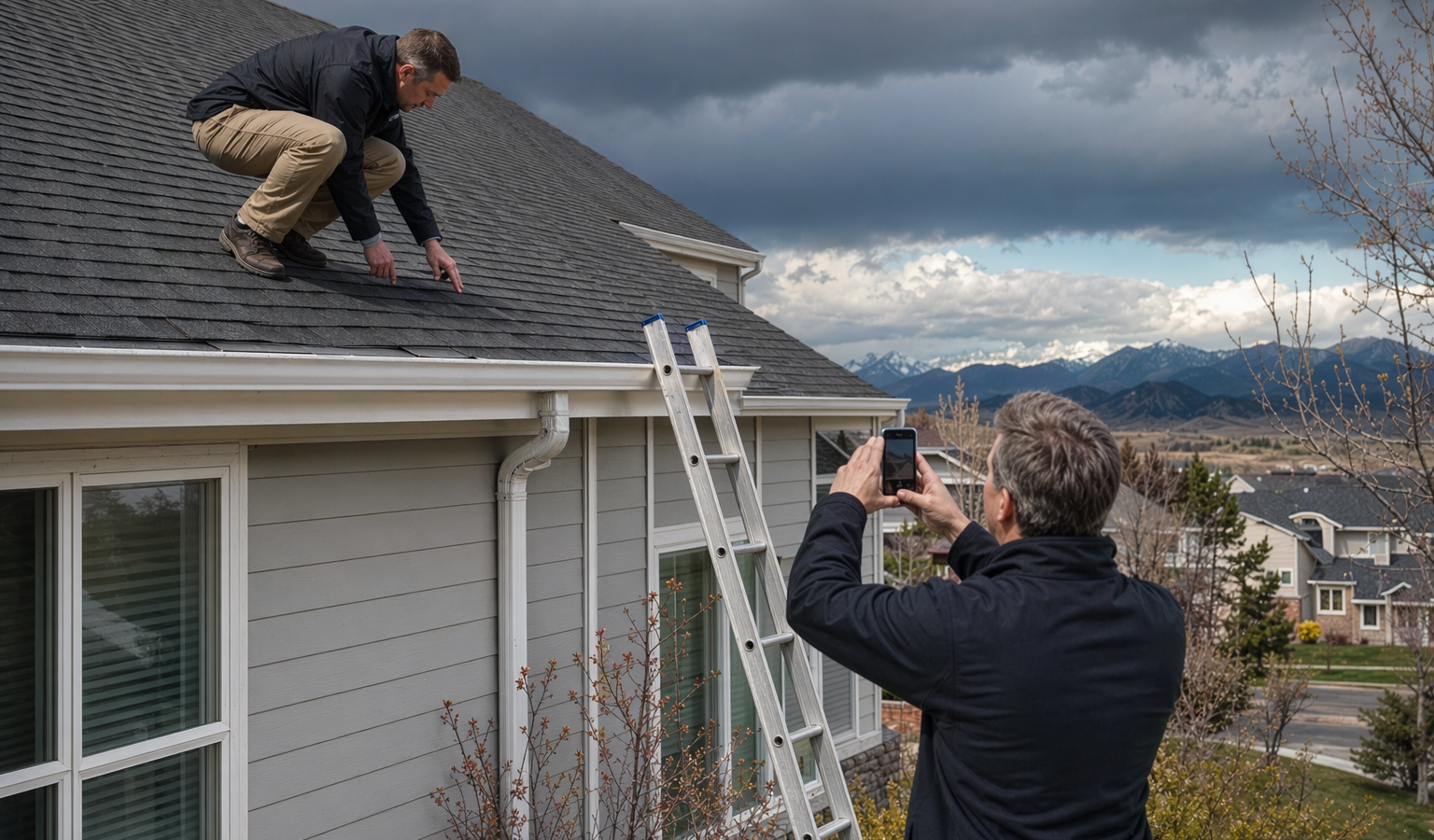
Spring prep for Colorado hail season starts with one goal: find weak spots before the first severe storm does. Along the Front Range, hail can damage shingles, flashing, gutters, siding, and roof-mounted equipment in a matter of minutes. A smart spring plan helps homeowners and property managers reduce preventable damage, document roof condition before storm season, and move faster if a hail damage inspection or insurance claim becomes necessary.
Why spring roof prep matters in Colorado
Colorado sits in one of the most active hail regions in the country, which is why many property owners along the Front Range hear the term "Hail Alley." Spring is the right time to prepare because winter can leave behind small issues that are easy to miss:
- Loose or lifted shingles
- Worn sealant around flashing and penetrations
- Gutters clogged with winter debris
- Minor leaks from ice, snow, or freeze-thaw cycles
- Older impact marks that were never fully documented
When hail hits an already worn roof, the damage is often worse. A roof that is in good condition going into storm season is easier to inspect, easier to document, and easier to repair if a storm does cause damage.
What to inspect before hail season begins
A spring inspection should focus on the parts of the building envelope most likely to show wear or storm vulnerability.
Roof covering
Look for signs that shingles or other roofing materials are aging or losing integrity:
- Missing shingles
- Cracked, brittle, or curling shingles
- Granule loss collecting in gutters or at downspout exits
- Exposed nail heads
- Soft spots or visible sagging
On commercial roofs, common concerns include membrane punctures, open seams, drainage problems, and flashing separation. If you manage a commercial property, a seasonal inspection is one of the simplest ways to avoid larger repair issues later. Learn more about our commercial roofing services.
Flashing and roof penetrations
Hail and wind often exploit weak areas around:
- Chimneys
- Skylights
- Plumbing vents
- Furnace or exhaust vents
- Wall-to-roof transitions
These areas may not look dramatic from the ground, but failed sealant or loose flashing can let water in long before a major leak appears inside.
Gutters and downspouts
Your gutter system matters more than many owners realize. If gutters are full of debris or pulling away from the fascia, heavy spring rain can back water up under roofing materials or dump it too close to the foundation.
Check for:
- Clogs from leaves, needles, and shingle granules
- Loose spikes or brackets
- Separated joints
- Dents from prior hail damage
- Poor drainage away from the building
Siding, windows, and exterior accessories
Hail does not stop at the roofline. During spring prep, inspect:
- Siding for cracks, chips, or impact marks
- Window screens for tears or dents
- Painted trim for fresh chips or bruising
- Garage doors, AC fins, and metal accessories for impact evidence
These surfaces can help establish the direction and intensity of a storm later if you need storm documentation.
The value of a pre-season roof inspection
One of the best steps in spring prep for Colorado hail season is scheduling a professional roof inspection before the heavy storms begin. This is especially helpful if:
- Your roof is several years old
- You had a storm nearby last year but never had the roof checked
- You noticed minor leaks over winter
- You are buying or selling a home
- You manage multiple buildings and need baseline condition records
A professional inspection can identify existing wear versus new storm damage, which becomes important during an insurance claim. At AC INC. Roofing, our HAAG Certified Master Inspectors document damage in a way insurance carriers expect to see, which can make the post-storm process more straightforward. If you suspect prior or recent impact damage, see our hail damage inspection services.
Simple spring maintenance that helps before hail season
Not every spring task requires a full roof replacement. In many cases, a few preventive steps can reduce risk and extend the life of the current roof.
Clear drainage paths
Make sure water can move off the roof and away from the structure:
- Clean gutters and downspouts
- Remove branches and debris from valleys
- Check splash blocks or extensions at downspout outlets
- Confirm that low-slope roof drains are open
Trim overhanging tree limbs
Branches can scrape roofing materials, drop debris into gutters, and break during spring wind or hail storms. Trimming them back helps limit both impact and moisture issues.
Address minor repairs early
A small issue in April can become a larger leak in June. Common spring repairs include:
- Re-securing lifted shingles
- Replacing damaged pipe jack flashing
- Sealing vulnerable penetrations
- Reattaching loose gutter sections
- Repairing localized roof damage before water gets in
If you're weighing whether a repair makes sense or if a larger project is more practical, our roof repair pricing page and general roofing pricing information can help you plan.
How to document your property before a storm
Good documentation makes a difference after hail season starts. The goal is not to turn owners into inspectors. It is to create a basic pre-storm record.
Create a simple baseline file
Before severe weather arrives, gather:
- Date-stamped photos of each roof slope visible from the ground
- Photos of gutters, downspouts, siding, windows, and AC units
- Notes about any known existing damage or past repairs
- Copies of prior inspection reports or repair invoices
- Your insurance policy information and claim contact details
Why this helps with a hail damage claim
After a storm, insurance carriers often need to determine what damage is new, what is cosmetic, and what may have existed before the event. Clear before-and-after documentation can speed up that discussion and reduce confusion.
Warning signs after the first hailstorm
Even with good spring prep, Colorado hail season can still cause sudden damage. After a storm, look for signs such as:
- Fresh dents on gutters, downspouts, or metal flashing
- Shingle bruising or impact marks
- Granules collecting heavily below downspouts
- Torn or missing shingles from wind-driven hail
- New water stains on ceilings or walls
- Damage to window screens, exterior paint, or soft metals
Do not rely only on what you can see from the driveway. Some hail damage is subtle but still significant enough to shorten roof life or justify repair or roof replacement.
When repairs are enough and when replacement is smarter
Spring prep sometimes reveals a roof that simply needs maintenance. Other times, it uncovers broader wear that leaves the property vulnerable throughout hail season.
Repairs may be appropriate when damage is localized and the rest of the roof system is still in good condition. Roof replacement may be the better route when:
- Damage is spread across multiple slopes
- Shingles are brittle or nearing the end of service life
- There are repeated leaks in different areas
- Prior repairs are extensive or failing
- A storm creates functional damage that affects roof performance
For homeowners, our residential roofing services cover inspections, repairs, and replacement options tailored to storm-prone conditions.
Tips for homeowners and commercial property managers
For homeowners
- Schedule an inspection before peak hail season
- Keep attic areas monitored for leaks or moisture signs
- Photograph the exterior once each spring
- Do not wait for an interior leak before calling a roofer
For commercial properties
- Maintain inspection records for each building
- Check rooftop units, curbs, drains, and membrane seams
- Review tenant complaint procedures for leak reporting
- Have a storm-response contact ready before severe weather begins
Common mistakes to avoid in hail season prep
A few missteps can make storm season harder than it needs to be:
- Waiting until after a major storm to learn the roof's condition
- Assuming no leak means no damage
- Ignoring gutters and siding during inspections
- Letting minor winter damage sit through spring rains
- Starting an insurance claim before getting clear roof documentation
The better approach is simple: inspect early, handle small repairs quickly, and know who to call if a storm hits.
Next step
If you want a clear picture of your roof before hail season ramps up, AC INC. Roofing can help with a professional inspection for homes and commercial properties across Colorado and Wyoming. Contact us to schedule a free inspection or estimate through our contact page.