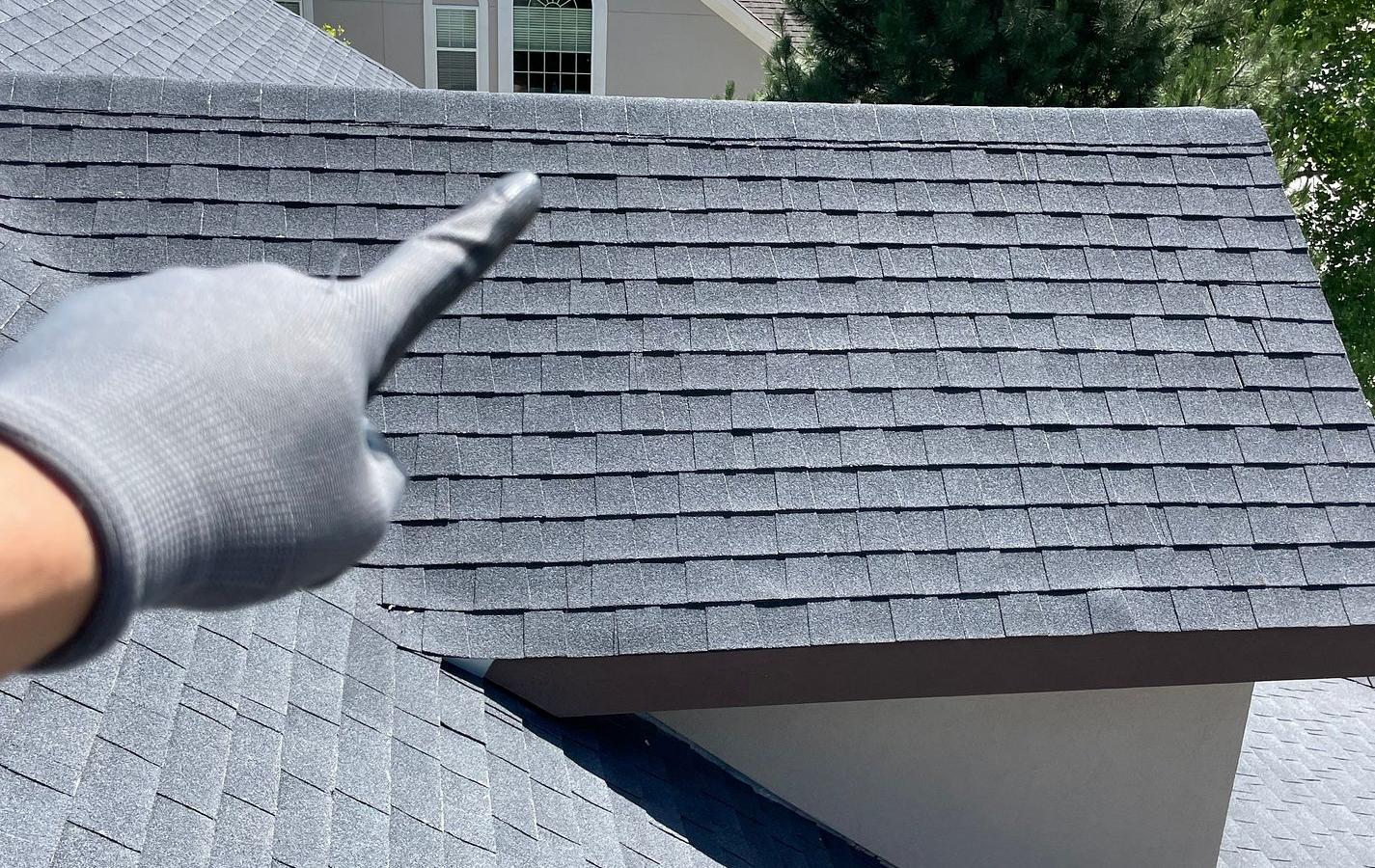
Asphalt shingles are designed to last for years, but asphalt shingles failing before expected is something we see often after hail, wind, poor attic ventilation, installation mistakes, or neglected maintenance. The earlier you spot the warning signs, the better your chances of avoiding interior leaks, decking damage, and a larger roof replacement or insurance claim problem.
Why shingles can fail earlier than they should
An asphalt shingle roof does not usually fail for just one reason. In Colorado and Wyoming, early failure often comes from a combination of weather exposure and underlying roof system issues.
Common causes include:
- Hail impact that loosens granules or bruises the mat
- High winds that lift, crease, or break shingle seals
- Extreme temperature swings that expand and contract roofing materials
- Poor attic ventilation that traps heat and moisture
- Improper installation, including incorrect nail placement
- Layered repairs that do not address the root cause
- Aging flashing, pipe boots, or sealants that let water in around otherwise decent shingles
On the Front Range and in places like Cheyenne, Laramie, and Pine Bluffs, hail and wind are major drivers of premature roof wear. Even when a roof looks acceptable from the ground, the damage can be enough to shorten its service life.
Top signs your asphalt shingles are failing before expected
1. Granule loss is showing up in gutters or downspouts
A small amount of granule shedding is normal as shingles age. What is not normal is heavy buildup in gutters, around downspout outlets, or at the bottom of roof valleys.
Granules matter because they help protect the asphalt layer from UV exposure. When granule loss becomes excessive, shingles dry out faster, become more brittle, and are more vulnerable to cracking and leaks.
Look for:
- Dark, bare-looking spots on shingles
- Gritty sediment in gutters
- Uneven color patches across roof slopes
- Faster wear on the sides that take the most sun or storm impact
If your roof recently went through a hailstorm, granule loss may be one of the first signs that a hail damage inspection is worth scheduling.
2. Shingles are curling, cupping, or clawing
When shingles start to change shape, they are usually telling you the roof system is under stress.
What these patterns mean
- Curling: edges begin to turn upward
- Cupping: the centers dip while edges rise
- Clawing: shingle tabs bend downward
These conditions can be tied to aging, poor ventilation, moisture buildup, or manufacturing and installation issues. They also make shingles easier for wind to catch, which can accelerate damage quickly.
A few isolated shingles may be repairable. Widespread curling or clawing usually points to broader roof deterioration.
3. Tabs are cracked, split, or missing
Cracked shingles often show up after repeated freeze-thaw cycles, strong sun exposure, or wind events. Missing tabs are even more urgent because they expose the underlayment and create direct entry points for water.
Pay attention to:
- Vertical cracks through the shingle tabs
- Corners broken off after wind
- Random missing shingles after storms
- Creased tabs that were lifted and folded back by wind
This type of damage can sometimes support an insurance claim, especially if it followed a recent storm. Good documentation matters. That is one reason many property owners prefer an inspection from a contractor who understands how storm damage is evaluated.
4. Hail bruising is present even if leaks have not started
One of the most misunderstood roof problems is hail bruising. A roof can be damaged by hail without showing obvious leaks right away.
A bruised shingle may look slightly darker, softer, or dented where the impact broke down the mat below the granules. Left alone, those impact points often age faster than the surrounding roof field.
Why this matters
- Damage may not be visible from the ground
- Leaks can take time to develop
- Insurance carriers often want clear photo documentation and test-area notes
- A roof can lose years of service life before interior damage appears
If your property has been through a recent storm, a professional inspection is the safest way to confirm whether the shingles are truly sound or already compromised.
5. The roof looks uneven or patchy
A healthy asphalt shingle roof should have a relatively consistent appearance. If one slope looks blotchy, wavy, sagged, or patched together, there may be more going on than cosmetic wear.
Possible underlying issues include:
- Moisture trapped beneath shingles
- Decking movement or deterioration
- Previous repairs that do not match or seal correctly
- Sections of accelerated weathering from sun, wind, or hail
Uneven appearance is especially important on commercial and multi-family properties where maintenance may have happened in stages over time. If you manage a larger building, it may make sense to review both the roof covering and related systems through our commercial roofing services.
6. Repaired areas keep failing
A roof that needs the same repair over and over is often nearing the point where spot fixes no longer make financial sense. Repeated leaks around valleys, penetrations, chimneys, skylights, or wall transitions can indicate that the surrounding shingles are no longer sealing and shedding water correctly.
Signs a repair-only approach may be running out of road:
- The same interior stain reappears
- Sealant patches are cracking or separating
- New leaks show up near old repair locations
- Several roof accessories are failing at once
Repairs still have an important place, especially after isolated storm damage. But if the roof has multiple weak areas, it may be time to compare repair options with broader replacement planning.
7. Moss, algae, or trapped moisture is becoming persistent
Not every dark streak means the roof is failing. But ongoing biological growth or moisture retention can be a warning sign that the roof is not drying properly.
That can happen because of:
- Shaded roof sections
- Poor ventilation
- Debris collecting in valleys
- Lifted shingles that hold moisture
- Drainage issues tied to gutters or roof layout
Persistent moisture speeds up shingle deterioration and can eventually affect the underlayment, decking, fascia, and even siding or gutter components.
8. Interior warning signs are starting to show up
Sometimes the clearest sign of failing shingles is not outside at all. By the time you notice stains indoors, the roof system may have been allowing water in for a while.
Watch for:
- Yellow or brown ceiling spots
- Damp attic insulation
- Musty smells in upper rooms or attic spaces
- Peeling paint near roof lines
- Light visible through attic decking in severe cases
If you see interior signs, do not wait for the next storm to confirm the problem. Water intrusion tends to spread beyond the original entry point.
When early failure points to replacement instead of repair
Not every worn roof needs full replacement immediately. But asphalt shingles failing across multiple slopes, or failing along with underlying ventilation and flashing issues, can make replacement the more practical solution.
Replacement is more likely when:
- Damage is widespread rather than isolated
- Shingles are brittle and no longer seal properly
- Storm damage affects enough of the roof area to reduce service life
- Matching materials for repair are difficult to source
- The roof has a history of recurring leaks
If you are unsure whether your roof falls into the repair or replace category, our residential roofing team can walk you through the condition of the shingles, flashing, ventilation, and other components before you decide.
What to do if you suspect shingle failure
Start with a documented inspection rather than a guess.
A smart next step is to:
- Note the age of the roof if you know it
- Take photos from the ground of visible concerns
- Check ceilings and attic areas for moisture signs
- Look in gutters for granule buildup after storms
- Review whether recent hail or wind may have contributed
- Schedule a professional inspection before a small issue becomes structural damage
For storm-related concerns, accurate documentation can help if an insurance claim becomes necessary. For wear-related concerns, it helps you plan repairs or replacement before the roof starts affecting insulation, drywall, or framing.
Why professional inspection matters in hail country
In Colorado and Wyoming, roofs often fail early because the damage is cumulative. One hail season may bruise the shingles. The next wind event may break the weakened tabs loose. Then winter moisture works its way in.
That is why a detailed roof inspection matters more than a quick glance. A trained inspector should look at the full system, including:
- Shingles and ridge materials
- Flashing and penetrations
- Valleys and transitions
- Gutters and drainage patterns
- Ventilation performance
- Signs of hail impact and wind creasing
At AC INC. Roofing, we provide roof evaluations for homeowners and property managers who need a clear, plain-spoken answer about condition, repairability, and next steps.
Next step
If you are seeing signs your asphalt shingles are failing early, schedule a free inspection or estimate before the next storm turns minor wear into active leaks. We can help document storm damage, evaluate repair versus replacement, and explain your options clearly. Contact us through our contact page or review general roofing pricing information to get started.