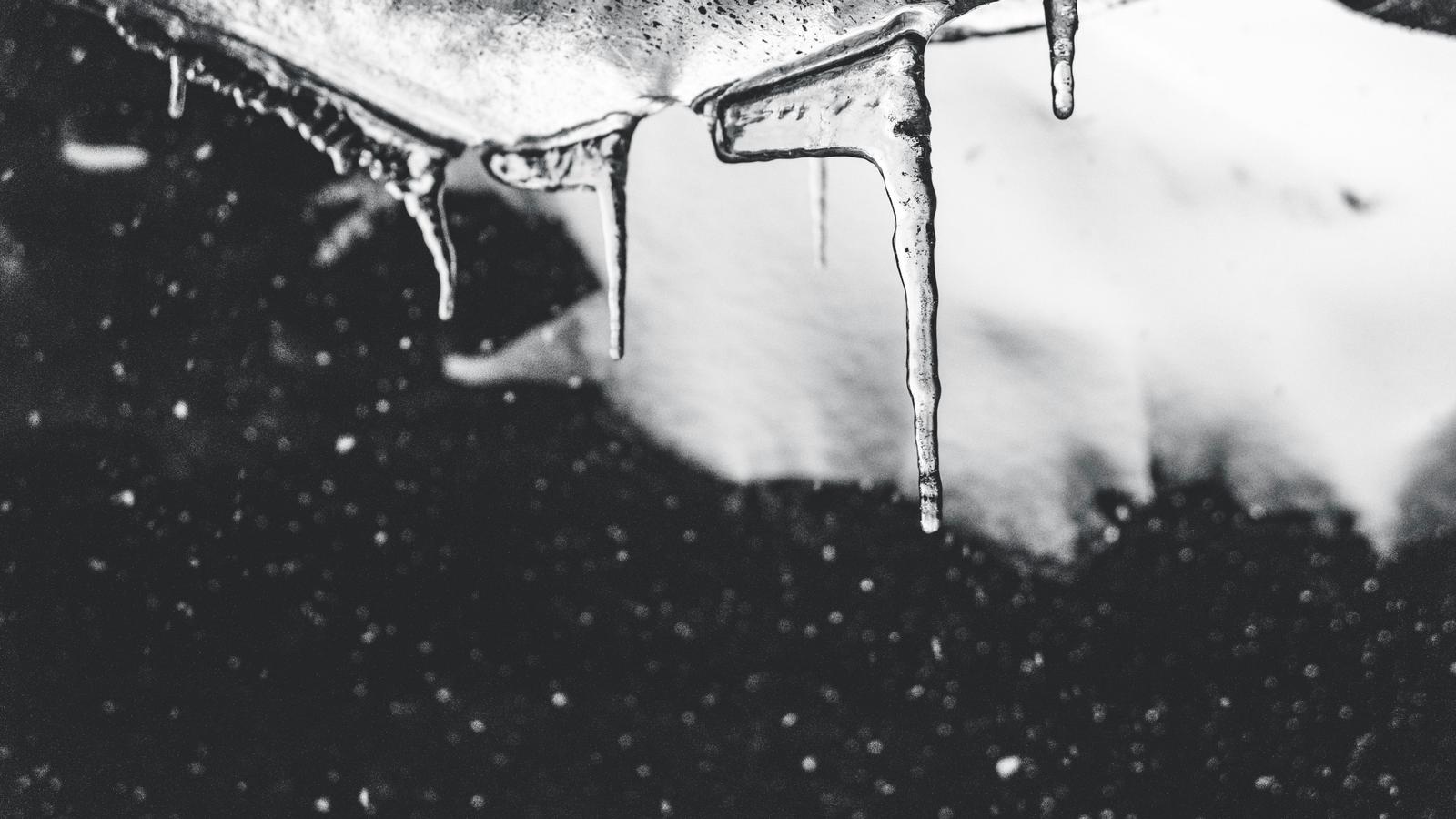
Colorado’s Front Range is notorious for daily temperature swings, chinook warm-ups, and sudden cold snaps. Those freeze-thaw cycles are hard on low-slope residential roof membranes—like TPO, EPDM, modified bitumen, and fluid-applied coatings—commonly used on modern homes, porches, garages, and additions. Knowing the early warning signs can help you avoid leaks, mold, and expensive structural repairs.
As a licensed and insured contractor serving the Denver metro area, the Front Range, and Cheyenne, AC INC. Roofing provides free roof inspections by HAAG-certified inspectors and specializes in storm damage evaluation, repairs, replacements, and roof rejuvenation.
Quick checklist: common freeze-thaw warning signs
- Intermittent leaks that appear after sunny warm-ups following a freeze
- New ceiling stains near exterior walls, chimneys, or skylight shafts
- Musty odors or peeling paint after cold nights and warm afternoons
- Blisters or bubbles in the membrane surface
- Seam separations or edge lifting, especially at corners or parapets
- Cracks, “alligatoring,” or spiderweb-like crazing in the surface
- Exposed or backed-out fasteners; tenting around fastener heads
- Ponding water that remains 48+ hours after a melt
- Granule loss or bald spots on modified bitumen cap sheets
- Tears or splits at penetrations (vents, skylight curbs, stacks)
- Split or brittle flashing around walls, scuppers, and drains
- Staining or rust at edge metal; displaced or cracked sealant lines
Why freeze-thaw damages membranes
- Micro-cracks fill with meltwater, then expand as ice forms, widening defects.
- UV and altitude accelerate aging, making materials less elastic and more brittle.
- Thermal movement stresses seams, flashings, and fasteners—especially where details are tight or under tension.
- Ice can pry at laps, drains, and penetrations, creating leaks that only show during thaws.
What each sign can mean
- Blisters/bubbles: Moisture trapped beneath the membrane or within modified bitumen plies, often worsened by sun after freezes.
- Ridging and splits: Movement of insulation joints or uneven substrates telegraph through the membrane, then split during cold snaps.
- Seam separations: Heat-welded TPO laps, EPDM taped seams, or mod-bit laps can open as ice magnifies edge stresses.
- Flashing cracks: Vertical transitions (walls, skylight curbs) lose flexibility first and will craze, split, or pull away.
- Fastener back-out: Repeated expansion/contraction loosens mechanical attachments and can tent the membrane.
- Alligatoring/crazing: Network of surface cracks indicating age-related embrittlement, accelerated by UV and freeze-thaw.
- Ponding water: Depressions deepen as insulation gets wet and compresses; standing water then speeds degradation.
- Granule loss (mod-bit): Ice scouring removes protective granules, exposing asphalt to UV and further cracking.
- Coating microcracks: Fluid-applied roofs can develop fine fissures at laps and details; water then tracks underneath.
- Interior clues: Stains that appear, fade, then return with weather swings signal temperature-dependent water entry.
Safe first steps (what to do—and what to avoid)
- Document: Take photos from the ground or a safe vantage point after a thaw.
- Don’t chip ice or hack at snow: Metal shovels and salt can gouge or chemically damage membranes.
- Avoid walking on very cold membranes: Many materials become brittle below ~40°F.
- Call a pro: A HAAG-certified inspection will determine root causes without creating more damage.
AC INC. Roofing offers free inspections by Master HAAG–certified inspectors—the first company in Colorado to reach the Master level—providing unbiased, code-aware evaluations.
How AC INC. Roofing diagnoses freeze-thaw damage
- Infrared and moisture scanning during evening cool-downs to locate wet insulation
- Detailed photo and video documentation (including drone where appropriate)
- Seam, adhesion, and fastener evaluations; targeted test cuts only when necessary
- Drainage assessment for ponding-prone areas and clogged scuppers/gutters
- Thorough reporting and support for insurance claims when storm activity contributed to damage
We are Directorii-certified (backed by up to a $20,000 customer guarantee) and active members of the RSRA, CRA, NRCA, and APA—reflecting our commitment to integrity and best practices.
Repair and restoration options we provide
- Seam repairs and reinforcement: Heat-weld (TPO), primer/tape (EPDM), or mod-bit lap restoration
- Flashing rebuilds at walls, curbs, scuppers, and drains
- Targeted patches for punctures and splits; replacement of compromised edge metal and sealants
- Drainage improvements: Clearing, re-seating drains, and recommending tapered insulation where feasible
- Fluid-applied coating restoration to lock in repairs and add weathering protection
- Roof rejuvenation to extend service life when the membrane is a good candidate
If damage is too widespread or insulation is saturated, we perform full replacements using premium systems: TPO, EPDM, Modified Bitumen, and fluid-applied coatings. As a Fortified Roofing Solutions–certified contractor, we can deliver assemblies designed to withstand 130 mph winds, EF‑2 tornado pressures, and 2″ hail—critical resilience for Front Range weather.
Note: If your property includes pitched areas, we also install asphalt and impact-resistant shingles, metal, and tile systems. We are an Atlas Pro+ Platinum and GAF Certified contractor, with enhanced warranty options available on qualifying shingle systems.
Prevention for Front Range homes
- Schedule seasonal inspections: once in fall (pre-freeze) and again in spring (post-storm)
- Keep gutters, downspouts, and scuppers clear to prevent ponding and ice dams
- Consider tapered insulation during re-roofs to eliminate chronic ponding areas
- Add walk pads along HVAC and service paths to reduce foot-traffic damage
- Use plastic snow tools if removal is necessary; leave a thin protective snow layer
- Evaluate heat cable at eaves or drains where ice damming is chronic (installed per manufacturer guidelines)
- Limit roof access during extreme cold; reschedule non-emergency service visits
Why homeowners choose AC INC. Roofing
- 5.0-star Google rating with excellent reviews
- Licensed and insured, with free inspections by HAAG-certified inspectors
- Master HAAG Certification, Directorii-certified guarantee, Atlas Pro+ Platinum, and GAF Certified
- Local expertise with Colorado’s hail, snow load, UV, and freeze-thaw conditions
- Based at 6145 Broadway, Suite 25, Denver, CO 80216; serving the Denver metro, Front Range, and Cheyenne, WY
Not sure whether you’re seeing normal wear or freeze-thaw damage? We’ll assess your roof, document conditions, and recommend the most cost-effective path—repair, restoration, or replacement—backed by clear photos and, when applicable, insurance claim support.