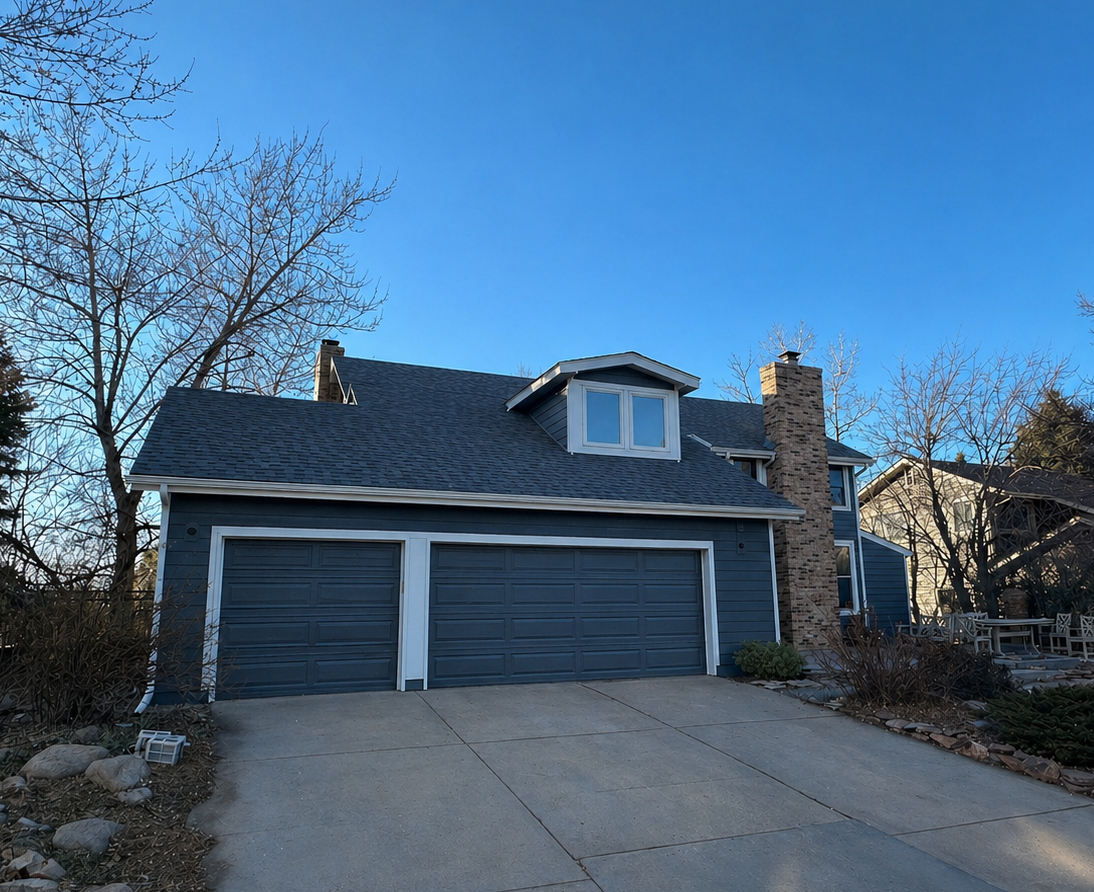
If you want to sell a home with defective shingles in Colorado, you usually can—but the roof condition will affect disclosure, buyer confidence, inspection results, and often the final price or repair negotiations. Defective shingles can look like normal aging at first, but they may point to a larger roof replacement issue, storm damage, or a known product problem. For Colorado sellers, especially along the Front Range where hail damage is common, the smartest move is to understand the roof’s actual condition before you list the property.
What counts as defective shingles?
“Defective shingles” can mean more than just an old roof. In real estate conversations, the term usually refers to shingles that are failing earlier than expected or showing abnormal wear that could lead to leaks, reduced wind resistance, or a failed home inspection.
Common signs include:
- Cracking, curling, or blistering shingles
- Granule loss beyond normal aging
- Brittle shingles that break during light handling
- Uneven appearance across roof slopes
- Exposed fiberglass mat or bald spots
- Repeated repairs in the same areas
- Leaks or water staining tied to roof failure
- Hail hits that have shortened the roof’s service life
In Colorado, sellers also have to separate true manufacturing or installation defects from storm-related damage. A buyer, inspector, or insurer may use different language, but the practical question is the same: Is the roof still serviceable, or is it nearing replacement?
Yes, you can sell the home—but the roof changes the deal
A house with defective shingles is still sellable. The real issue is how the roof condition affects the transaction.
In most cases, one of these happens:
- You repair or replace the roof before listing
- You list the home as-is and disclose the known roof condition
- You negotiate a credit, price reduction, or repair agreement after inspection
- The buyer asks you to file or continue an insurance claim for hail damage if storm damage is involved
A defective roof does not always kill a sale, but it often creates friction because buyers worry about:
- Immediate replacement cost
- Hidden leaks or decking damage
- Trouble getting homeowners insurance
- Lender requirements before closing
- Whether the problem is wear, hail damage, poor installation, or a recalled product
That is why a pre-listing roof inspection can be so valuable. A clear inspection report gives you facts before a buyer’s inspector frames the issue for you.
Colorado sellers should pay close attention to disclosure
Colorado real estate transactions rely heavily on disclosure of known adverse material facts. While a roofing contractor is not your attorney or real estate agent, the practical rule for sellers is simple: if you know there is a roof problem, do not hide it.
If you have seen leaks, received a roofer’s opinion that shingles are failing, made repeated repairs, or know the roof has unresolved hail damage, that information can become important during the sale.
What you may need to disclose
Depending on your situation, disclosure may involve:
- Past or active roof leaks
- Prior hail or wind damage
- Insurance claims related to the roof
- Repairs already made
- Areas still needing repair
- Known defective shingle concerns
- Inspection reports in your possession
- Whether replacement has been recommended
Accurate disclosure usually protects the seller better than trying to minimize the issue. If the buyer discovers the defect later, the dispute becomes much harder and more expensive than dealing with it up front.
How defective shingles affect inspections, appraisals, and insurance
Once a home is under contract, the roof gets attention from several directions at once.
Home inspection
A buyer’s home inspector may flag:
- Limited remaining roof life
- Active or suspected leaks
- Damaged flashing or penetrations
- Shingle failure patterns
- Hail damage or wind damage
- Need for evaluation by a licensed roofing contractor
That note alone can lead to repair requests or renegotiation.
Appraisal and lending
Some lenders are more sensitive than others, but obvious roof failure can create conditions before closing. If the appraiser notes the roof is at the end of its life or not protecting the structure, the lender may require repairs or replacement.
Homeowners insurance
This is a major issue in Colorado and Wyoming. Some buyers struggle to bind coverage on an aging or visibly damaged roof. If the insurer sees defective shingles, prior hail damage, or evidence of poor condition, the buyer may get:
- Higher premiums
- Actual cash value terms instead of replacement cost
- Exclusions or limitations
- A requirement to replace the roof soon after closing
- Difficulty getting coverage at all
That can delay or derail a closing even when the buyer still wants the home.
Should you repair, replace, or sell as-is?
The best choice depends on the roof’s true condition, your budget, and how competitive your local market is.
Option 1: Repair before listing
Repairs can make sense when the problem is limited and the roof still has useful life left.
This may work if:
- The defective shingles are confined to a small area
- Damage is tied to a specific repairable section
- There are no widespread failure patterns
- The roof is otherwise in serviceable condition
If you go this route, get documentation showing what was repaired and whether the contractor believes the roof remains serviceable. If you need a small-scope fix, see roof repair pricing.
Option 2: Replace before listing
A roof replacement often makes sense when the shingles are failing broadly, the home has recent hail damage, or the roof is likely to be a repeated negotiation point.
Replacement can help by:
- Removing a major buyer objection
- Improving insurability
- Reducing inspection surprises
- Supporting marketability and curb appeal
- Making the transaction simpler
For many sellers, replacing the roof before listing is less about maximizing sale price and more about reducing uncertainty. If the home needs a full replacement, review general roof pricing and available options for residential roofing.
Option 3: Sell as-is
Selling as-is can work, but it should be a deliberate choice, not a guess.
As-is selling is more realistic when:
- You have limited time before moving
- The buyer pool in your market is strong
- You price the home with the roof issue in mind
- You have clear documentation of the condition
- The buyer is prepared for repairs or replacement
Even in an as-is sale, the roof still needs to be disclosed if you know there is a problem.
What if the shingles were damaged by hail?
This is where Colorado sellers often have more options than they think. In hail-prone areas, what appears to be “defective shingles” may actually be storm damage that qualifies for an insurance claim—or at least deserves a professional inspection.
A HAAG-style inspection helps distinguish between:
- Cosmetic wear and tear
- Functional hail damage
- Wind damage
- Installation defects
- Manufacturing-related failure
- Collateral damage to vents, flashing, gutters, or siding
If hail damage is present, proper documentation matters. Insurance carriers typically expect photos, test-square notes, slope information, and a clear explanation of what was damaged. Learn more about hail damage inspections and claim support.
If you are selling soon, timing matters. Starting the inspection process early gives you more flexibility to:
- File a claim if appropriate
- Complete repairs before listing
- Share documentation with buyers
- Avoid last-minute contract delays
A smart pre-listing plan for sellers
Before you put the home on the market, take these steps:
- Schedule a professional roof inspection.
- Ask whether the issue is isolated, widespread, storm-related, or age-related.
- Get photo documentation and a written summary.
- Determine whether repair or replacement is the better path.
- If hail damage is suspected, ask about insurance claim documentation.
- Share accurate roof information with your real estate agent.
- Decide whether to fix the issue now or price the home accordingly.
This approach is helpful for single-family homes and for small multifamily or mixed-use properties as well. If the property is non-residential, our commercial roofing services may be relevant.
Mistakes Colorado sellers should avoid
The most common roof-related sale problems usually come from delay, not from the damage itself.
Avoid these mistakes:
- Waiting for the buyer’s inspector to identify the problem first
- Assuming all shingle damage is just “normal wear”
- Making patch repairs without documenting them
- Hiding prior leaks or claim history
- Pricing the home as if the roof were problem-free
- Using a vague verbal opinion instead of a real inspection report
- Missing possible hail damage before the insurance deadline passes
A roof issue is easier to manage when you know exactly what you are dealing with.
Why local roofing expertise matters in Colorado
Colorado roofs face a combination of hail, high UV exposure, freeze-thaw cycles, and wind. That means shingle failure can be more complicated than simple age. A local contractor who understands Front Range storm patterns and insurance documentation can help you separate a sale-killing surprise from a manageable repair decision.
At AC INC. Roofing, we inspect roofs for homeowners who are trying to sell, negotiate repairs, or understand whether a recent storm changed the picture. Our team works across Colorado’s hail corridor and into Wyoming, and we document damage in a format that is useful for both property owners and insurance conversations.
Next step
If you are preparing to sell a home with questionable or defective shingles, get the roof evaluated before listing. AC INC. Roofing offers free inspections and estimates, along with clear repair or replacement recommendations and storm-damage documentation when needed. Contact us through our contact page to schedule an inspection and make the sale process easier.