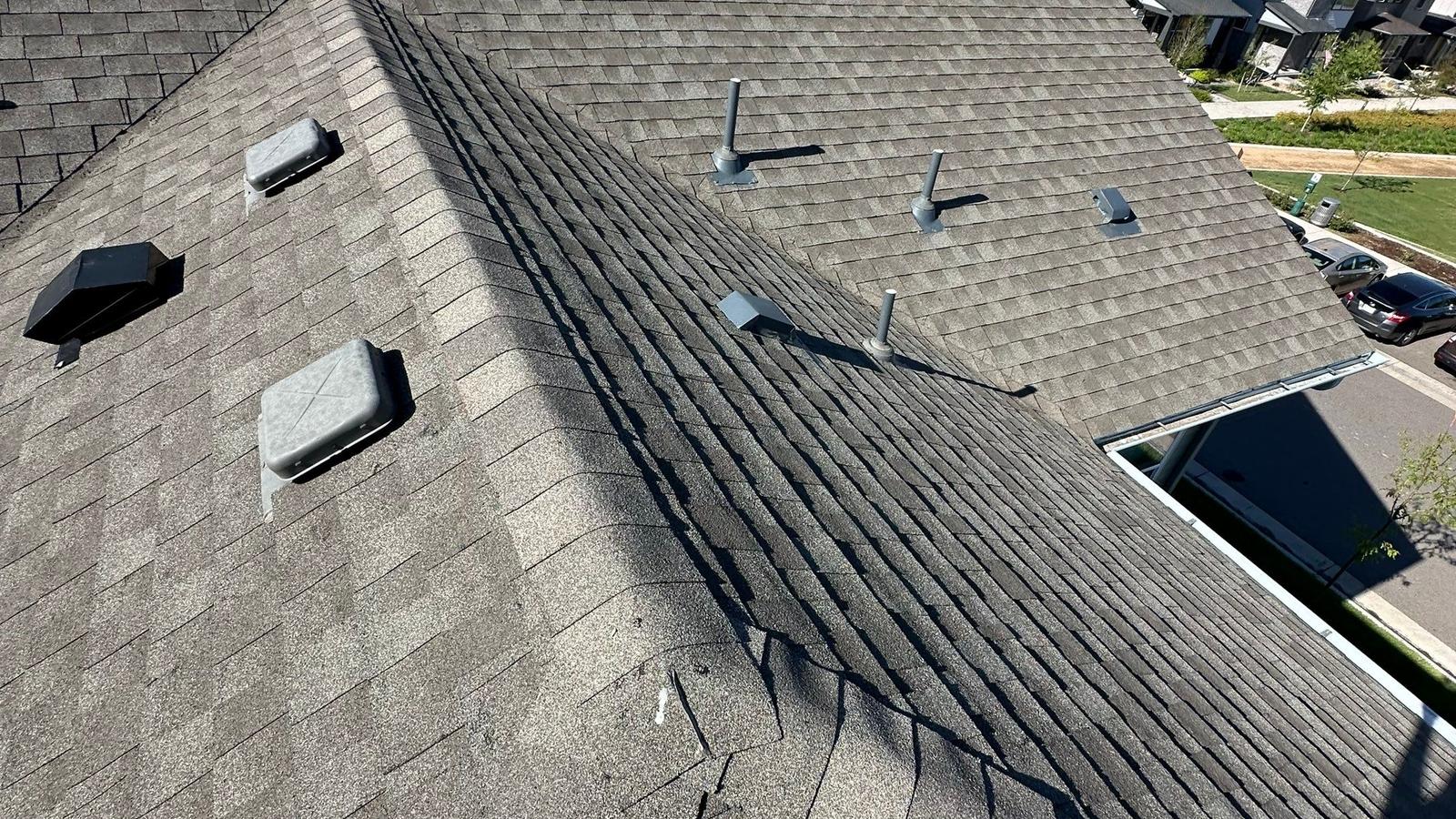
If you are counting on a roofing warranty to pay for a full roof replacement, it is important to know that many warranties do not work that way. A roofing warranty may cover certain defects in materials or installation, but it often does not cover the full replacement cost after hail damage, wind damage, aging, or related property damage. For homeowners and property managers in Colorado and Wyoming, understanding those limits before a claim or major repair can save time, money, and frustration.
What a roofing warranty usually covers
The term roofing warranty sounds broad, but most warranties are actually narrow. In general, roof warranties fall into two main categories:
Manufacturer warranties
These typically cover defects in the roofing materials themselves. For example, if shingles fail early because of a manufacturing issue, the manufacturer may provide replacement materials or a prorated credit.
What that often means in practice:
- Coverage may apply only to the defective product
- Labor may be limited or excluded after an initial period
- Tear-off, disposal, underlayment, flashing, and code-required upgrades may not be included
- Coverage may be prorated as the roof ages
- Storm damage is usually excluded
A manufacturer warranty is not the same thing as insurance. It is designed to address product defects, not every reason a roof might fail.
Workmanship warranties
A workmanship warranty covers installation-related errors made by the contractor. If roof leaks develop because of improper flashing, fastening, or other installation mistakes, this type of warranty may apply.
However, workmanship warranties also have limits. They generally do not cover:
- Hail damage
- Wind events beyond the stated threshold
- Neglect or lack of maintenance
- Damage caused by other trades
- Structural movement or decking issues unrelated to installation
If the roof system needs full replacement because of a major storm, the workmanship warranty may not be the source of payment.
Why full replacement costs are often excluded
Many property owners assume that if a roof fails, the warranty will make them whole. That is rarely how the paperwork is written. Here are the most common reasons full replacement costs are not covered.
The warranty may cover materials, not the entire roofing system
A roof is more than shingles or membrane. Full replacement may involve:
- Tear-off of existing roofing
- Underlayment or insulation
- Flashings and penetrations
- Ice and water protection where required
- Ventilation components
- Gutters or siding affected during the loss event
- Decking replacement if damaged
- Permit costs and code compliance items
A warranty may only pay for the specific defective material. That leaves the building owner responsible for much of the actual project cost.
For homes and buildings across the Front Range and in places like Cheyenne and Laramie, hail events often damage multiple components at once. That is one reason many replacement projects involve insurance claim documentation in addition to warranty review. If storm damage is the real cause, a hail damage inspection is usually more relevant than a warranty claim alone.
Proration reduces coverage over time
One of the biggest surprises in roofing warranty documents is proration. A roof may be advertised with a long material warranty period, but the amount covered can decline as the roof gets older.
For example, the warranty might provide stronger coverage early on, then shift to a reduced credit later. In practical terms, that can mean:
- The owner receives only a partial material allowance
- Labor is no longer included
- The credit does not match current material costs
- Inflation and code changes create a larger out-of-pocket gap
So even when the warranty is valid, it may not come close to the full replacement cost.
Storm damage is usually an insurance issue, not a warranty issue
In Colorado and Wyoming, this is a major point. Hail and wind are common causes of roof replacement, but they are typically excluded from roofing warranties.
That is because warranties and insurance serve different purposes:
- Warranty: covers qualifying defects in product or installation
- Insurance claim: addresses sudden covered losses such as hail or wind, subject to policy terms
If your roof has bruised shingles, lifted tabs, punctures, dented metal, or collateral damage to gutters and siding, the likely path is an insurance claim, not a manufacturer warranty claim. Proper inspection and documentation matter here, especially when insurers want evidence that separates storm damage from normal wear.
That is where a contractor with inspection experience can help bridge the gap between what you see on the roof and what the carrier expects in the file.
Exclusions for maintenance, neglect, and ventilation are common
Another reason full replacement costs are denied is that many warranties require the roof system to be properly maintained. If there are signs of:
- Poor attic ventilation
- Ponding water on low-slope sections
- Clogged drainage
- Unaddressed minor leaks
- Foot traffic damage
- Repairs performed incorrectly by another party
the manufacturer or warranty administrator may argue that the damage was made worse by conditions outside the warranty terms.
This does not always mean the roof is beyond help, but it does mean the replacement cost may shift back to the owner or to an insurance claim if there was a covered event.
Transfer rules and registration requirements can void coverage
Some roofing warranties are only valid if certain steps were completed after installation. Common issues include:
- The warranty was never properly registered
- Required documents cannot be located
- Ownership changed and the warranty was not transferred correctly
- Unauthorized repairs were performed
- The installed system does not match the approved specification
These technical details matter more than most people realize. A roof can appear to have a warranty on paper, but if the administrative requirements were missed, coverage may be reduced or denied.
Full replacement may trigger code upgrades the warranty does not pay for
Even if a warranty provides some replacement value, it may not cover local code-related requirements that apply during reroofing.
Depending on the building and jurisdiction, replacement can involve:
- Updated flashing details
- Improved ventilation
- Ice barrier requirements
- Fastener or attachment changes
- Insulation upgrades on commercial roofs
Those items can be necessary to complete the project correctly, but they are often outside the scope of a basic material warranty. Insurance policies may or may not address them depending on the policy language and endorsements.
For commercial properties, these details can become even more important because roof assemblies are more complex and documentation standards are stricter. If you manage a multifamily, retail, or industrial property, a contractor experienced in commercial roofing can help sort out what is warranty-related, what is storm-related, and what is simply required to bring the system back into service.
How to read a roofing warranty before you need it
The best time to review a roofing warranty is before there is a problem. Focus on these questions:
What exactly is covered?
Look for whether the warranty covers:
- Materials only
- Labor and for how long
- Workmanship
- Leak repair versus full replacement
- Tear-off and disposal
What is excluded?
Pay close attention to exclusions for:
- Hail damage
- Wind-driven rain
- Improper maintenance
- Acts of nature
- Alterations by others
- Structural issues
Is the coverage prorated?
Check whether the value declines over time and whether that applies to both materials and labor.
What are the claim requirements?
Find out:
- How quickly damage must be reported
- What documentation is needed
- Whether inspections must be completed by approved parties
- Whether temporary repairs affect coverage
Is the roof system still eligible?
Confirm that:
- Registration was completed
- Ownership records are current
- Previous repairs did not void terms
- The original installation matches the warranty package
What to do if you suspect major roof damage
If your roof may need full replacement, do not assume the warranty or the insurance company will sort it out without clear evidence. A better approach is:
- Schedule a professional roof inspection
- Determine whether the issue is storm damage, wear, installation error, or material failure
- Photograph and document all affected components
- Review the warranty terms and any recent repair history
- If storm-related, prepare insurance claim documentation
- Compare repair versus replacement options
For many property owners, the first step is simply getting an honest assessment. On residential properties, that may start with a visit from a contractor who can evaluate shingles, flashing, gutters, and ventilation. If you are dealing with a home roof issue, our residential roofing services page explains the kinds of repairs and replacement support available.
If the damage is limited, targeted repair may still make sense. You can also review general pricing information or learn more about roof repair pricing before making a decision.
The bottom line
A roofing warranty can be valuable, but it should not be mistaken for full financial protection against every roof problem. Many warranties cover only specific defects, exclude storm damage, reduce benefits over time, and leave out labor, code upgrades, and related replacement costs. That is why a roof replacement after hail or wind often depends more on proper inspection and insurance documentation than on warranty language alone.
Next step: If you are unsure whether your roof issue falls under a warranty, an insurance claim, or simple age-related wear, AC INC. Roofing can help. We provide free inspections and clear documentation for homeowners and commercial property managers across Colorado and Wyoming. Reach out through our contact page to schedule an inspection or estimate.