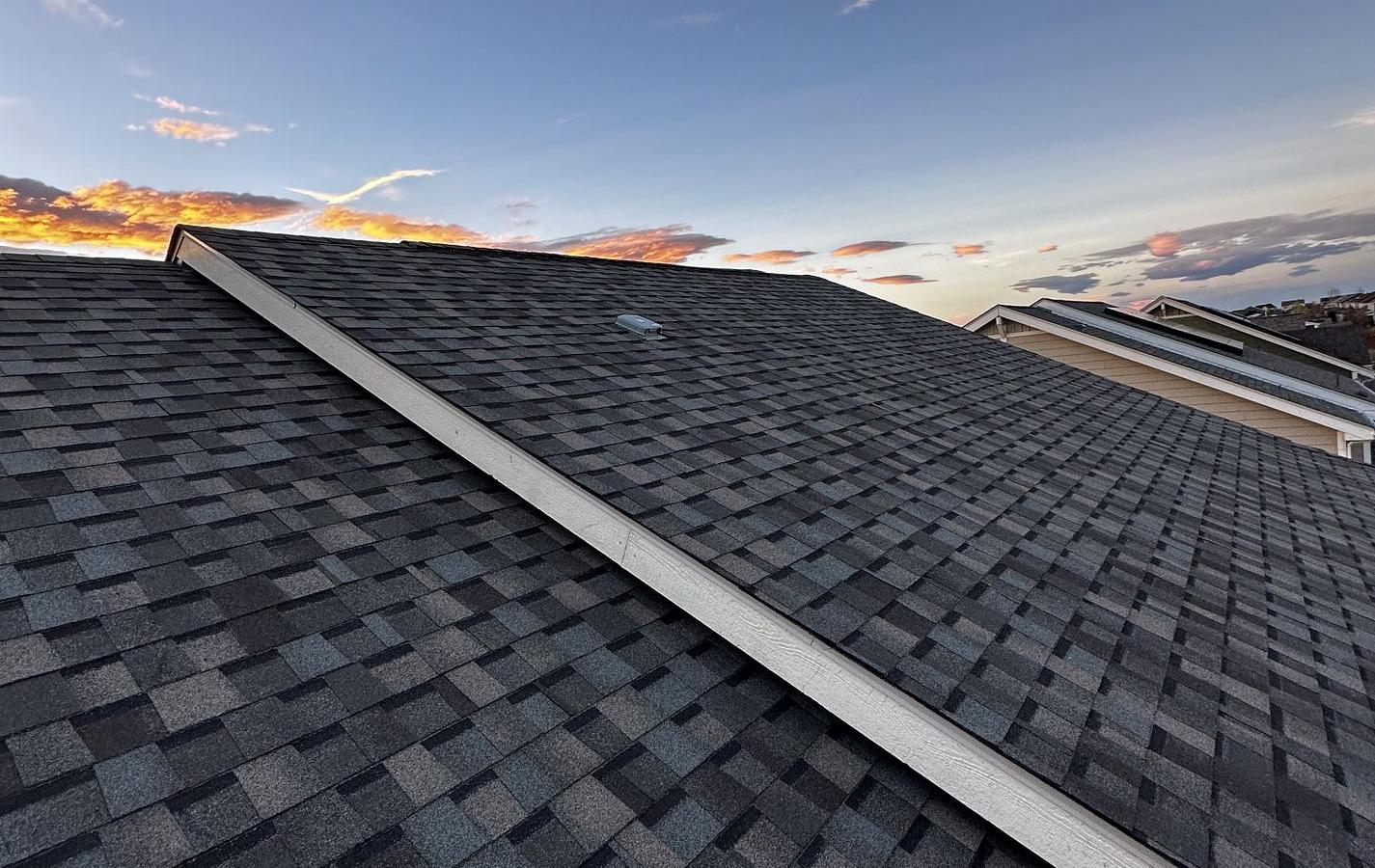
If you are trying to tell whether your roof problem is normal aging, storm damage, or a material issue, the difference matters. Roof wear vs storm damage vs product defects is not just a roofing question—it affects whether you need maintenance, a repair, a full roof replacement, or documentation for an insurance claim. For homeowners and property managers in Colorado and Wyoming, especially in hail-prone areas, getting that diagnosis right early can save time, money, and frustration.
Why the distinction matters
Many roof problems can look similar from the ground. Missing granules, lifted shingles, leaks, dents on metal, or staining on ceilings may all seem like "roof damage," but the cause changes the next step.
Here is why proper identification matters:
- Wear and aging usually point to maintenance, repairs, or planned replacement.
- Storm damage may support an insurance claim if the damage is sudden and tied to a specific weather event.
- Product defects may involve premature failure of roofing materials, which can require a different documentation process than a hail or wind claim.
A misdiagnosis can lead to denied claims, incomplete repairs, or replacing more roof than necessary. That is why a detailed inspection matters, especially after hail, high winds, or repeated freeze-thaw cycles along the Front Range and in Wyoming.
What normal roof wear looks like
Roof wear happens over time. Sun exposure, temperature swings, moisture, foot traffic, and regular weathering slowly break materials down. In Colorado and Wyoming, UV exposure, snow, ice, and strong seasonal winds can speed that process up.
Common signs of normal wear
On asphalt shingle roofs, normal wear may include:
- Gradual granule loss over broad areas
- Curling or slight shrinking as shingles age
- Surface cracking from long-term exposure
- Fading or uneven color from sun and weather
- Minor sealant deterioration around penetrations or flashing
On other roofing systems, wear may show up as:
- Oxidation on metal roofing
- Membrane shrinkage on low-slope commercial roofs
- Dry, brittle sealants around vents, skylights, and wall transitions
- Slow gutter wear or fastener loosening over time
Wear usually develops gradually
The key feature of wear is that it tends to be consistent and progressive, not sudden. You may notice the roof simply looks older each year, or that small maintenance issues start appearing more often.
That does not mean wear should be ignored. An aging roof can still leak, and deferred maintenance often turns a manageable repair into structural damage, insulation problems, or interior staining.
If your roof is showing age but you are not sure whether it needs repairs or replacement, a professional inspection can help you compare its condition to expected service life and current storm exposure. For residential help, see our residential roofing services.
What storm damage looks like
Storm damage is usually tied to a specific weather event or series of events. In our service area, that often means hail, wind, wind-driven rain, or impacts from flying debris.
Hail damage
Hail damage can be obvious, but not always. Large hail may bruise shingles, displace granules, dent metal components, crack skylights, or damage gutters and siding. Smaller hail can still create functional damage that shortens roof life even when the roof looks mostly intact from the ground.
Common signs of hail damage include:
- Random impact marks rather than uniform aging
- Fresh granule loss in concentrated strike areas
- Soft bruising on asphalt shingles
- Dents on vents, flashing, downspouts, and gutters
- Fractures or punctures on brittle roofing materials
- Damage patterns that match slope direction or storm path
Hail claims often depend on proper documentation. That includes identifying whether impacts are recent, widespread, and functionally significant. Our team handles hail-damage inspections and documentation with the level of detail carriers typically expect.
Wind damage
Wind damage often appears differently than hail damage. Instead of impact marks, you may see:
- Lifted, creased, or torn shingles
- Missing shingles or ridge cap pieces
- Exposed underlayment
- Detached flashing
- Debris impact damage near roof edges or corners
Wind damage tends to affect areas where uplift pressure is highest, such as ridges, eaves, corners, and roof transitions.
Storm damage is usually event-based
Unlike wear, storm damage is generally sudden. You may notice it right after a storm, or the first clue may be a leak, interior water stain, or shingle pieces in the yard.
Timing matters. If your property was hit by hail or wind, it is smart to schedule an inspection promptly so damage can be documented while evidence is still clear.
What product defects look like
Product defects are different from both wear and storm damage because the roofing material itself may be failing earlier or differently than expected.
Examples of possible product-related issues
Depending on the roof type, defects may appear as:
- Blistering unrelated to storm impact
- Premature cracking or splitting
- Unusual granule loss at an early age
- Shingle distortion not limited to wind-exposed areas
- Membrane seam issues that are not tied to impact or installation damage
- Coating failure or surface irregularities that show up across similar materials
A defect can affect a portion of the roof or a broad section if the issue is tied to a manufacturing batch or material composition.
Defects can be confused with installation issues
Not every early roof failure is a product defect. Some problems come from installation errors, such as:
- Improper nailing
- Poor attic ventilation
- Bad flashing details
- Inadequate slope design for the material used
- Incorrect fastening or seam treatment on commercial systems
That is one reason inspection experience matters. The goal is to separate material failure, installer error, and storm-related damage based on evidence, pattern, and roof condition.
If you manage a retail, office, industrial, or multifamily property, our commercial roofing services can help identify whether the issue is maintenance-related, storm-related, or tied to the roofing system itself.
How roofers tell the difference
A reliable roof inspection is more than a quick look from the driveway. Distinguishing wear, storm damage, and product defects takes pattern recognition, slope-by-slope review, and documentation.
What inspectors look at
A qualified inspector will typically evaluate:
- The age and type of roofing material
- Damage pattern consistency or randomness
- Whether marks are directional, impact-related, or evenly weathered
- Condition of soft metals, flashing, vents, gutters, and downspouts
- Roof penetrations, valleys, ridges, and edges
- Interior signs of leaks or moisture intrusion
- Surrounding collateral damage on siding, screens, fencing, or HVAC units
- Repair history and prior patchwork
Why documentation matters
For storm claims, the inspection record can be just as important as the damage itself. Photos, notes, test areas where appropriate, and a clear explanation of causation help support the right next step.
This is especially important in hail-prone markets where insurers may distinguish between:
- Cosmetic vs functional damage
- Old damage vs recent storm damage
- Isolated repairable issues vs full slope replacement needs
Common mistakes property owners make
When a leak or visible roof issue appears, many owners make understandable assumptions. Unfortunately, those assumptions can delay the right fix.
Mistake 1: Assuming every leak is storm damage
A leak after a storm does not always mean hail caused it. Sometimes a storm reveals an existing weak point caused by aging sealant, worn flashing, or long-term deterioration.
Mistake 2: Assuming an old roof cannot have storm damage
Older roofs can absolutely suffer new hail or wind damage. Age may affect repairability, but it does not automatically rule out an insurance claim.
Mistake 3: Focusing only on shingles
Collateral items matter. Dented metal vents, damaged gutters, marked downspouts, or siding hits can help confirm a storm event and support the overall roof assessment.
Mistake 4: Waiting too long
The longer you wait, the harder it may be to separate new storm damage from ongoing wear. Delays can also allow small problems to become bigger water-intrusion issues.
What to do if you are not sure what caused the problem
If you are uncertain whether you are seeing wear, storm damage, or a defect, take a simple, practical approach:
- Document what you see with photos from the ground if it is safe.
- Note timing, especially if you recently had hail, high wind, or heavy snow.
- Check inside for stains, drips, or attic moisture.
- Avoid climbing the roof unless you are trained and equipped.
- Schedule a professional inspection to identify cause and severity.
If repairs are needed, you can learn more about likely project considerations on our roof repair pricing page or broader roofing pricing information.
When repair, replacement, or a claim makes sense
There is no one-size-fits-all answer.
- Repair may make sense when damage is limited and the roof still has useful life.
- Replacement may be the better choice when the roof is broadly worn, repeated repairs are adding up, or storm damage affects large sections.
- An insurance claim may be appropriate when inspection findings support sudden, covered storm damage.
- Further evaluation may be needed when the issue appears tied to product failure or installation defects.
The right recommendation should be based on evidence, not guesswork.
Next step
If your roof is showing signs of aging or you suspect hail or wind damage, AC INC. Roofing can help you determine what you are actually dealing with. We provide clear inspections, plain-language recommendations, and thorough documentation for homeowners and commercial property managers across Colorado and Wyoming. Schedule a free inspection or estimate through our contact page.