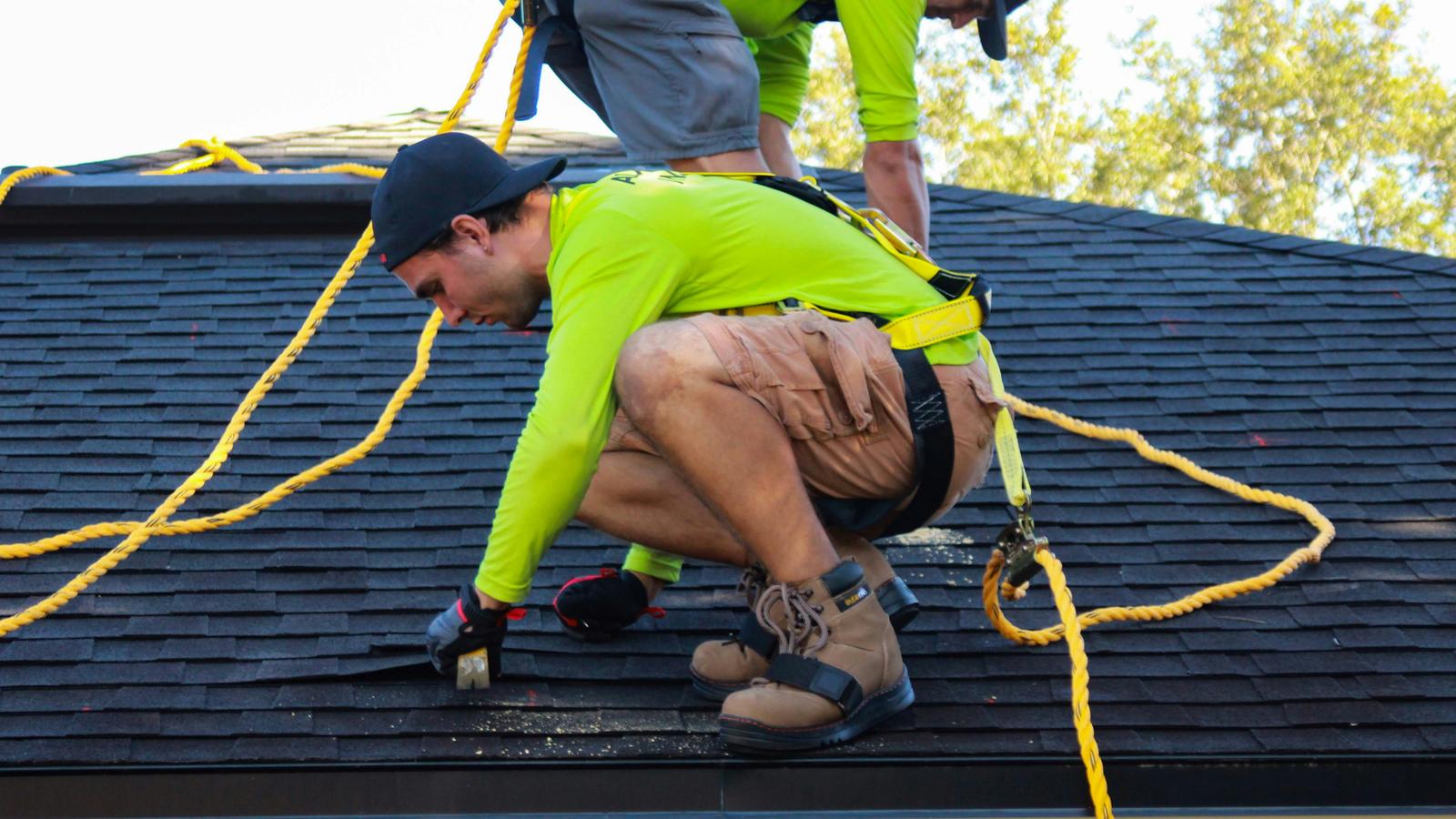
If you are planning a roof replacement Denver homeowners deal with after hail, wind, or age-related wear, the biggest advantage is knowing the process before work begins. A good replacement should not feel confusing. From inspection and estimate to material selection, insurance coordination, permitting, installation, and cleanup, the right contractor keeps the project organized, documents damage clearly, and builds a roof that fits Colorado weather.
Why roof replacement in Denver is different
Denver roofs take a beating. Between hail, high UV exposure, fast temperature swings, snow, and strong wind events, roofing systems along the Front Range often age differently than roofs in milder climates. A roof that looks “mostly fine” from the ground can still have storm damage, granule loss, lifted shingles, compromised flashing, or ventilation issues.
That matters for two reasons:
- Small problems can turn into leaks, decking damage, or insulation issues.
- Storm-related damage may affect how your insurance claim is documented and reviewed.
In Colorado’s Hail Alley, a roof replacement is not just about putting on new shingles. It is about making sure the entire roofing system is evaluated correctly and installed for local conditions.
Step 1: Start with a professional roof inspection
Every replacement should begin with a thorough inspection, not a guess based on age alone. Some roofs need full replacement, while others can be repaired. A qualified inspection helps you avoid replacing a roof too early—or waiting too long.
At this stage, your contractor should look at:
- Shingles or other field materials
- Hail damage and wind damage
- Flashing around chimneys, walls, skylights, and vents
- Gutters, downspouts, and edge metal
- Roof penetrations and sealant condition
- Ventilation performance
- Signs of leaks, staining, or soft decking
If the roof has storm damage, this is also when documentation becomes important. Our HAAG Certified Master Inspectors document damage in a way that supports the insurance process and helps property owners understand what is cosmetic, functional, or likely to worsen over time. If hail is part of the picture, see our hail damage services.
Step 2: Review the estimate and scope of work
Once the inspection is complete, you should receive a clear estimate and scope of work. This is where many homeowners either gain confidence or get frustrated.
A useful roof replacement estimate should explain:
- Whether the project is a repair or full replacement
- The roofing material being proposed
- Tear-off and disposal expectations
- Underlayment, ice and water protection, and flashing details
- Ventilation improvements if needed
- Gutters, siding, or accessory items if storm damage extends beyond the roof
- Cleanup and site protection
- Permit handling
The lowest number is not always the best value. If one estimate seems far below the others, check whether it leaves out important system components like flashing replacement, code-related items, or proper underlayment.
If you want to compare options before moving forward, our pricing page is a helpful place to start.
Step 3: Choose the right roofing material
Most Denver-area homes use asphalt shingles, but that does not mean every shingle is the same. Material choice affects curb appeal, impact resistance, long-term maintenance, and budget.
Common options for Denver homes
Architectural asphalt shingles
- Popular for appearance and value
- Widely available in impact-resistant options
- Good fit for many residential roof replacement projects
Impact-resistant shingles
- Designed for better hail performance
- Often worth considering in storm-prone areas
- May be especially appealing for homeowners who have already had repeated hail damage
Metal roofing
- Durable and low-maintenance in many applications
- Performs well against snow shedding and UV exposure
- Not every home or budget is the right fit, but it can be a strong long-term option
Material selection should also account for:
- Roof slope and complexity
- Neighborhood appearance or HOA requirements
- Ventilation needs
- Insurance considerations
- Your plans to stay in the home long term or sell soon
A good contractor will explain the tradeoffs clearly instead of pushing one product for every house.
Step 4: Understand the insurance side if storm damage is involved
Not every roof replacement involves insurance, but many in Denver do. Hail and wind claims are common across the Front Range, and the process is easier when your contractor understands both roofing and claim documentation.
Here is how that usually works:
- The roof is inspected for storm damage.
- Damage is documented with photos, measurements, and notes.
- You file a claim with your carrier if appropriate.
- The adjuster inspects the property.
- Scope differences, if any, are discussed and supported with documentation.
- The approved scope is used to move the project forward.
This is one area where experience matters. Insurance carriers want clear, supportable documentation—not vague statements that “the roof looks bad.” A contractor familiar with storm restoration can help reduce delays, missed items, and confusion about what is included.
That does not mean every claim is approved, and it does not mean every roof should go through insurance. It means you should have facts before making a decision.
Step 5: Permits, code requirements, and scheduling
Roof replacement in Denver typically involves local permitting and code considerations. Requirements can vary by municipality, roof type, and scope of work, so permit handling should be part of the conversation early.
A professional contractor should guide you through:
- Whether a permit is required
- Who is pulling the permit
- Inspection timing if required by the jurisdiction
- Code-related upgrades that may apply
- Project scheduling based on material lead times and weather windows
Because Denver weather can change quickly, scheduling also needs flexibility. Afternoon thunderstorms, hail risk, temperature swings, and wind can all affect tear-off and installation timing. Good planning helps reduce disruption and protects your home if weather shifts mid-project.
Step 6: Prepare your home before installation day
Once the project is scheduled, a little preparation can make the replacement smoother.
Homeowner checklist
- Move vehicles out of the driveway and away from the house
- Secure fragile wall hangings inside, especially on upper floors
- Cover items stored in the attic if dust is a concern
- Keep children and pets away from the work zone
- Let the contractor know about special access concerns, landscaping, or gate codes
- Ask where materials and dumpsters will be placed
Roof replacement is noisy, and there will be crews, materials, and debris removal happening throughout the day. Knowing that ahead of time helps set expectations.
Step 7: What happens during the roof replacement
On installation day, the crew should follow a clear sequence rather than improvising on site.
Typical roof replacement process
1. Site protection
Landscaping, siding, windows, and access areas should be protected as much as possible before tear-off begins.
2. Tear-off of old roofing
Existing shingles or other roof coverings are removed so the deck can be inspected.
3. Deck inspection
If damaged or deteriorated decking is found, it is addressed before new materials go on.
4. Installation of underlayment and protection layers
This can include synthetic underlayment and ice and water protection in vulnerable areas, depending on the roof design and local requirements.
5. Flashing and penetration details
Critical areas around walls, vents, chimneys, and valleys are installed or replaced carefully. This is where many roof failures start if workmanship is weak.
6. Roofing material installation
Shingles, ridge components, vents, and accessories are installed according to manufacturer requirements and code.
7. Cleanup and magnetic sweep
The crew removes debris and checks for nails and job-site leftovers.
For homeowners, the biggest concerns during installation are usually weather protection, property care, and communication. You should know who your point of contact is and how updates will be handled if conditions change.
Step 8: Final walkthrough and cleanup
A roof replacement is not finished when the last shingle is nailed down. The final walkthrough matters.
At the end of the job, you should expect:
- A review of the completed work
- Confirmation that cleanup is complete
- Discussion of any decking or scope changes discovered during tear-off
- Photos or documentation if requested
- Information on any remaining paperwork, including insurance documents if applicable
This is also the right time to ask about related exterior items. Storm events that damage roofs often affect gutters, siding, vents, and soft metals too. If your project includes more than roofing, we can help coordinate that work as part of a complete exterior restoration.
What sets AC INC Roofing apart
Homeowners shopping for roof replacement Denver services are not just comparing shingles. They are comparing process, communication, and trust.
At AC INC Roofing, we focus on three things that make a major difference:
Clear communication
You should know what was found, what is recommended, what the next step is, and who to call with questions. We keep the process plain-spoken and organized, especially for homeowners going through storm damage or an insurance claim for the first time.
Workmanship that addresses the full system
A roof is more than surface shingles. We pay attention to ventilation, flashing, drainage, and the details that often separate a short-term fix from a durable replacement. For broader residential needs, visit residential roofing services.
Storm-restoration expertise
As HAAG Certified Master Inspectors, we understand how to document hail damage and related issues in a way that supports the claims process. That experience matters in Denver, where weather-related losses are common and proper documentation can affect the outcome.
We also support commercial owners and managers dealing with replacement or storm-related roof issues. Learn more about our commercial roofing services.
How to know when it is time to replace instead of repair
Not every problem means you need a full replacement. But replacement may be the better path if:
- The roof has widespread hail or wind damage
- Leaks are recurring in multiple areas
- Repairs are becoming frequent
- Flashing and system components are failing in several locations
- The roof is nearing the end of its expected service life
- An insurance claim supports full replacement after storm damage
If the issue is isolated, a targeted repair may make more sense. You can also review options for roof repairs before deciding.
Next step
If you are wondering whether your roof needs repair or full replacement, AC INC Roofing can help you get a clear answer. We provide professional inspections, straightforward estimates, and experienced guidance for storm damage, insurance coordination, and complete roof replacement in Denver. Contact us for a free inspection or estimate at /contact.