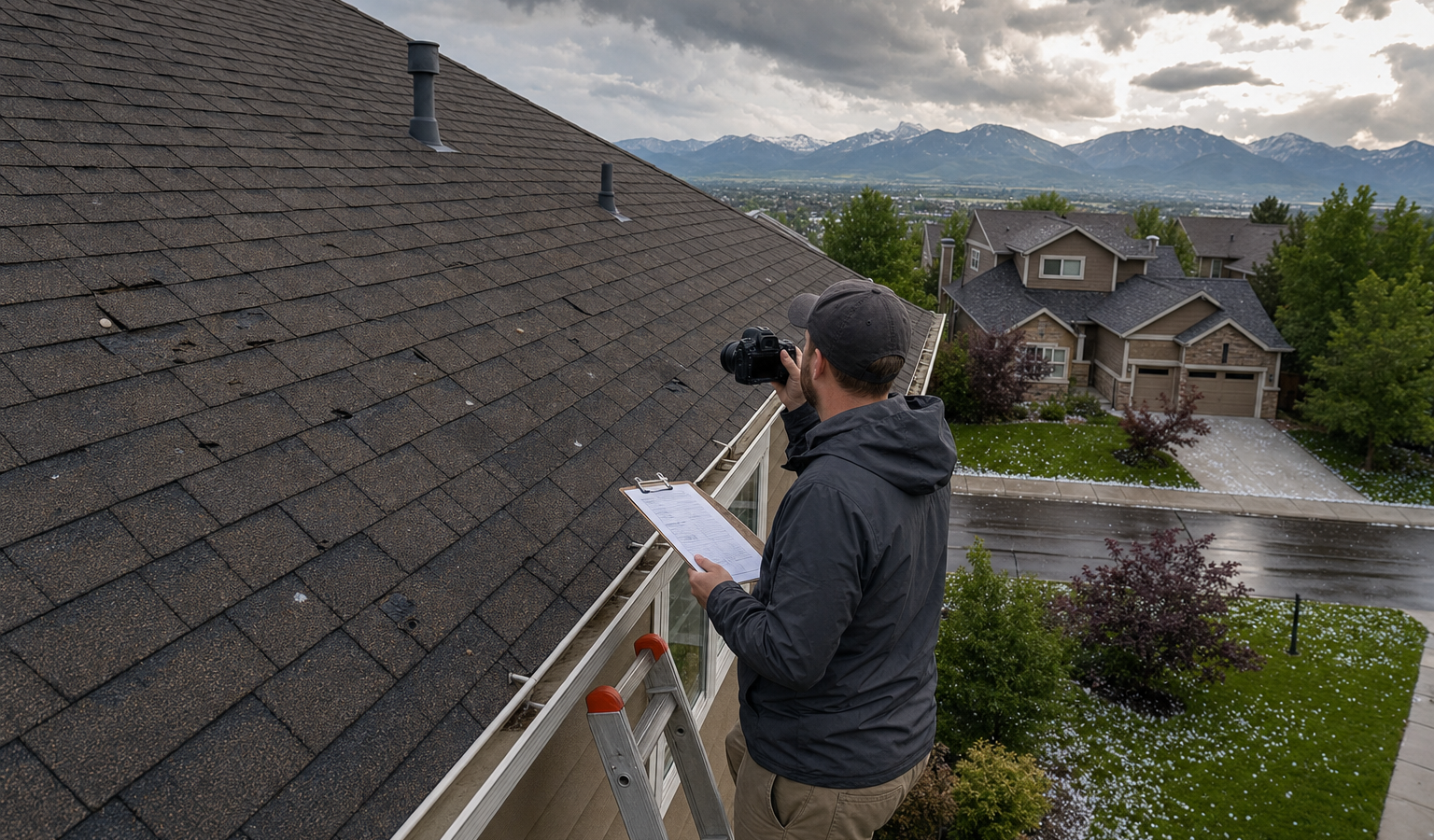
If you discover recalled roofing products on your Colorado home, the issue matters because it can affect weather protection, resale value, warranty coverage, and possibly an insurance claim after storm damage. In a state where hail, wind, snow, and rapid temperature swings put roofing systems under constant stress, a recalled shingle, underlayment, or accessory can fail sooner than expected. The practical next step is to confirm what was installed, document the condition of the roof, and have a qualified inspector determine whether you need monitoring, repairs, or full roof replacement.
What a roofing product recall actually means
A roofing product recall does not always mean every roof is actively leaking or unsafe right now. In many cases, it means a manufacturer, distributor, or regulator identified a defect, performance issue, labeling problem, or installation-related concern that may affect how the product performs over time.
For homeowners, the key point is this: a recall can change how you evaluate roof condition. If your roof includes a recalled product, normal wear may not tell the whole story. The material may be more vulnerable to:
- premature cracking
- granule loss
- curling or blistering
- adhesive failure
- moisture intrusion
- reduced wind resistance
- shorter-than-expected service life
In Colorado, those weaknesses can show up quickly because roofs here deal with intense UV exposure, freeze-thaw cycles, heavy snow in some areas, and repeated hail events.
Why recalled roofing products matter more in Colorado
Colorado homeowners already face one of the toughest roofing environments in the country. Along the Front Range and across Hail Alley, even a well-installed roof can take a beating. Add a recalled product to that equation, and the risk goes up.
Hail can expose hidden product defects
A recalled shingle or accessory may not fail evenly across the roof. After a hailstorm, weak areas often become more obvious. You might see broken matting, lifted tabs, unusual bruising, or accelerated granule loss that goes beyond what you would expect from the storm alone.
That matters for two reasons:
- storm damage can overlap with a product defect
- documentation becomes more important if you are filing an insurance claim
A proper inspection should separate what appears to be hail damage, what looks like wear, and what may be tied to a recalled material. That is one reason many homeowners schedule a hail damage inspection after a storm, even if leaks are not obvious yet.
Recalled components can affect the whole roofing system
People often think only about shingles, but recalls can involve other parts of the roof system too, such as:
- ridge cap products
- synthetic underlayment
- ice and water barriers
- fasteners
- ventilation components
- flashing accessories
When one component underperforms, the surrounding materials may also suffer. For example, a defective underlayment may allow moisture to reach decking, or a failed shingle sealant strip can increase the chance of wind-driven water intrusion.
How to tell if your roof may include a recalled product
Most homeowners do not know the exact brand and product line on their roof, especially if the roof was installed by a previous owner. That is normal. The goal is not to guess from the ground but to gather the right information.
Start with paperwork
Look for any documents related to the roof installation or past repairs, including:
- contract or invoice
- warranty paperwork
- permit records
- manufacturer registration documents
- insurance claim paperwork from a prior loss
- home sale disclosures
These documents may list the manufacturer, product type, color, and installation date. Even partial information helps narrow things down.
Check for visible warning signs
A recall notice alone does not confirm active failure, but certain symptoms should prompt an inspection:
- shingles cracking earlier than expected
- patches that look older than the rest of the roof
- repeated leaks with no clear cause
- tabs lifting or failing to seal
- unusual granule accumulation in gutters
- exposed fiberglass mat or dark bald spots
- moisture staining in the attic
If you also have gutter or siding damage from recent storms, it makes sense to evaluate the entire exterior together. AC INC. Roofing handles roofing, gutters, and siding issues as one system rather than as isolated problems.
Get a professional roof inspection
A professional inspection is the fastest way to connect product identification with actual roof condition. At AC INC. Roofing, our HAAG Certified Master Inspectors evaluate whether the roof is simply aging, has storm-related damage, or may include a product issue that deserves further documentation.
For homeowners, the value of that inspection is clarity. You need to know whether the roof can be repaired, should be monitored, or is moving toward replacement.
What to do if you suspect a recalled roofing product
If you think your roof may include a recalled material, take these steps in order.
1. Do not rely on internet photos alone
Many roofing problems look similar from a distance. Hail damage, manufacturing defects, foot traffic, poor ventilation, and normal aging can all create overlapping symptoms. A recall notice online may sound familiar, but visual matching is not enough.
2. Document the current condition
Take clear photos from the ground of all roof slopes you can see, plus gutters, downspouts, siding, attic stains, and any interior leak areas. Save dates for when you first noticed the issue and when recent storms occurred.
3. Gather roof history
Make a simple timeline that includes:
- approximate installation year
- prior repairs
- past insurance claims
- known hail or wind events
- leak history
- whether the home changed ownership since the roof was installed
This helps sort out whether the problem is sudden, progressive, or storm-related.
4. Schedule a qualified inspection
A detailed roof inspection should identify the product if possible, evaluate current damage, and explain whether the roof remains serviceable. If replacement is warranted, you can review options for residential roofing or, for multi-family and business properties, commercial roofing.
5. Contact the manufacturer if needed
In some situations, the manufacturer may have a claims or recall process. You may need:
- product information
- installation date
- contractor information
- photos
- inspection findings
- proof of ownership
Keep expectations realistic. Manufacturer processes vary, and product-related remedies do not always cover the same things an insurance claim would cover.
Recall issue or storm damage: why the distinction matters
One of the most confusing parts of this topic is the difference between a product defect and insurable damage.
A product recall generally relates to how the material was made, labeled, or expected to perform. An insurance claim usually depends on a covered event, such as hail or wind damage.
Sometimes both issues are present at the same time. For example:
- a recalled shingle may have aged poorly, then a hailstorm pushes it into visible failure
- wind may break seal strips that were already weak
- underlayment issues may worsen the effects of ice dams or driven rain
This overlap is why documentation matters. An inspection should describe the roof condition carefully and avoid lumping everything into one category without evidence. That is especially important in Colorado, where hail claims are common and carriers expect organized, photo-backed observations.
Repair or roof replacement?
The right solution depends on the roof’s age, the scope of the issue, and whether the recalled product affects isolated areas or the entire system.
Repair may make sense when:
- the issue is limited to a small section
- matching materials are still available
- the rest of the roof is in solid condition
- the defect has not caused widespread failure
If you are trying to understand likely repair scope before making a decision, our roof repair pricing page can help frame the discussion.
Replacement is often the better long-term option when:
- the recalled product is installed across most or all slopes
- the roof has active leaks in multiple areas
- hail or wind damage is also present
- materials are brittle, lifting, or losing granules broadly
- repairs would only delay a larger failure
If replacement is on the table, reviewing broader roofing pricing information can help you prepare for next steps.
How to protect your investment going forward
Whether your roof is ultimately repaired or replaced, homeowners can reduce future headaches by staying organized and proactive.
Keep a roof file
Store these items in one place:
- installation contracts
- product names and colors
- warranty documents
- inspection reports
- storm photos
- repair receipts
- insurance correspondence
Schedule inspections after major storms
Colorado and Wyoming property owners benefit from prompt post-storm inspections, especially after hail or high wind events. Small issues are easier to document and address before they become leak claims or decking problems.
Think in systems, not just shingles
A durable roof depends on more than the field shingles. Ventilation, flashing, underlayment, gutters, and siding all affect how the home sheds water and withstands storms. When one part fails, the others should be checked too.
Next step
If you suspect recalled roofing products on your home, or your roof has started showing unusual wear after hail or wind, AC INC. Roofing can help you sort out what is product-related, what is storm-related, and what action makes the most sense. Schedule a free inspection or estimate through our contact page and get a clear plan to protect your investment.