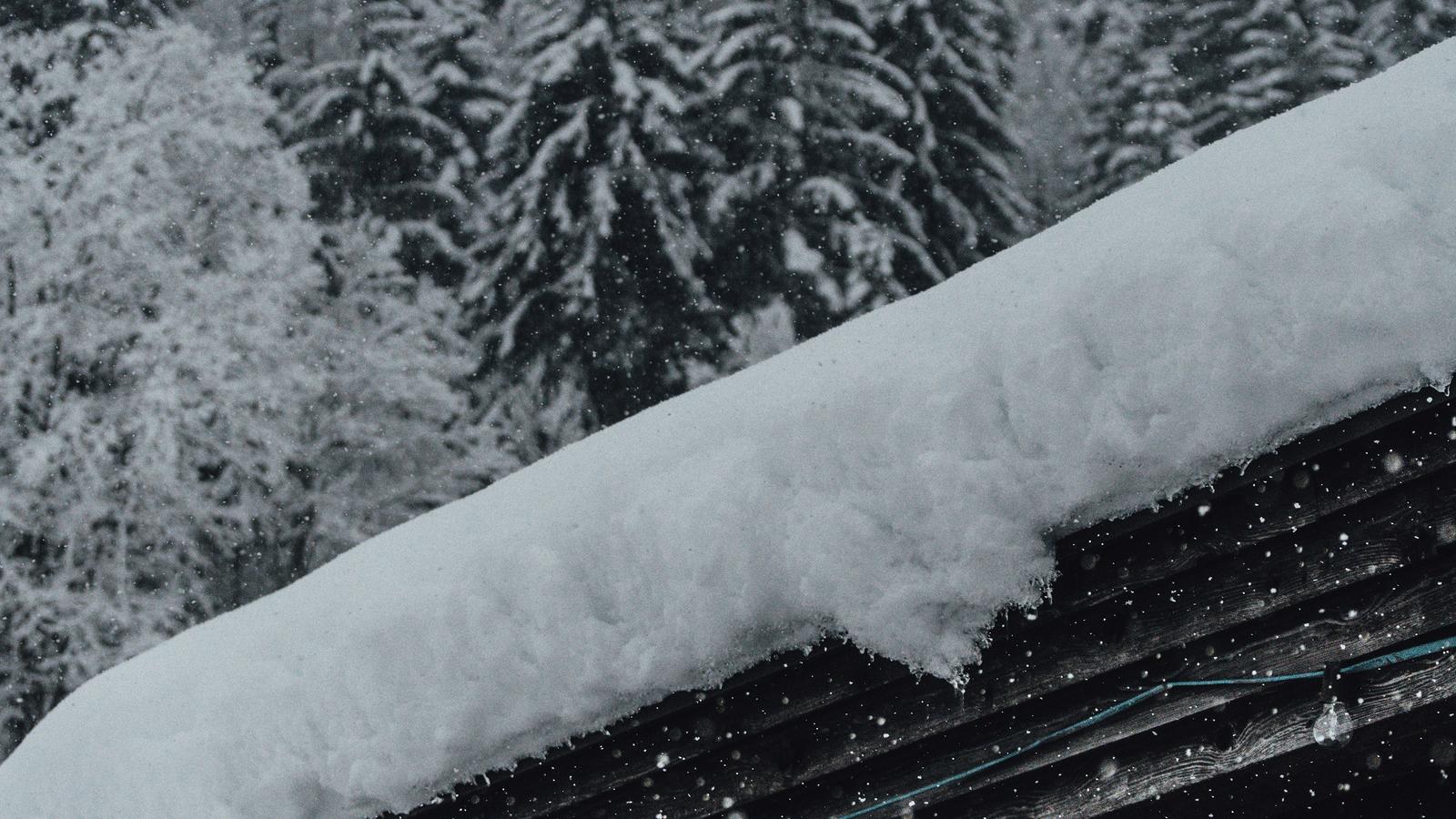
Colorado winter can be hard on any roofing system, so knowing how to prepare your roof for a Colorado winter before the first freeze matters. A good fall plan helps homeowners catch hail damage, worn shingles, flashing issues, and drainage problems early—before snow load, ice, and wind turn a small repair into a leak or premature roof replacement. If you live along the Front Range or anywhere in Wyoming near Cheyenne, Laramie, or Pine Bluffs, a practical roof inspection and maintenance checklist is one of the best ways to protect your home.
Why fall roof prep matters in Colorado
Colorado roofs deal with a rough cycle: summer hail, strong UV exposure, wide temperature swings, fall wind, and then snow and ice. Even a roof that looks fine from the ground may have damage that shows up only after freezing temperatures arrive.
Fall is the right time to check your roof because it gives you a window to:
- Find storm damage before winter weather hides it
- Fix minor issues while repair conditions are still favorable
- Clear drainage paths so melting snow can move off the roof properly
- Reduce the risk of ice dams, interior leaks, and attic moisture problems
- Document any hail damage for a potential insurance claim
For many property owners, the biggest mistake is waiting until there is an active leak. By then, the problem may involve decking, insulation, interior drywall, or even siding and gutters.
Your complete fall roof checklist
Use this checklist as a practical guide. Some items are safe to review from the ground, but steep-slope roofs, storm damage, and commercial systems should be inspected by a qualified roofer.
1. Start with a visual inspection from the ground
Walk around the home and look for anything that seems out of place.
Check for:
- Missing, lifted, or curling shingles
- Dark spots or uneven roof lines
- Exposed nail heads or loose ridge cap shingles
- Debris piled in valleys
- Bent, detached, or overflowing gutters
- Flashing that appears lifted around chimneys, walls, or vents
- Siding stains near roof edges that may point to overflow or leaks
If your area saw hail or heavy wind this year, that alone is reason to schedule a professional inspection. Damage is often more widespread than it first appears.
2. Look for signs of hail damage
Along Colorado’s Front Range, hail damage is one of the most common reasons a roof fails earlier than expected. The damage may not cause an immediate leak, but it can shorten the life of shingles and create weak points before winter.
Common warning signs include:
- Random impact marks on shingles
- Granule loss collecting in gutters or downspouts
- Bruising or soft spots on asphalt shingles
- Dented vents, flashing, gutters, or metal accessories
- Cracked shingle tabs or broken edges after a storm
If you suspect storm damage, a documented inspection is important. Our team handles hail damage inspections and provides the kind of photo documentation and notes commonly needed for an insurance claim.
3. Clean gutters and downspouts
Gutters do more than keep water off your walkways. In winter, they help control how snowmelt leaves the roof. If they are clogged with leaves, grit, or shingle granules, water can back up at the eaves and contribute to ice buildup.
Your fall gutter check should include:
- Removing leaves and roof debris
- Flushing downspouts to confirm water flows freely
- Tightening loose hangers or fasteners
- Checking seams and corners for leaks
- Confirming downspouts discharge away from the foundation
If your gutters are damaged from storms or age, fix them before freezing weather sets in. Drainage problems rarely improve on their own.
4. Inspect flashing and roof penetrations
A lot of winter leaks start at transitions, not in the middle of the field shingles. Flashing around chimneys, skylights, plumbing vents, wall intersections, and furnace flues takes a lot of stress from expansion, contraction, and wind.
Pay close attention to:
- Rusted or separated metal flashing
- Cracked sealant around penetrations
- Loose vent boots
- Gaps where roof planes meet walls
- Exposed fasteners around metal components
These are common repair items and often much less expensive to address early than after water enters the home. If you already know you need smaller corrective work, review options for roof repairs.
5. Check the attic for hidden warning signs
A roof can have problems long before stains appear on the ceiling. Your attic often tells the story first.
Look for:
- Water stains on decking or rafters
- Damp insulation
- Mold or mildew smells
- Frost buildup on the underside of the roof deck
- Daylight showing through boards or around penetrations
- Poor airflow from blocked vents
Attic moisture issues are especially important in winter. Warm indoor air rises, and if ventilation is poor, it can contribute to condensation, frost, and ice dam conditions. Roof performance is not just about the shingles—it also depends on ventilation and insulation working together.
6. Trim back overhanging branches
Branches that touch or hang over the roof can scrape shingles, drop debris into valleys and gutters, and break under snow load. In windy winter weather, even small limbs can cause damage.
Trim back branches that:
- Rub against the roof surface
- Hang over valleys or low-slope transitions
- Crowd chimneys or vent stacks
- Drop heavy leaf buildup into gutters
Tree work should be done safely and, when needed, by an arborist. The goal is clearance, not aggressive cutting that could destabilize the tree.
7. Check for loose metal and storm-worn components
Colorado wind can loosen more than shingles. Ridge vents, pipe caps, satellite mounts, chimney caps, and metal edge details can all work loose over time. Once snow and ice arrive, those weak points become more likely to fail.
A fall inspection should note:
- Loose ridge vent sections
- Damaged pipe jack covers
- Lifted drip edge or rake edge metal
- Aging sealant around equipment mounts
- Detached chimney caps or flashing pieces
These are easy items to overlook from the ground, but they can become the source of winter water intrusion.
When a repair is enough—and when replacement should be considered
Not every roof needs replacement before winter. Many roofs just need targeted repairs and maintenance. But if your roof has broad storm damage, repeated leaks, widespread granule loss, brittle shingles, or failing flashing in multiple areas, it may be more practical to discuss a roof replacement plan.
A professional inspection can help you decide whether the best path is:
- Minor repair before winter
- Broader corrective work in phases
- Insurance claim support for storm-related damage
- Full replacement for an aging or extensively damaged roof
If you are comparing options, our pricing page can help you understand the scope of roofing work typically involved.
Residential and commercial roofs need different fall prep
The basic goal is the same—keep water out and drainage moving—but the inspection points differ.
Residential roofing
For homes, fall prep usually focuses on:
- Shingles and ridge caps
- Valleys and flashing details
- Gutters and downspouts
- Attic ventilation
- Signs of hail or wind damage
Learn more about our residential roofing services if your home roof needs inspection, repair, or replacement.
Commercial roofing
Commercial systems often need closer attention to:
- Membrane seams
- Drain bowls and scuppers
- Rooftop equipment curbs
- Ponding areas
- Parapet wall flashing
- Traffic wear around service paths
Snow and ice can expose weaknesses quickly on low-slope systems, especially where drainage is already slow. Property managers can review our commercial roofing services for inspection and maintenance support.
Mistakes to avoid before winter
A few common mistakes create unnecessary risk:
- Ignoring minor storm damage: A small impact area can worsen under freeze-thaw cycles.
- Putting off gutter cleaning: Clogs increase the chance of overflow and ice issues.
- Relying on caulk as a full repair: Sealant has its place, but it is not a substitute for proper flashing or shingle replacement.
- Climbing on the roof without the right safety setup: Falls are a real risk, especially on steep or brittle surfaces.
- Waiting for a leak to appear indoors: By that point, the damage is usually larger.
What to do if you suspect damage this fall
If you notice missing shingles, hail marks, ceiling stains, or drainage problems, take a few simple steps:
- Photograph what you can safely see from the ground.
- Note roughly when the issue started or when the last major storm hit.
- Check the attic for active moisture or staining.
- Avoid pressure-washing, patching blindly, or walking the roof yourself.
- Schedule a professional inspection to confirm the condition and recommended next step.
If storm damage is involved, good documentation matters. A thorough inspection can help clarify whether you are dealing with routine wear, a repairable issue, or damage that may support an insurance claim.
Next step
If you want to prepare your roof for a Colorado winter with confidence, AC INC. Roofing can help. We provide detailed roof inspections, hail-damage documentation, repairs, and replacement recommendations for homes and commercial properties across Colorado and Wyoming. Request a free inspection or estimate through our contact page before winter weather makes small problems harder to solve.