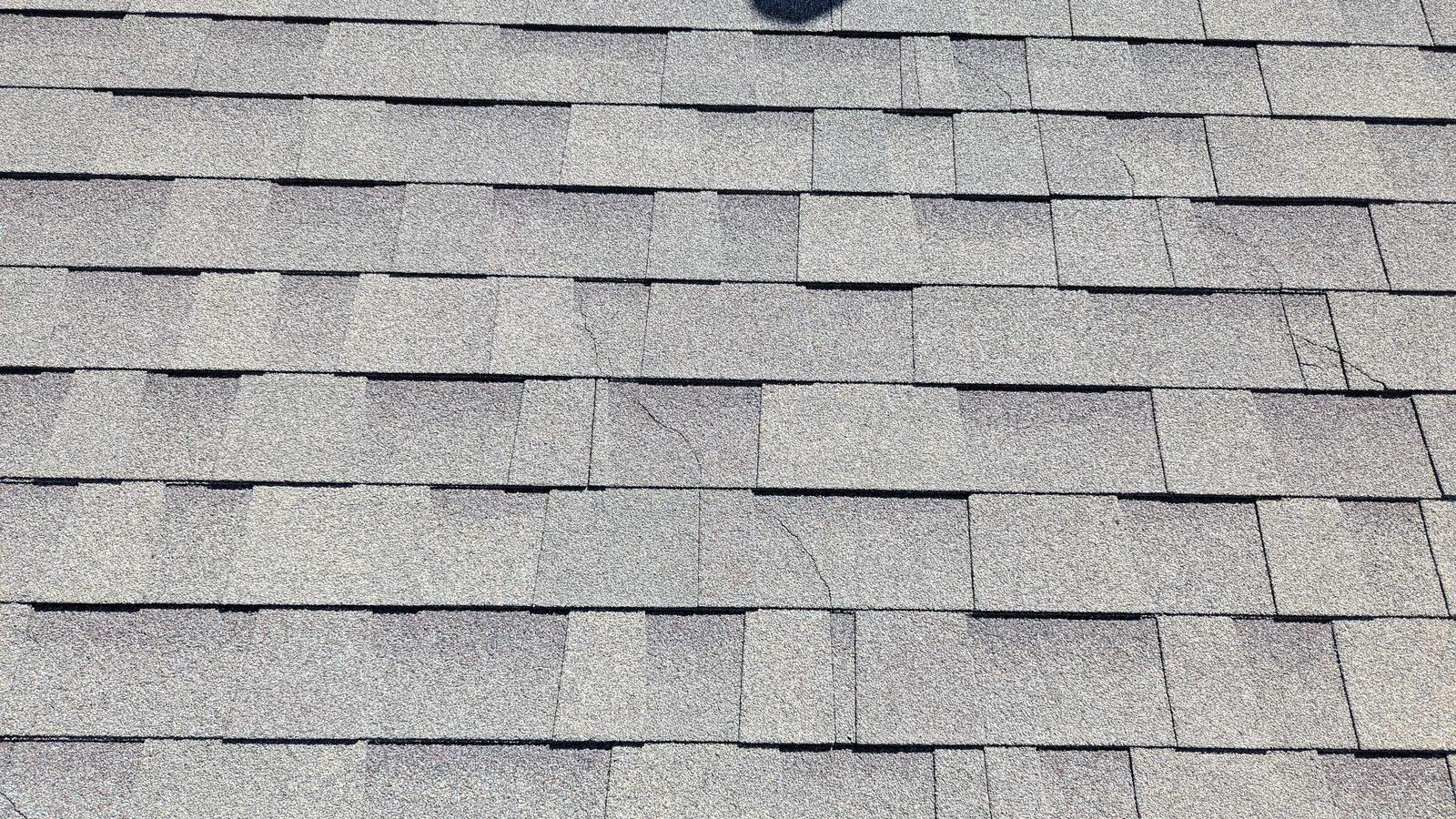
If you are seeing Malarkey shingle complaints like granule loss, cracking, curling, or shingles that seem to be aging too fast, your roof may qualify for a warranty claim. The key is figuring out whether the problem points to a manufacturing defect, storm damage, installation error, or normal wear. That matters because the next step—repair, roof replacement, or an insurance claim—depends on the cause, and good documentation makes the process much smoother.
Common Malarkey shingle complaints homeowners notice
Most homeowners do not go looking for a warranty issue. They notice a stain on the ceiling, shingle pieces in the yard, or dark patches on the roof and start asking questions. Some of the most common complaints include:
Excessive granule loss beyond the small amount expected on newer shingles
Cracking or splitting in shingles that are not especially old
Curling, cupping, or clawing that changes how shingles lay flat
Blistering or surface pitting
Premature aging compared with nearby roofs of similar age
Leaks that seem tied to shingle failure rather than flashing or penetrations
Inconsistent appearance across slopes, such as patchy discoloration or uneven weathering
These symptoms do not automatically mean the shingles are defective. In Colorado and Wyoming, hail, high wind, ice, intense UV exposure, and ventilation problems can create similar symptoms. That is why a proper inspection matters.
When a complaint may point to a warranty claim
A warranty claim is usually worth exploring when the shingles show signs of failing earlier than expected and the pattern does not line up with obvious storm impact or installation mistakes.
Signs the issue may be material-related
A manufacturer-related concern often shows up as a broad, repeated pattern rather than isolated damage in one small area. Examples include:
Similar cracking across multiple slopes
Unusual granule loss over large sections of the roof
Shingles becoming brittle sooner than expected
Distortion that appears widespread, not just around roof penetrations or edges
Failure that seems out of proportion to the roof’s age and maintenance history
If the roof has a consistent pattern of premature deterioration, it may deserve a closer look under the product warranty.
Signs the issue may not be warranty-related
Many roof problems fall outside a material warranty, even if the shingles themselves look bad. Common examples include:
Hail damage from a recent or prior storm
Wind uplift that breaks the seal strip or creases shingles
Poor attic ventilation causing heat buildup and accelerated aging
Improper installation such as incorrect nailing, overdriven nails, bad starter installation, or poor flashing details
Foot traffic or mechanical damage from service work on HVAC or other equipment
If your roof is in the Front Range or southeast Wyoming, hail damage is especially important to rule out. Many roofs that look like they have a product problem actually show storm-related bruising or impact marks. Our hail damage inspection services are designed to separate those issues clearly.
What to check before assuming the shingles are defective
Before you contact the manufacturer or installer, gather a few basics. This helps you avoid guesswork and makes the inspection more productive.
1. Find out the roof’s approximate age
Try to confirm:
Year of installation
Product line, if known
Name of the contractor who installed it
Any prior repairs or partial replacements
If you bought the property after the roof was installed, closing documents or prior permits may help fill in the gaps.
2. Look for patterns, not just one damaged spot
A warranty-type concern usually shows up repeatedly. Make note of:
Which roof slopes are affected
Whether the issue is isolated or widespread
Whether it is worse on sun-facing or wind-facing sides
Whether the shingles are failing near valleys, eaves, ridges, or throughout the field of the roof
3. Check for storm history
In this region, the weather history matters. A roof may have gone through:
Hailstorms
Severe wind events
Freeze-thaw cycles
Heavy snow and ice buildup
If there was a known storm near the time the problem started, an insurance claim may be part of the conversation.
4. Look in the attic too
Some symptoms blamed on shingles actually start below the roof deck. Check for:
Poor ventilation
Moisture staining
Mold or condensation
Uneven heat buildup
Signs of long-term leaks
Ventilation and moisture issues can speed up shingle aging and may affect whether the manufacturer treats the issue as warrantable.
Documentation that helps a warranty claim
Whether you are dealing with the manufacturer, installer, or insurance carrier, documentation is what moves the process forward.
Useful records include:
Photos of the roof from the ground and close-up photos of the suspected damage
Photos showing the same issue across multiple roof areas
Installation paperwork, if available
Product packaging or leftover bundle wrappers, if available
Repair invoices
Storm-date information
Notes on when you first noticed the problem
Interior leak photos, if applicable
A professional inspection report can also help distinguish between manufacturing concerns, installation defects, and storm damage. At AC INC. Roofing, our inspections are built to document roof conditions clearly for homeowners, property managers, and insurance carriers.
Why professional inspection matters with Malarkey shingle complaints
Shingle complaints can look similar from the ground, but the cause changes everything.
For example:
Granule loss may be normal early shedding, hail impact, or premature wear
Cracking may point to aging, brittleness, thermal stress, or a product issue
Curling may come from attic ventilation problems, installation issues, or shingle deterioration
Leaks may be caused by flashing failure rather than the field shingles
A trained roof inspector looks at the full system, not just the visible symptom. That includes the shingles, underlayment, flashing, ventilation, penetrations, drainage patterns, and storm indicators. For homeowners, that means fewer false assumptions. For commercial owners and managers, it means better records and a clearer repair or replacement plan. If your property includes steep-slope or low-slope sections, it is even more important to evaluate each roofing area correctly. Learn more about our residential roofing services and commercial roofing services.
Warranty claim or insurance claim?
This is one of the biggest points of confusion.
A warranty claim may apply when:
The shingles appear to be failing prematurely
The damage pattern suggests a material issue
There is no clear single storm event causing the problem
The roof was installed in a way that meets product requirements
An insurance claim may apply when:
Hail or wind caused direct damage
The roof condition changed after a specific storm
There is collateral damage to gutters, vents, soft metals, or siding
The shingle failure is tied to covered storm impact rather than manufacturing
Sometimes both questions need to be evaluated. A roof may have pre-existing wear and then suffer new storm damage. In those cases, accurate documentation matters even more.
Red flags that mean do not wait
If you notice any of the following, it is smart to schedule an inspection soon:
Active leaks or water staining inside the home
Shingles blowing off or sliding out of place
Large bare areas with heavy granule loss
Repeated repairs on the same slope
Visible cracking or splitting across many shingles
Signs of decking softness or sagging
Damage after a recent hail or wind event
Waiting can make the damage worse and may complicate a future warranty or insurance claim because the condition changes over time.
What happens during an inspection
A thorough roof inspection for possible shingle failure typically includes:
Reviewing the roof’s age and known history
Inspecting each slope for pattern damage and storm indicators
Checking flashings, penetrations, ridge, hips, valleys, and eaves
Looking for ventilation-related problems
Photographing damage and notable roof conditions
Identifying whether repair, replacement, warranty follow-up, or insurance documentation is the most likely path
If repairs are the right option, you can review our general roofing pricing information and repair pricing page. If the roof condition is broader, replacement may be the more practical long-term solution.
The bottom line on Malarkey shingle complaints
Malarkey shingle complaints are worth taking seriously when the roof shows premature wear, repeated cracking, unusual granule loss, or widespread deterioration that does not match normal aging. But symptoms alone do not tell you whether the issue is a warranty claim, storm damage, installation problem, or a combination of those factors. The safest next step is a documented inspection that identifies the cause before you spend money on the wrong fix.
Next step
If you think your roof may qualify for a warranty claim—or you are not sure whether you are looking at hail damage, normal wear, or a shingle defect—schedule a free inspection with AC INC. Roofing. We can document the condition, explain your options, and help you decide whether repair, replacement, manufacturer follow-up, or an insurance claim makes the most sense. Contact us here: /contact.