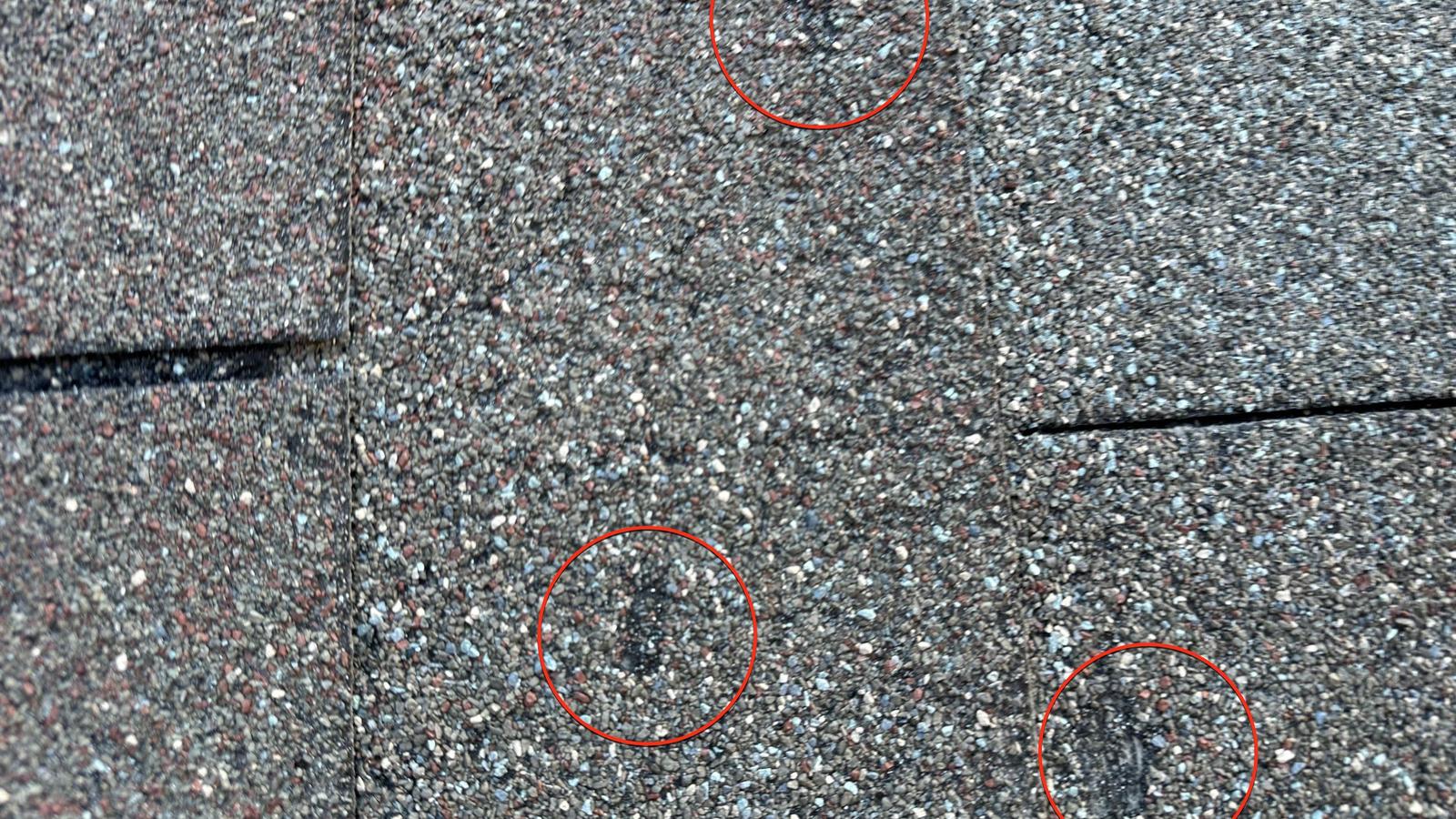
If you own a home in Colorado, impact-resistant shingles are no longer a niche upgrade—they are quickly becoming the practical standard for roof replacement in hail-prone areas. Between frequent hailstorms, strong wind, and rising insurance scrutiny, many homeowners are looking for roofing materials that can better handle repeated storm exposure. Impact-resistant shingles can reduce the likelihood of visible hail damage, help extend roof life in tough conditions, and make a replacement decision easier when you are already dealing with a storm claim.
Why Colorado Homeowners Are Moving Toward Impact-Resistant Shingles
Colorado’s Front Range sits in the middle of what many property owners call Hail Alley. In cities and towns across the region, roofs may be exposed to:
- Large hail
- High wind events
- Rapid temperature swings
- Intense UV exposure
- Repeated storm cycles over a relatively short number of years
Traditional asphalt shingles still have a place, but many standard products simply take more cosmetic and functional damage over time in this environment. That matters because hail damage is not always obvious from the ground. Granule loss, fractured matting, bruising, and shortened service life may all follow a storm, even when the roof initially looks "mostly fine."
Impact-resistant shingles are designed to better absorb or resist the force of hail strikes. For many homeowners, that means a roof system that is better matched to actual Colorado weather rather than ideal lab conditions.
What Impact-Resistant Shingles Actually Are
Impact-resistant shingles are asphalt shingles engineered with enhanced materials or construction methods to improve their performance under impact. Depending on the manufacturer and product line, that may include:
- Polymer-modified asphalt
- Reinforced backing
- Improved flexibility to reduce cracking
- Heavier or more resilient construction
Most homeowners will hear these referred to as Class 4 shingles, though it is important to understand what that means.
What “Class 4” Means
Class 4 generally refers to the highest impact rating under a standardized test method. In simple terms, the product is tested for resistance to impact damage under controlled conditions.
That does not mean the shingle is hail-proof.
A Class 4 rating means the product performed better in testing than lower-rated options. Real storms are messy. Hail size, hail density, wind direction, roof age, installation quality, roof slope, and prior wear all affect how a roof performs during an actual storm.
So the realistic takeaway is this: impact-resistant shingles are more durable, not indestructible.
Why They Are Becoming the New Standard
Several trends are pushing impact-resistant shingles from “upgrade” status into “default recommendation” territory.
1. Hail Claims Are Common in Colorado
Many Colorado homeowners do not go through just one storm-related roof issue over the life of the home. They may face multiple hail events, scattered repairs, or full roof replacement after a major storm. When that pattern repeats across neighborhoods, owners start asking a reasonable question:
If I have to replace this roof, should I install something better suited to hail?
In many cases, the answer is yes.
2. Insurance Carriers Are Paying Closer Attention
Insurance companies have become more focused on roof condition, material type, storm history, and claim frequency. While policy details vary, homeowners may see:
- More documentation requests after storms
- Greater scrutiny of wear versus storm damage
- Questions about repairability versus full replacement
- Interest in upgraded roofing materials after a claim
A better-performing shingle will not guarantee claim approval, but it can be part of a smarter long-term roofing strategy. After storm damage, detailed inspection and documentation matter just as much as the material itself. That is why many owners start with a professional hail inspection from a contractor who understands how to document damage for an insurance claim. Learn more about our hail damage inspections.
3. Homeowners Want Fewer Repeat Repairs
Repeated repairs can be frustrating. Even when a repair is successful, homeowners often worry about the next storm season. Impact-resistant shingles are attractive because they may help reduce the frequency or severity of future hail-related issues compared with standard products.
That does not eliminate maintenance, but it can improve resilience.
4. Roof Replacement Is a Good Time to Upgrade
When a roof already needs replacement because of age, hail damage, or wind damage, the marginal decision to choose a stronger shingle often makes practical sense. Homeowners are already making decisions about color, profile, ventilation, underlayment, and gutters. Material durability naturally becomes part of that conversation.
If you are comparing options, our roofing pricing resources can help you understand the scope of a replacement project.
Key Benefits of Impact-Resistant Shingles
The main benefit is straightforward: better durability in a storm-heavy climate. But there are several practical advantages behind that headline.
Better Resistance to Hail Damage
These shingles are designed to reduce cracking, tearing, or puncture-related damage from hail impacts. Again, they are not immune to damage, but they generally perform better than standard shingles in hail-prone regions.
Potentially Longer Useful Life in Harsh Conditions
A roof in Colorado often ages faster than a roof in a milder climate. If a material stands up better to impact and weather stress, it may maintain its integrity longer between major storm events.
Improved Peace of Mind
For many homeowners, the upgrade is not just about technical performance. It is about feeling more confident every time the weather forecast includes hail warnings.
Better Fit for Local Conditions
Not every roofing product is equally suited to every market. In Colorado and nearby Wyoming communities like Cheyenne, a storm-tough roofing system is often a more sensible fit than a basic shingle chosen mainly for lowest upfront cost.
For homeowners considering full replacement, our residential roofing services cover inspections, replacement, repairs, gutters, and siding coordination.
What Impact-Resistant Shingles Do Not Do
This is where clear expectations matter.
Impact-resistant shingles do not:
- Prevent all hail damage
- Guarantee insurance discounts or claim outcomes
- Fix underlying decking, ventilation, or flashing problems
- Replace the need for proper installation
- Eliminate the need for inspections after major storms
Even a high-performing roof system can suffer damage from very large hail, wind-driven impacts, or repeated storm exposure. After any significant weather event, it is still wise to schedule an inspection.
Are They Worth It for Every Home?
Not every roof needs the same solution, but impact-resistant shingles are worth serious consideration for most Colorado homes and many Wyoming properties.
They tend to make the most sense when:
- Your current roof has hail damage
- You have had more than one storm-related roofing issue
- You plan to stay in the home for several years
- Your neighborhood sees frequent hail activity
- You want a more durable material during a roof replacement
- Your insurer or policy environment has made roof resilience a bigger concern
They may be less compelling when a roof only needs a very limited repair and the existing system is otherwise in good condition. In that case, a targeted repair may be the smarter immediate move. If you are weighing that option, see our roof repair pricing page.
Installation Matters as Much as the Shingle
A premium shingle cannot make up for poor installation. Even the best impact-resistant product can underperform if the roof system is not installed correctly.
Important parts of the project include:
- Deck condition
- Underlayment selection
- Flashing details
- Ridge and ventilation design
- Fastener placement
- Manufacturer installation requirements
- Integration with gutters and adjacent siding where needed
That is one reason homeowners should be cautious about evaluating roofing bids on shingle name alone. Two quotes may list a similar product but differ significantly in inspection quality, scope detail, repair recommendations, and installation standards.
What to Do Before Choosing a New Shingle
Before deciding on a roof replacement product, it helps to take a step-by-step approach.
Start With a Professional Inspection
A proper inspection should determine:
- Whether the roof has hail damage, wind damage, wear, or a mix of issues
- Whether repair is realistic or replacement is the better path
- Whether there is collateral damage to vents, flashing, gutters, or siding
- What documentation may be needed for an insurance claim
As HAAG Certified Master Inspectors, we focus on documenting storm damage in a way carriers expect to see.
Compare Roof System Options, Not Just Shingles
Ask about:
- Impact rating
- Manufacturer product line differences
- Ventilation improvements
- Flashing replacement
- Underlayment scope
- Warranty terms from the manufacturer and contractor
- Repair versus replacement tradeoffs
Think Long-Term, Not Just Immediate Cost
The lowest initial bid is not always the best value in a hail-heavy region. A stronger roofing system may make more sense if it helps reduce future storm vulnerability and repeated disruption.
What About Commercial Properties?
Commercial owners and property managers are asking the same questions, especially where steep-slope roofing systems are part of the building envelope. Durability, storm documentation, maintenance planning, and replacement timing all matter when managing multiple units or tenants.
If you manage an office, retail center, multifamily property, or mixed-use building, our commercial roofing services can help evaluate storm damage and replacement options.
The Bottom Line
Impact-resistant shingles are becoming the new standard in Colorado because the weather keeps proving why they matter. In a region known for hail damage, stronger shingles offer a more practical match for local conditions than many basic roofing products. They are not hail-proof, and they are not a substitute for good installation or storm inspection, but they are often a smart upgrade when a roof replacement is already on the table.
Next step: If your roof has been through a recent storm or you are planning a replacement, schedule a free inspection or estimate through our contact page. We can help you determine whether impact-resistant shingles are the right fit for your home or property.