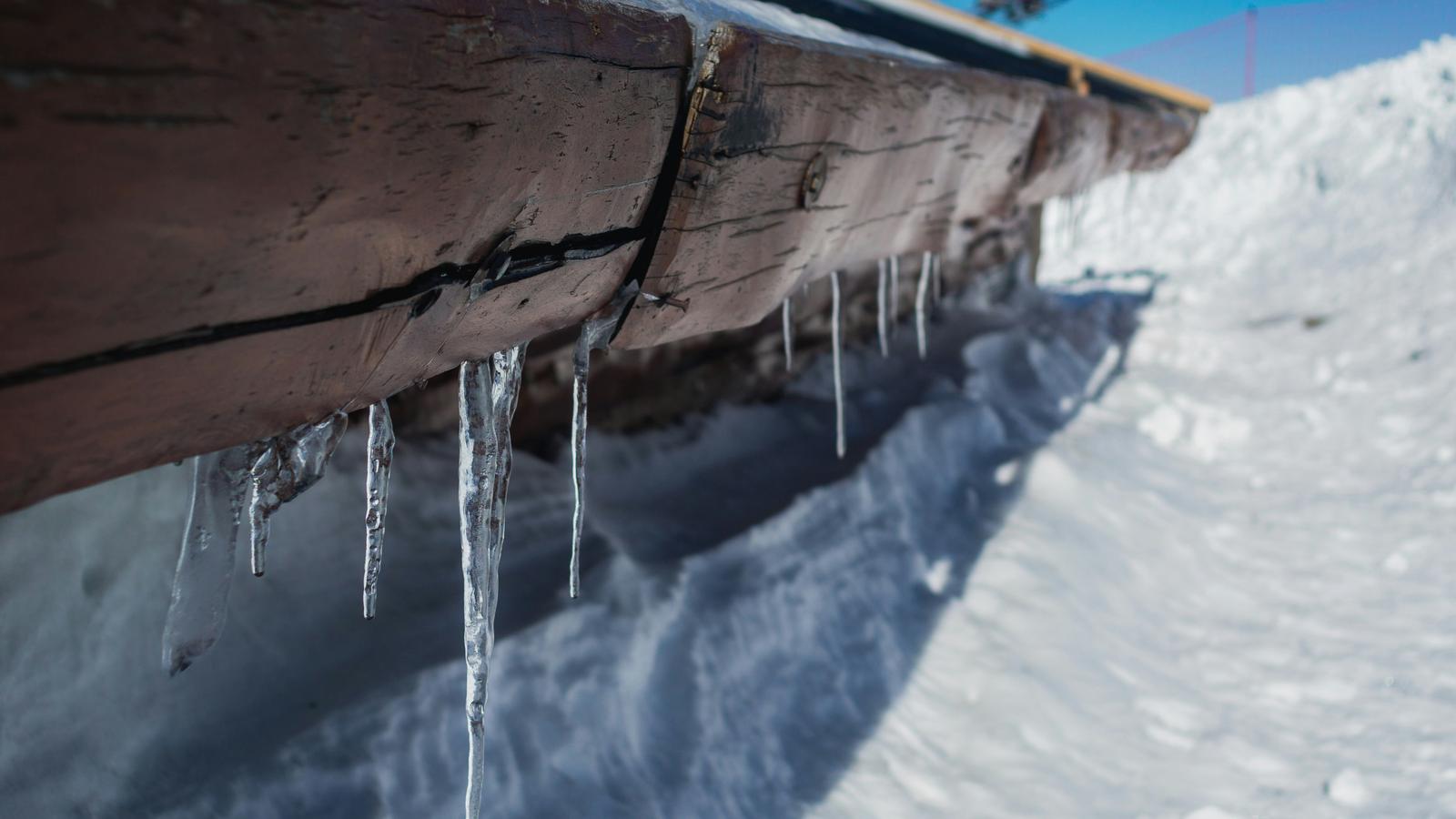
Ice dams are a costly, recurring headache across Denver and the Front Range. After a Colorado winter of freeze–thaw cycles, chinook warm-ups, and heavy spring snows, your roof can be primed for refreezing along the eaves. Here’s how to prevent ice dams before next season—and what to do now to protect your home or commercial property.
What causes ice dams here?
Ice dams form when heat from the building melts snow high on the roof during the day. Meltwater flows to the cold eaves, refreezes, and creates a growing ridge of ice that traps water. That backed-up water can find its way under shingles or flashings and leak inside.
Colorado-specific factors that make dams more likely:
– Large day/night temperature swings and high-altitude sun
– North-facing or shaded roof planes that stay cold
– Heavy, wet spring snow from upslope storms
– Inadequate attic insulation or ventilation
– Clogged gutters/downspouts or poorly sloped low-slope roofs
The prevention plan (residential)
Preventing ice dams is about keeping the roof deck uniformly cold while managing snow and meltwater safely.
1) Seal indoor air leaks first
Warm, moist indoor air escaping into the attic is the root cause of many ice dams.
– Seal penetrations around can lights, bath fans, plumbing stacks, and attic hatches with appropriate fire-rated materials or foam/sealants.
– Extend and seal all bath and kitchen vents to the exterior—never into the attic.
– Weatherstrip and insulate the attic access.
Tip: If you can see gaps, feel drafts, or notice darkened insulation around penetrations, air is leaking.
2) Right-size your attic insulation
Boost insulation after air sealing so less heat reaches the roof deck.
– Aim for code-compliant levels for our climate (often R-49 to R-60 in attics—verify your local requirement).
– Use baffles at the eaves to keep soffit vents clear and maintain an air channel above the insulation.
– Ensure insulation is even; low spots above exterior walls are common trouble areas.
3) Balance roof ventilation
Ventilation helps flush out any heat that escapes and keeps the deck cold.
– Provide continuous soffit intake and a continuous ridge vent where design allows.
– Don’t mix multiple exhaust types on one roof (e.g., ridge plus box/turbine) without a plan—this can short-circuit airflow.
– Keep vents clear of insulation and debris; add baffles at every rafter bay.
4) Manage snow and ice safely
- Use a roof rake from the ground to remove the bottom 3–4 feet of snow after major storms. Never chip ice with metal tools.
- Avoid de-icing salts on shingles; they can damage roofing and landscaping. If melt channels are needed, consult a professional for safe methods.
- Keep gutters and downspouts clean so meltwater can flow.
5) Upgrade vulnerable roof details
When repairing or replacing a roof, build in ice-dam resilience.
– Install an ice-and-water barrier at eaves, valleys, and along penetrations per code/manufacturer specs.
– Ensure proper drip edge and underlayment laps at eaves and rakes.
– Reflash chimneys, skylights, and sidewalls with correct step and counter-flashing.
AC INC. Roofing is an Atlas Pro+ Platinum Certified and GAF Certified contractor, so we can install complete shingle systems with robust leak barriers and offer strong manufacturer-backed warranties (Atlas up to 50 years; GAF System Plus where applicable).
6) Heat cable: use intentionally
Heat trace can help specific trouble spots but shouldn’t replace insulation, air sealing, and ventilation.
– Have a licensed electrician design/install the circuit; use GFCI protection and outdoor-rated cable.
– Target problem eaves, valleys, and gutters—not entire roof planes.
For low-slope and commercial roofs
Ice damming on low-slope roofs looks different but can be just as damaging.
– Ensure drains, scuppers, and gutters are clear and sized correctly; consider heat trace at scuppers/outlets.
– Use tapered insulation to promote positive drainage and eliminate ponding (a major freeze–thaw risk).
– Inspect seams, flashings, and penetrations on TPO, EPDM, or Modified Bitumen systems after storms.
– Schedule professional snow management to prevent membrane damage.
AC INC. Roofing installs and services TPO, EPDM, Modified Bitumen, and fluid-applied coatings for the Denver metro area, the Front Range, and Cheyenne.
Post-winter checklist (do this spring)
- Look for ceiling stains, peeling paint, or musty odors—signs of past ice-dam leaks.
- Check attic for wet insulation, dark sheathing, or frost.
- Photograph any exterior ice damage to gutters, fascia, or shingles.
- Book a professional roof inspection to document conditions and plan fixes before next winter.
Our HAAG-certified inspectors provide free roof inspections with detailed photos and reports. As Colorado’s first roofing company to reach Master HAAG Certification, we’re trained to differentiate wear from storm damage and to document issues thoroughly.
Insurance and storm support
While ice dams are often considered a maintenance issue, storms can worsen damage. AC INC. Roofing specializes in storm damage restoration and insurance claim support. We provide objective documentation to help you navigate your policy and make informed decisions.
Why choose AC INC. Roofing
- Licensed and insured; 5.0-star rated on Google
- Master HAAG Certification; free inspections
- Atlas Pro+ Platinum Certified and GAF Certified contractor
- Directorii-certified (customer guarantee up to $20,000)
- Fortified Roofing Solutions certified: we can design roof systems with sealed roof decks and enhanced wind/hail performance—added resilience that also helps limit water intrusion during extreme events
- Local expertise with Colorado snow loads, hail, and freeze–thaw cycles
Serving homeowners and property managers from Denver and the Front Range to Cheyenne, WY. Office: 6145 Broadway, Suite 25, Denver, CO 80216.
When to call
- Recurring ice dams despite basic maintenance
- Interior leaks, stained ceilings, or wet insulation
- Aging roofs nearing replacement
- Commercial buildings with poor drainage or recurring ponding
Get ahead of next winter with a plan tailored to your roof and budget. Contact Us today.