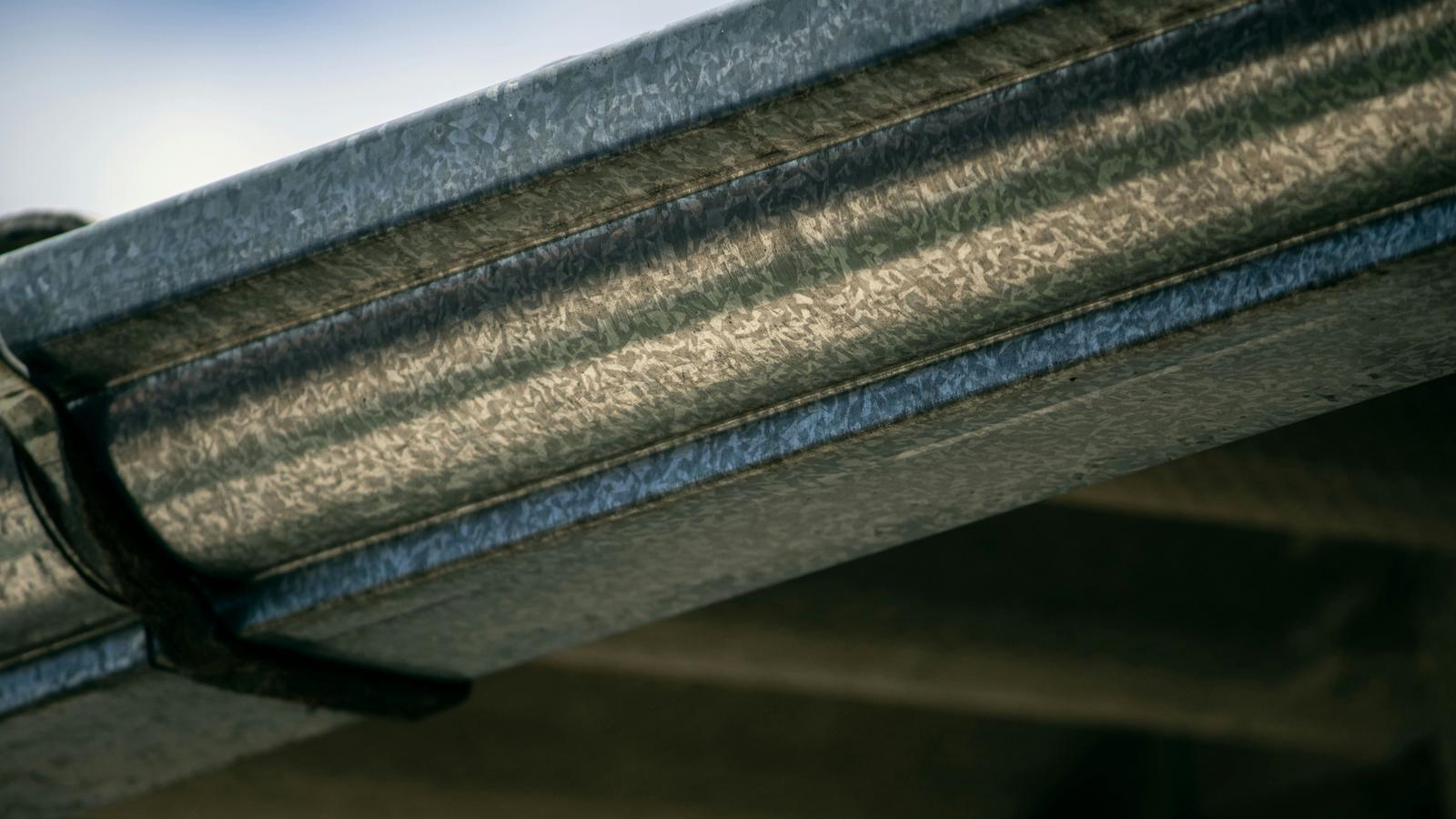
Gutters don’t get much attention—until water shows up in your basement, ice forms on walkways, or siding starts to stain. In Colorado’s Front Range, where intense hail, fast snowmelt, and sudden downpours are common, a well-designed gutter system is one of the hardest-working parts of your exterior.
AC INC. Roofing (Advanced Consulting, Inc.) installs and services gutters as part of complete roofing and exterior solutions for homes and commercial properties across the Denver metro, Front Range, and Cheyenne, WY. Here’s how gutters quietly safeguard your property—and what to do to keep them performing year after year.
What Gutters Really Do (Beyond Catching Rain)
- Protect your foundation and basement: By channeling water at least several feet away from the house, gutters reduce soil saturation, erosion, and hydrostatic pressure against foundation walls that can cause seepage and cracks.
- Save your siding, fascia, and soffits: Properly sized, sloped, and sealed gutters prevent water from running behind the fascia or down exterior walls, where it stains, warps, and rots materials.
- Preserve your roof edge: Gutters work with drip edge and starter shingles to move water off the roof without wicking back under shingles—important in high-wind, wind-driven-rain events.
- Control ice hazards: Gutters don’t cause ice dams (those stem from heat loss and ventilation issues), but clean, correctly pitched gutters help carry meltwater away so it doesn’t freeze into heavy icicles at the eaves or on walkways below.
- Protect landscaping and hardscapes: Splashback from roof runoff erodes mulch, compacts soil, and stains concrete; downspouts and extensions direct water where it belongs.
Front Range Weather: Unique Demands on Your Gutters
- Hail and wind: Dented, loosened, or deformed gutters and downspouts are common after hailstorms. Look for impact marks, pulled fasteners, or seams that begin to leak.
- Snow and freeze–thaw: Snow sitting in troughs, followed by sunny melt and overnight refreeze, stresses seams and sealant. Heavy, wet spring snow can sag poorly supported runs.
- Intense cloudbursts: High-volume summer storms can overwhelm undersized or clogged gutters, leading to overflows at inside corners and valleys.
- Debris loads: Pine needles and urban tree litter build up quickly, especially near the foothills or in mature neighborhoods.
If a storm hits, AC INC. Roofing’s HAAG-certified inspectors provide free roof and gutter inspections and full storm-damage restoration and insurance claims support. Our team documents damage thoroughly to help you move from claim to completion with confidence.
Sizing, Slope, and Setup: Best Practices for Colorado Homes
- Choose the right capacity: Many homes use 5-inch K-style gutters; steep roofs, long eave runs, or areas with frequent cloudbursts often benefit from 6-inch capacity and larger 3×4 downspouts to move water faster.
- Add enough downspouts: Long runs usually need more than one downspout. Position them at natural low points and inside corners where multiple roof planes feed water.
- Set the correct pitch: A subtle slope—about 1/16 to 1/8 inch per foot—keeps water moving without looking slanted. Standing water accelerates corrosion and ice.
- Extend the discharge: Use solid extensions or underground leaders to carry water 5–10 feet from the foundation. Splash blocks are a minimum; extensions are better in clay soils or near window wells.
- Use robust hangers: Hidden hangers with exterior-grade screws typically outperform spikes in wind and snow. Space hangers closer (24–36 inches) and especially near corners.
- Integrate with the roof edge: Proper drip edge and, where needed, a gutter apron help prevent water from tracking behind the gutter and damaging the fascia.
- Consider protection where it makes sense: In heavy tree cover, gutter protection systems can reduce clogs. Discuss options that balance debris type (needles vs. leaves), roof pitch, and serviceability.
Maintenance You Can Schedule (and When to Call a Pro)
- Clean twice a year: After fall leaf drop and again in spring after the last freeze. In tree-dense lots, check quarterly.
- Flush and test: Use a garden hose to confirm flow to each downspout and verify there’s no standing water in troughs.
- Inspect after storms: Look for dents, loose brackets, separated seams, and granule buildup in gutters (a sign of hail-worn shingles).
- Check for telltales on the ground: Soil washouts below eaves, peeling paint on siding, or mildew at foundation lines point to overflow problems.
- Stay safe: Avoid ladders on ice or in high winds. If you see sagging sections, detached downspouts, or water inside, schedule a professional assessment.
AC INC. Roofing provides free inspections by HAAG-certified pros. We’ll evaluate your roof-to-gutter connection, outline repair vs. replacement options, and, if storm-related, help document everything for your insurance carrier.
Repair or Replace? Making the Call
- Good candidates for repair: Minor seam leaks, a few loose hangers, missing end caps, or a single damaged elbow/downspout section.
- Time to replace or upsize: Chronic overflow in cloudbursts, widespread hail denting that holds water, repeated seam failures, extensive corrosion, or gutters that are undersized for your roof area and pitch.
- Coordinate with roof work: Replacing the roof? It’s the ideal time to address gutters, drip edge, and flashing together so the entire system is integrated and warrantable.
Why Homeowners Choose AC INC. Roofing
- Local, credentialed expertise: Based in Denver (6145 Broadway, Suite 25, Denver, CO 80216), serving the Denver metro, Front Range, and Cheyenne, WY. Licensed and insured with a 5.0-star Google rating.
- Industry-leading certifications: Master HAAG Certification (Colorado’s first to reach Master level), Atlas Pro+ Platinum Certified (qualifying roof systems for up to 50-year warranties), GAF Certified contractor (System Plus warranties available), Directorii-certified (backed by up to $20,000 customer guarantee).
- Built for severe weather: Our Fortified Roofing Solutions certification reflects our focus on resilient systems designed to stand up to high winds and hail—ideal for Colorado’s climate.
- Seamless service and advocacy: From roof inspections and repairs to storm-damage restoration, insurance claims support, and siding and gutter installation, we deliver thorough documentation, clear communication, and dependable results.
Protecting your foundation, siding, and roof edge starts with gutters that are correctly sized, securely fastened, and well maintained—and with a contractor who understands Front Range weather.