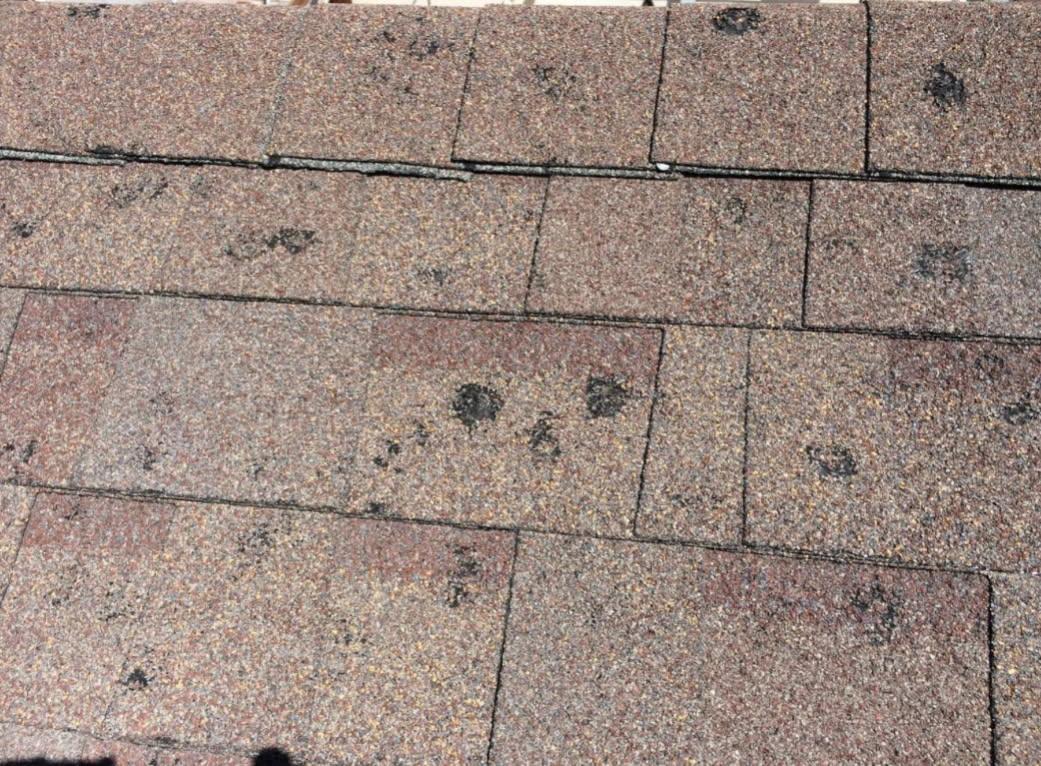
Hail damage vs. normal roof wear is one of the most common questions homeowners and property managers ask in fall, especially after a summer of Colorado and Wyoming storms. The difference matters because hail damage can shorten roof life, create hidden leaks, and affect an insurance claim, while normal aging usually points to maintenance or planned roof replacement. In the fall, cooler weather and lower sun angles often make roof issues easier to spot—but it is still important to have damage documented correctly.
Why this question comes up so often in fall
By the time fall arrives, many roofs across the Front Range, Cheyenne, Laramie, and Pine Bluffs have already been through hail, wind, heat, and UV exposure. Property owners start cleaning gutters, checking attics, and noticing signs that were easy to miss during summer.
Fall is also when people try to answer practical questions like:
- Is this roof actually storm-damaged?
- Is it just showing its age?
- Should I repair a few areas or start planning a roof replacement?
- Is this something I should document for an insurance claim?
Those are important distinctions, because hail damage and normal wear do not look the same, progress the same way, or get handled the same way.
What normal roof wear usually looks like
Normal wear happens gradually. It is the result of age, sun exposure, temperature swings, drainage patterns, and routine expansion and contraction over time.
Common signs of normal aging
On asphalt shingle roofs, normal wear often includes:
- General granule loss spread fairly evenly across the roof
- Minor curling or cupping on older shingles
- Fading color from UV exposure
- Brittleness as shingles age
- Wear concentrated in high-flow water areas
- Small maintenance issues around flashing, pipe boots, or sealants
On other roofing systems, normal wear may show up as:
- Surface weathering on metal panels
- Aging sealant at penetrations or terminations
- Membrane shrinkage or seam fatigue on low-slope roofs
- Expansion-related movement around rooftop equipment
The key point is that normal wear tends to be consistent and gradual, not random and sudden.
What hail damage usually looks like
Hail damage is different because it comes from impact. Instead of slow, even aging, you are looking for signs of strikes that bruise, crack, fracture, or displace roofing material.
Signs of hail damage on asphalt shingles
Hail-damaged shingles may show:
- Random impact marks with no repeating pattern
- Dark spots where granules have been knocked off
- Soft bruises that feel spongy when inspected closely
- Circular or irregular hits scattered across slopes
- Fresh-looking asphalt exposure in isolated spots
- Cracks associated with impact points
Not every roof will show obvious damage from the ground. Some hail hits are subtle, and some only become clear during a close inspection.
Signs on metal, gutters, and accessories
Hail often leaves clues on soft metals and exterior components before the roof field tells the whole story. Look for:
- Dents on gutters, downspouts, and gutter screens
- Dings in metal flashing, vents, and ridge caps
- Damage to window screens or painted exterior surfaces
- Splatter marks or impact signs on HVAC fins and coil guards
These collateral indicators do not prove the roof needs replacement by themselves, but they help establish whether a storm event likely affected the property.
Signs on commercial and low-slope roofs
Commercial systems can be harder for an untrained eye to evaluate. Depending on the material, hail may cause:
- Punctures or fractures in membrane surfaces
- Crushed insulation below the membrane
- Granule displacement on modified bitumen caps
- Damage at seams, flashings, or roof-mounted equipment areas
If you manage a commercial property, it is smart to schedule a documented inspection through a contractor experienced with commercial roofing services, especially after a severe storm.
The easiest ways to tell the difference
If you are trying to sort out hail damage vs. normal roof wear this fall, focus on the pattern, timing, and location of what you see.
1. Look at the pattern
Normal wear is usually even, broad, and predictable.
Hail damage is usually scattered, random, and impact-based.
For example:
- If the whole roof looks uniformly older, that points more toward wear.
- If one or more slopes have isolated strike marks and nearby soft metals are dented, that points more toward hail damage.
2. Think about timing
If roof issues appeared after a known storm, hail becomes more likely. If the roof has been slowly declining over several seasons, aging may be the more accurate explanation.
That said, some hail damage is not noticed right away. Fall inspections often uncover summer storm damage that was missed when weather was active and homeowners were not on the roof line looking for details.
3. Check related materials
A roof does not exist by itself. Gutters, flashing, siding, vents, and screens can help tell the story.
If you see:
- Dented gutters
- Marked downspouts
- Impacted metal vents
- Damage to siding or screens
there is a stronger chance your roof also took hail hits. If you are concerned about the full exterior envelope, it may help to review hail damage services or broader residential roofing services.
4. Pay attention to slope exposure
Not all slopes get hit the same way. Storm direction, wind, and roof geometry can make damage heavier on one side of the building than another. Normal wear is usually less selective.
5. Be careful with granule loss assumptions
Granule loss alone does not always mean hail. Older shingles naturally lose granules over time. The difference is whether the loss appears as random fresh impact zones or as steady aging across the roof.
Why misidentifying the problem causes trouble
The biggest risk is going the wrong direction too early.
If hail damage gets written off as normal wear:
- Hidden damage may worsen through freeze-thaw cycles
- Small breaches can turn into interior leaks
- Documentation for an insurance claim may become harder later
- Repairs may address symptoms without addressing the cause
If normal wear gets mistaken for hail damage:
- Expectations around an insurance claim may not match the actual roof condition
- Needed maintenance may be delayed
- A roof near the end of service life may continue deteriorating into winter
A good inspection should separate storm damage from age-related wear as clearly as possible.
Why fall is a smart time for a roof inspection
Fall is one of the best times to inspect a roof in Colorado and Wyoming. The weather is generally more workable, and you still have time to address problems before ice, snow, and winter winds add stress.
Benefits of a fall inspection include:
- Catching summer hail damage before winter
- Identifying repair needs at flashing, vents, and sealants
- Planning a roof replacement on a realistic timeline
- Getting documentation together if an insurance claim is appropriate
- Checking gutters and drainage before snowmelt season
For property owners comparing repair and replacement options, our pricing page and roof repair pricing page can help set expectations.
What a professional inspection should include
A proper hail evaluation is more than a quick glance from the driveway. Especially in hail-prone markets like the Front Range and Cheyenne area, documentation matters.
A thorough inspection typically includes:
- Review of the roof’s age and visible condition
- Examination of multiple slopes, not just the easiest one to see
- Assessment of shingles or membrane surfaces for impact damage
- Inspection of gutters, flashing, vents, and other soft metals
- Notes on collateral indicators around the property
- Photos that help distinguish wear from storm-related damage
- Clear recommendations for repair, monitoring, or replacement
This is where experienced storm documentation makes a difference. The goal is not to force a claim or force a replacement. It is to identify the actual condition of the roof and explain the next reasonable step.
What you should do if you suspect hail damage
If you think your roof may have hail damage this fall, keep the process simple:
- Do a ground-level check. Look for dents on gutters, downspouts, vents, or screens.
- Check inside the building. Watch for new water stains, attic moisture, or draft changes.
- Take photos of obvious exterior signs. This helps preserve what you noticed.
- Avoid making assumptions from one shingle or one spot. Roof conditions need context.
- Schedule a professional inspection. Especially if your property was in a recent storm path.
If the roof is older, it is also possible that both conditions are present: a roof can have normal aging and hail damage at the same time. That is another reason a trained inspection matters.
For homes and commercial properties, the answer may differ
Homeowners often focus on shingles, leaks, and whether insurance may help with replacement. Commercial property managers may be dealing with membranes, rooftop equipment, drainage performance, tenant concerns, and maintenance records.
Either way, the core question is the same: Is this sudden storm impact, gradual wear, or a mix of both? The right answer affects budget, scope, timing, and documentation.
Next step
If you are trying to tell whether you have hail damage or normal roof wear this fall, AC INC. Roofing can help with a clear, no-pressure inspection. We serve homeowners and commercial properties across Colorado and Wyoming, including Cheyenne. Contact us to schedule a free inspection or estimate through our contact page.