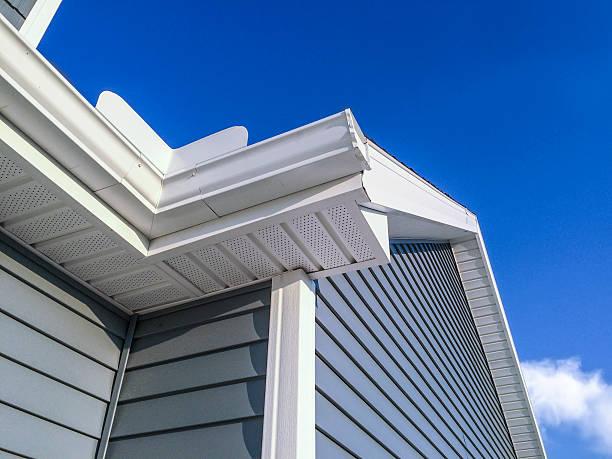
Welcome to AC INC. Roofing’s comprehensive guide on gutter sizing! Proper gutter sizing is essential for effective water management and protecting your home from potential water damage. In this guide, we’ll dive into the critical factors that influence gutter sizing, including local rainfall and roof pitch. By the end, you’ll have a clear understanding of how to choose the right gutters for your home.
Understanding the Importance of Gutter Sizing
Gutters play a crucial role in directing rainwater away from your home, protecting your foundation, siding, and landscaping. Improperly sized gutters can lead to overflow, water damage, and costly repairs. Therefore, matching your gutters’ capacity with your local rainfall and roof pitch is imperative.
Key Factors in Gutter Sizing
1. Local Rainfall
The first step in sizing your gutters is understanding the amount of rainfall your area experiences. This information is typically available through your local weather service or online databases. Consider the average annual rainfall and peak intensity during storms. This data helps determine the volume of water your gutters need to handle.
2. Roof Pitch
The pitch, or steepness, of your roof, directly affects how quickly water flows into your gutters. A steeper roof will channel water more rapidly, necessitating larger or more efficiently designed gutters. Conversely, a flatter roof may allow for smaller gutters, as water runoff is slower.
Calculating Gutter Size
To calculate the appropriate gutter size, follow these steps:
Step 1: Calculate Roof Area
First, determine your roof’s total surface area. Measure the length and width of each section, then multiply these dimensions to find the area. Add all sections together for the total roof area.
Step 2: Determine Rainfall Intensity
Refer to local resources to find the maximum rainfall intensity, typically measured in inches per hour. This figure represents the heaviest expected rainfall in your area.
Step 3: Apply Roof Pitch Factor
Adjust your calculations with a roof pitch factor. Steeper roofs require larger gutters. Use the following factors:
- Flat to 3:12 pitch: Multiply by 1.0
- 4:12 to 5:12 pitch: Multiply by 1.05
- 6:12 to 8:12 pitch: Multiply by 1.1
- 9:12 to 11:12 pitch: Multiply by 1.2
- 12:12 or steeper pitch: Multiply by 1.3
Step 4: Use Gutter Sizing Formula
Finally, apply the formula:
Gutter Size (in square inches) = (Roof Area (square feet) × Rainfall Intensity (inches/hour) × Roof Pitch Factor) ÷ 600
The result will guide you in selecting the appropriate gutter size.
Additional Considerations
Gutter Material
While sizing is vital, the material of your gutters also impacts performance. Choose materials like aluminum, copper, or galvanized steel based on durability, aesthetic preference, and budget.
Maintenance
Regular maintenance ensures your gutters remain effective. Clean them seasonally, check for leaks, and ensure downspouts are clear.
Professional Installation
For optimal performance, consider professional installation. At AC INC. Roofing, we offer expert gutter services tailored to your specific needs.
Conclusion
Proper gutter sizing, based on local rainfall and roof pitch, is essential for safeguarding your home from water damage. By following this guide, you’ll be equipped to make informed decisions that ensure your gutters perform efficiently, protecting your investment for years to come. For further assistance or professional installation, Contact Us today. We’re here to help with all your roofing needs!