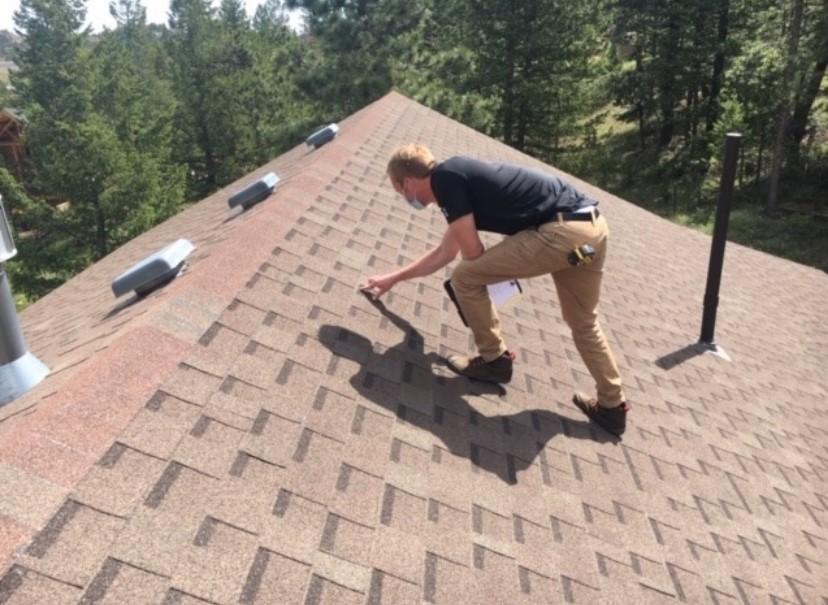
A free roof inspection Denver homeowners can trust should answer one simple question: is your roof in good shape, or is there damage that needs attention? A proper inspection is more than a quick glance from the ground. It should include a close exterior assessment, signs of leaks or attic-related problems, clear documentation of hail and wind damage, and insurance-ready photos if storm damage is found. That matters in Denver because hail, heavy wind, and fast weather swings can shorten roof life, trigger leaks, and complicate an insurance claim if damage is missed or poorly documented.
What a free roof inspection should include
Not every “free inspection” is the same. Some companies offer little more than a sales visit. A useful inspection should give you clear information about the roof’s condition, whether you need a repair, monitoring, or a full roof replacement.
Here’s what homeowners should expect.
1. Exterior roof assessment
The exterior inspection is the core of the visit. The inspector should assess the roofing system, not just the shingles.
This usually includes checking:
- Shingles or other roofing material for wear, granule loss, bruising, cracking, or lifted tabs
- Flashing around chimneys, vents, skylights, and roof-to-wall transitions
- Ridge caps and hips for impact damage or wind-related movement
- Valleys and other high-flow areas where leaks often start
- Roof penetrations such as pipe boots, furnace vents, and exhaust caps
- Gutters and downspouts for denting, granule buildup, drainage issues, or signs of overflow
- Fascia, soffit, and visible trim where water intrusion may show up first
If the property has a steeper roof or a complex layout, the inspector may use additional safety equipment or document certain areas by photo if direct access is limited. The point is to inspect the roof thoroughly and safely, not rush through it.
2. Hail damage review
In the Front Range, hail damage is one of the main reasons people request an inspection. A trained inspector should know the difference between normal aging and storm-related impacts.
During a hail damage inspection, they may look for:
- Impact marks on shingles, soft metals, vents, and flashing
- Granule displacement that exposes the asphalt layer beneath
- Circular bruising or fractures in the shingle mat
- Damage patterns on gutters, downspouts, window screens, or AC fins that support the storm story
This part matters because hail damage is not always obvious from the ground. A roof can look “fine” from the driveway and still have enough impact damage to justify repairs or support an insurance claim. If you suspect storm damage, a dedicated hail damage inspection is often the right next step.
3. Wind damage review
Denver-area storms also bring strong wind that can break seals, lift shingles, or damage flashing. Wind damage may be dramatic, but it can also be subtle.
A proper inspection should note:
- Creased, lifted, or missing shingles
- Exposed nail heads or broken seal strips
- Shifted flashing at walls, chimneys, and penetrations
- Loose ridge material
- Debris impact or branch-related damage
Even minor wind damage can create an opening for water if it is not repaired quickly.
4. Attic and leak indicators, when accessible
Homeowners are often surprised to learn that roof problems do not always announce themselves with a ceiling drip. Some of the best clues are inside the home or attic.
If attic access is available and safe, an inspection may include looking for:
- Water staining on decking or framing
- Damp insulation or compressed insulation from repeated moisture
- Daylight showing through where it should not
- Signs of poor ventilation, such as excess heat or moisture buildup
- Mold-like staining or musty odors related to trapped moisture
Inside the living space, leak indicators can include:
- Ceiling stains
- Bubbling paint or drywall texture
- Wall discoloration near rooflines or around chimneys
- Intermittent drips after wind-driven rain
These signs help connect exterior conditions to what is happening inside the structure.
5. Insurance-ready photos and documentation
One of the most valuable parts of a free inspection is the documentation. If damage is present, you should receive clear photos and a straightforward explanation of what was found.
Good inspection documentation often includes:
- Overview photos of each roof slope
- Close-up photos of damaged shingles, flashing, vents, or metals
- Notes describing the likely cause of damage
- Supporting photos from gutters, soft metals, siding, or screens when relevant
- A summary of whether the roof appears repairable or may need replacement
This is especially important if you plan to file an insurance claim. Carriers expect organized, consistent documentation. At AC INC. Roofing, our HAAG Certified Master Inspectors document storm damage the way insurance carriers expect, which helps reduce confusion and missed details.
What “free” and “no obligation” should mean
Homeowners are right to be skeptical. “Free inspection” can sound like a setup for a hard sales pitch. A legitimate no-obligation inspection should mean:
- You do not pay for the inspection itself
- You get an honest assessment of current roof conditions
- You are told if the issue appears minor, monitorable, repairable, or serious
- You can ask questions without pressure to sign a contract on the spot
- If work is recommended, you receive next-step options
Sometimes the outcome is that no immediate roof replacement is needed. In other cases, the inspector may recommend a repair, maintenance, or full replacement based on the roof’s condition. The value is in getting a professional opinion before a small issue becomes expensive.
If repairs are the likely path, it also helps to understand typical repair ranges and scope. You can review more at /pricing/repairs.
When to book a free roof inspection in Denver
The best time to book is not only when you see a leak. Many roof issues are easier to deal with when caught early.
After a hailstorm or high-wind event
This is the most common reason to schedule an inspection. If your neighborhood took hail, even if your roof looks normal from the ground, it is smart to get it checked. Storm damage can affect shingles, vents, flashing, gutters, and siding at the same time.
Before listing your home for sale
A pre-listing inspection can help you avoid surprises during buyer due diligence. If there is damage or age-related wear, you can decide whether to repair it, disclose it, or prepare for negotiation. That is often better than scrambling after the buyer’s inspector raises concerns.
After you notice signs inside the home
Book an inspection if you see:
- Water stains on ceilings or walls
- Drips in the attic or top-floor rooms
- Missing shingles in the yard
- Granules collecting in gutters
- Higher concern after a recent storm
If your roof is aging
Even without a specific storm event, an older roof should be reviewed periodically. Wear from sun, freeze-thaw cycles, and wind can add up over time, especially in Colorado’s climate.
What happens after the inspection
Once the inspection is complete, you should get a plain-English summary of findings and recommendations.
Typical outcomes include:
- No action needed now: the roof is in serviceable condition, with no meaningful storm damage or active leak concern
- Minor repair recommended: a small issue such as flashing, a few shingles, or a vent detail needs correction
- Monitor specific areas: there is wear to watch, but not enough to justify immediate work
- Insurance claim may be appropriate: documented hail or wind damage appears significant enough to report
- Roof replacement should be considered: damage or overall condition suggests repairs may not be the best long-term choice
If replacement is the likely next step, you can compare project scope and planning information at /pricing. For homeowners exploring broader exterior work, AC INC. also handles residential roofing services. Property managers and owners can learn more about commercial roofing services.
Questions to ask during a free roof inspection
If you want to make the most of the appointment, ask:
- Did you find storm damage, normal aging, or both?
- Are there active leak risks right now?
- Is this a repair situation or a replacement situation?
- Can you show me photos of the problem areas?
- If I file an insurance claim, what documentation will I have?
- Are gutters, flashing, or siding showing related damage?
- What should I address first if I am not ready for a larger project?
These questions help turn the inspection into a useful decision-making tool, not just a sales conversation.
Why local experience matters in Denver
Denver roofs deal with hail, wind, UV exposure, and sharp temperature swings. That combination can make damage harder to interpret if the inspector is not familiar with local storm patterns and roofing systems commonly used along the Front Range.
A local contractor should understand:
- How hail damage typically presents on common residential roofing materials
- What wind events do to shingles, flashing, and roof accessories
- How to document findings clearly for homeowners and carriers
- Why nearby exterior clues like gutter dents or screen impacts matter
That local perspective is one reason homeowners call after storms, before listing a home, or when a roof simply needs a professional second look.
Next step
If you want a clear, no-pressure answer about your roof, schedule a free inspection with AC INC. Roofing. We inspect for exterior wear, leak indicators, hail and wind damage, and provide photo documentation you can actually use. To request a visit in Denver or across the Front Range, contact us.