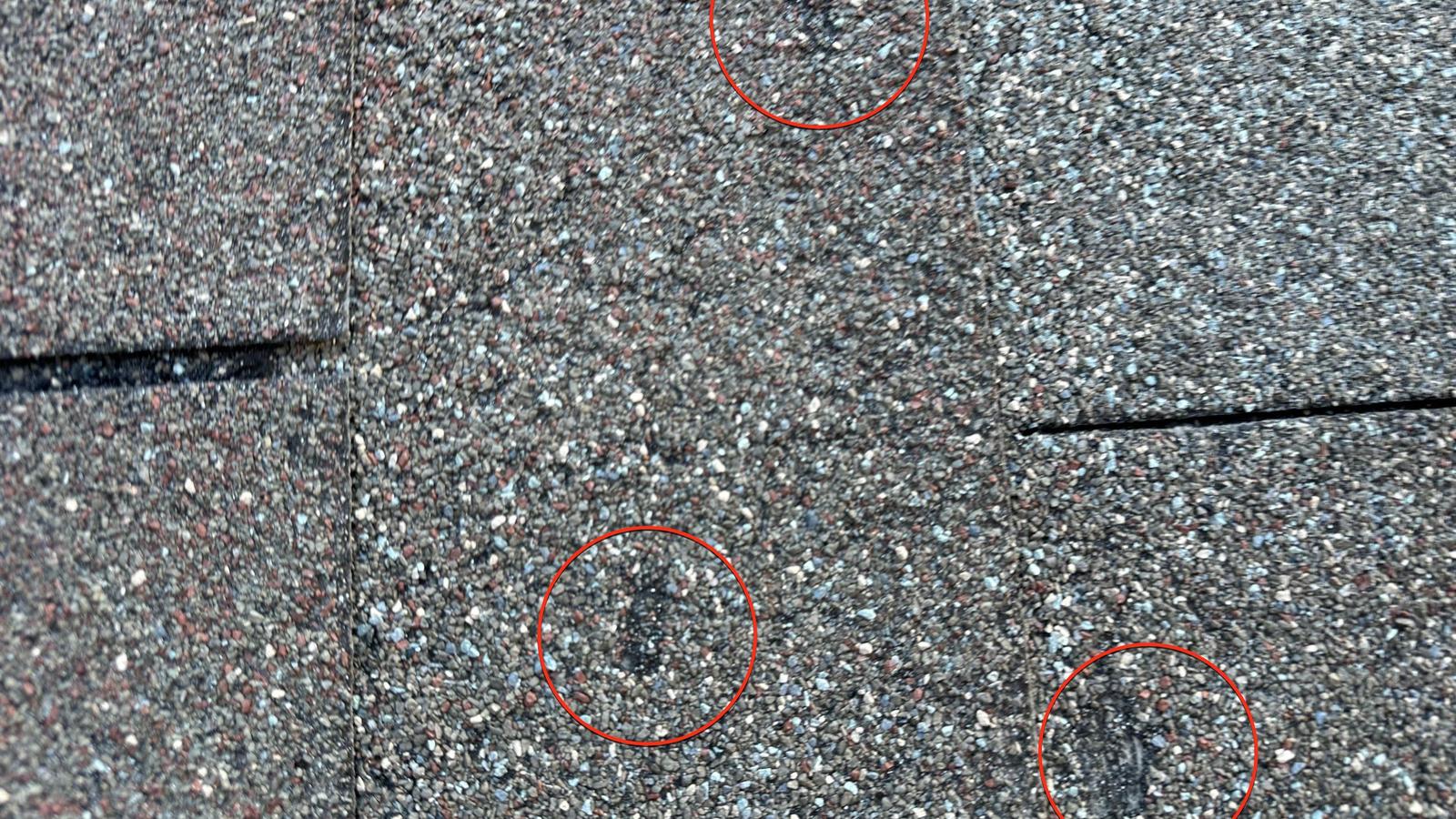
If you need emergency roof repair Denver homeowners can count on, the first priorities are safety, stopping active water intrusion, and documenting storm damage before temporary and permanent repairs begin. After hail, high wind, or a sudden roof leak, quick action helps limit interior damage, protects your insurance claim, and gives your roofer a clear starting point for repairs or full roof replacement if needed.
What counts as a roofing emergency?
Not every roof problem is an emergency, but some situations need same-day attention. A roofing emergency usually means the roof has been damaged enough to let water in, expose the home to the elements, or create an immediate safety risk.
Common examples include:
- Active leaks dripping into living spaces, attics, or electrical areas
- Missing shingles or exposed underlayment after wind
- Hail damage severe enough to crack materials or puncture weak spots
- Tree limbs or debris impacting the roof
- Flashing failure around chimneys, vents, or skylights
- Sagging areas that may indicate structural stress
- Gutters or downspouts ripped loose in a storm, contributing to water intrusion
In the Denver metro, hail and wind often work together. Hail can bruise or fracture shingles, and then the next wind event lifts those weakened areas and opens the roof further. That is why emergency stabilization matters even when damage does not look dramatic from the ground.
Step 1: Put safety first
Before you think about tarps, photos, or calling insurance, make sure everyone in the home is safe.
What to do right away
- Stay off the roof. Wet surfaces, hail impact, and hidden structural damage make DIY inspection dangerous.
- Keep children and pets away from leak areas and fallen debris.
- If water is near light fixtures, outlets, or electrical panels, turn off power to affected areas if you can do so safely.
- Move furniture, electronics, rugs, and valuables away from the leak path.
- Use buckets, towels, or plastic bins to catch dripping water.
- If the ceiling is bulging with trapped water, do not ignore it. That can collapse. In some cases, controlled draining by a professional is the safest option.
If a tree strike, partial collapse, or severe structural issue is involved, leave the house and call emergency services before calling a roofer.
Step 2: Limit interior damage
Once the immediate area is safe, your goal is to reduce water damage until a roofer can stabilize the roof.
Practical steps include:
- Place containers under active drips
- Put down tarps or plastic sheeting over flooring and furniture
- Remove wall art or items from shelves on affected walls
- Take damp items to a dry area with airflow
- Run fans or dehumidifiers if it is safe to do so
These small steps matter. Water entering through the roof can spread behind walls, into insulation, and along framing. What starts as a small ceiling stain can turn into a much larger repair if the leak is allowed to continue overnight or through another storm.
Step 3: Document the damage clearly
Good documentation helps both your roofing contractor and your insurance carrier understand what happened. This is especially important after hail damage or wind damage, where the full extent is not always obvious from inside the house.
What to photograph
Take clear photos and video of:
- Interior leaks, stains, bubbling paint, and damaged ceilings
- Wet insulation in the attic if it is safe to access
- Fallen shingles, flashing pieces, or storm debris on the ground
- Dented gutters, downspouts, soft metals, and window screens after hail
- Any visible exterior damage you can capture safely from the ground
What to write down
Make a quick record of:
- Date and approximate time the damage started
- Type of storm event, such as hail, wind, or heavy rain
- Rooms affected by leaking or water intrusion
- Temporary steps you took to reduce damage
Do not throw away damaged materials if they can be safely saved. In some cases, they help support the insurance claim.
Step 4: Call a qualified roofer quickly
This is the point where many homeowners lose time. They wait for the next business day, hope the leak stops on its own, or call a handyman who is not equipped to assess storm damage properly.
For emergency roof repair, you want a contractor who can do two things:
- Stabilize the roof quickly to prevent more damage
- Inspect and document the cause and extent of damage accurately
At AC INC Roofing, that means fast-response emergency stabilization and a professional inspection for both temporary and permanent solutions across the Denver metro. As HAAG Certified Master Inspectors, we document hail damage and storm-related issues the way insurance carriers expect to see them.
If you need help now, start here: /contact
Step 5: Understand temporary repairs vs. permanent repairs
After a storm, many roofs need immediate protection first and a final repair plan second. That is normal.
Temporary stabilization may include
- Professional roof tarping
- Sealing exposed penetrations
- Securing or replacing missing shingles in small areas
- Emergency flashing protection
- Clearing damaging debris from the roof surface
Temporary repairs are meant to stop ongoing water intrusion. They are not always the final fix.
Permanent repairs may include
- Targeted shingle or flashing repair
- Leak-source correction around vents, chimneys, or skylights
- Gutter and drainage repairs
- Section replacement where storm damage is concentrated
- Full roof replacement if damage is widespread or the system is at end of life
If you are not sure whether your roof needs a repair or replacement, a proper storm inspection is the right next step. Learn more about residential roofing services.
Step 6: Be careful with insurance claim timing
After major hail or wind events in Denver, many homeowners wonder whether they should call the insurance company first or the roofer first. In most cases, it helps to have a qualified roofer inspect the property as early as possible so the damage can be documented accurately.
That does not mean delaying your claim. It means making sure you have good information.
A smart approach is:
- Stop active damage with emergency stabilization
- Schedule a professional inspection
- Review the findings and supporting photos
- File your claim promptly if storm damage appears covered
- Keep records of mitigation efforts and interior damage
Insurance carriers generally expect homeowners to take reasonable steps to prevent further loss. Fast tarping and leak control support that obligation.
For storm-related inspections and documentation, visit hail damage services.
Should you tarp a roof yourself?
In most cases, no. Homeowner tarping sounds simple, but after a hailstorm or wind event it can be risky and sometimes makes the problem worse.
DIY tarping can lead to:
- Falls from slick or unstable roof surfaces
- Improper fastening that causes more shingle damage
- Incomplete coverage that still allows water in
- Poor documentation of the original storm damage
If the leak is urgent, the safer move is to protect the interior from below and call a roofer for emergency stabilization. The cost of professional emergency work is often far less than the cost of added water damage from a failed DIY patch.
Signs you should call immediately
Some storm issues can wait a short time for an inspection. Others need immediate attention.
Call for emergency roof repair right away if you notice:
- Water actively entering the home
- Ceiling bulges or sagging drywall
- Pieces of roofing material on the ground after wind
- Exposed decking or underlayment
- Sudden leaks around chimneys, vents, or skylights
- Hail impact followed by interior water staining
- Commercial roof ponding or membrane damage
If you manage a business, multi-family property, or other larger building, quick action is just as important. See commercial roofing services.
What to expect from a professional emergency roof visit
A qualified roofer should do more than glance at the leak and leave a tarp behind.
A thorough emergency response usually includes:
- A safety-focused site assessment
- Identification of likely entry points and related damage
- Temporary stabilization to reduce further water intrusion
- Photo documentation of storm and leak damage
- Recommendations for repair versus replacement
- Guidance on next steps for insurance and scheduling
If the roof is repairable, you may receive a repair scope after the area is stabilized. If the damage is broader, your roofer should explain why replacement may be the more reliable long-term solution.
You can also review general roofing pricing information or roof repair pricing if you want a better sense of how repair scopes are typically built.
Why local experience matters in Denver
Storm damage in the Front Range is different from slow wear-and-tear roofing issues. Denver sits in a high-risk hail and wind corridor, and roofs here often take repeated impacts over time. A local contractor understands how those storms affect shingles, flashing, gutters, siding, and low-slope systems.
That matters for two reasons:
- Emergency stabilization needs to be done with the next weather event in mind
- Storm documentation needs to be specific enough to support a clear repair or claim path
AC INC Roofing serves the Denver metro and Colorado Front Range with emergency response, storm inspections, repairs, and replacements backed by HAAG-level inspection standards.
Next step
If your home has storm damage or an active leak, do not wait for the next round of weather to make the problem bigger. Contact AC INC Roofing for a free inspection or estimate, and we will help you stabilize the roof, document the damage, and plan the right permanent repair. Start here: /contact.