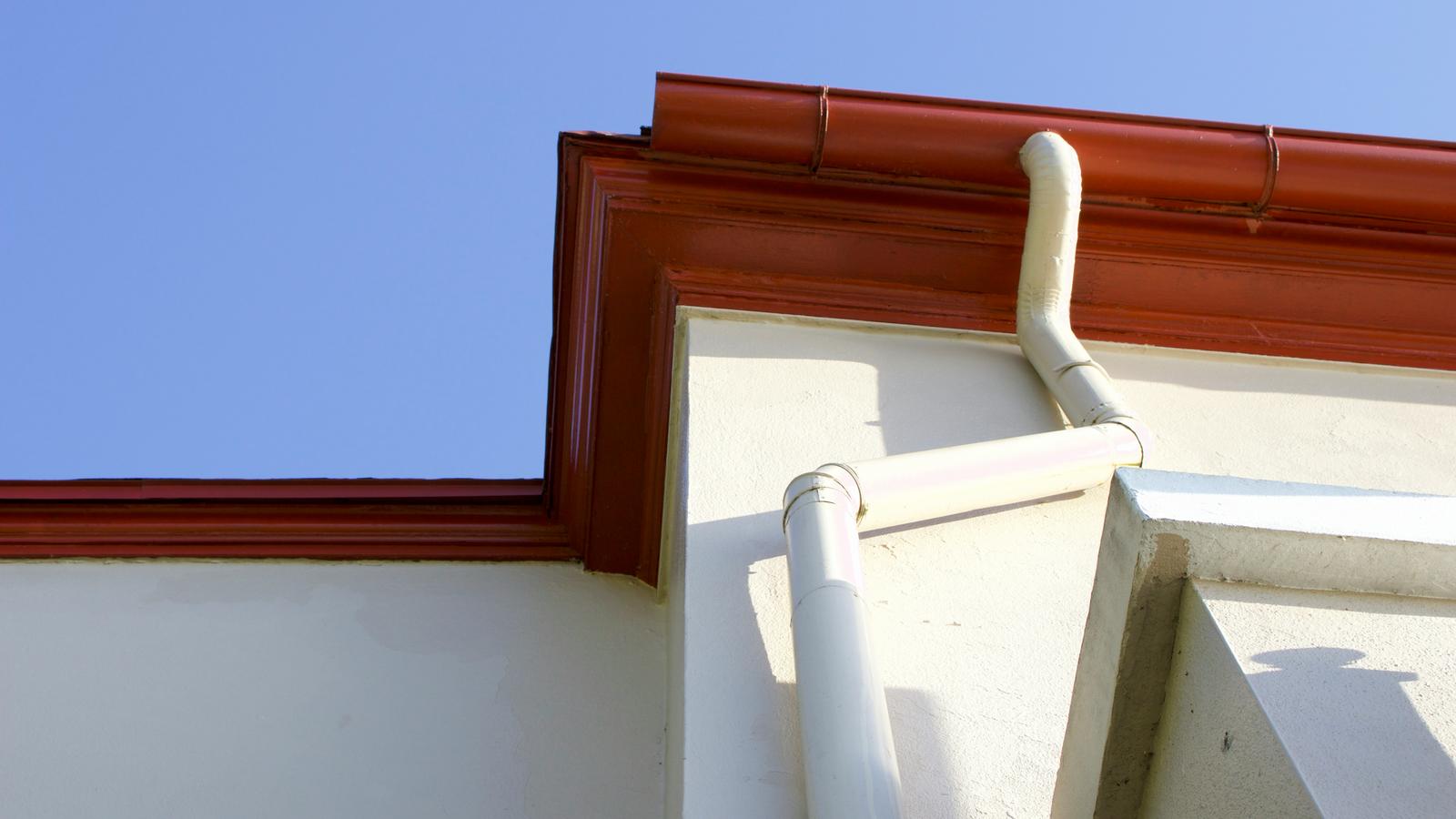
Denver gutter cleaning and roof maintenance are especially important in October because this is the window between heavy summer storm season and winter freeze-thaw cycles. For homeowners and property managers along the Front Range, clearing gutters, checking drainage, and inspecting the roof now can prevent ice buildup, hidden leaks, and small hail-related problems from turning into expensive repairs later.
Why October is the sweet spot in Denver
October is usually the most practical time to handle routine roof and gutter work in Denver. By then, most of the year’s major hail and thunderstorm activity has passed, leaves are starting to drop, and winter weather has not fully set in yet. That combination makes it easier to spot damage, clean out debris, and complete repairs before snow and ice complicate the job.
For many properties, waiting until late November or after the first hard freeze creates avoidable risk. Gutters that are partially blocked in fall can trap water just as temperatures start to swing above and below freezing. That is when minor drainage problems often become ice dams, overflow, fascia damage, or interior leaks.
October also gives property owners time to address issues discovered during an inspection, whether that means a small repair, gutter adjustment, or planning for a larger roof replacement.
What Denver gutters go through after summer
Denver-area roofs and gutter systems take a beating during the warmer months. Even if your roof looks fine from the ground, summer can leave behind conditions that show up later in the season.
Common fall gutter and roof issues include:
- Leaves, pine needles, seed pods, and roof granules collecting in gutters
- Downspouts backing up or draining too slowly
- Hail damage that loosened shingles or dented metal edge components
- Wind-driven debris clogging valleys and roof-to-wall transitions
- Gutter spikes, hangers, or brackets loosening over time
- Minor flashing issues that did not leak in dry weather but can leak during snowmelt
- Water overflowing near foundations, walkways, or entry points
In Colorado’s Front Range, hail damage is easy to miss unless someone gets on the roof and documents it carefully. A gutter cleaning visit in October is often the right time to pair maintenance with a storm-damage inspection, especially if your neighborhood saw hail earlier in the year. Our team handles hail damage inspections and documentation in a way that supports the insurance process when damage is present.
Why clogged gutters become winter roof problems
A lot of people think of gutter cleaning as a housekeeping task. In reality, it is a roof-protection task.
When gutters and downspouts cannot move water away from the roofline, several problems can follow:
Ice buildup at the eaves
Blocked gutters hold standing water. Once temperatures drop, that water freezes and creates ice along the roof edge. As ice builds, melting snow can back up under shingles and into vulnerable transitions.
Fascia and soffit damage
Overflowing gutters keep wood trim and roof edges wet for longer than they should be. Over time, that can lead to staining, peeling paint, soft spots, and rot.
Foundation and drainage issues
If downspouts discharge poorly or water spills over the side, the problem is not limited to the roof. Water can pool near the structure, affect landscaping, and create slick walking surfaces.
Hidden interior leaks
Not every leak starts with a dramatic ceiling stain. Some begin as damp insulation, small wall discoloration, or moisture around penetrations and attic transitions. By the time the leak is obvious, the repair is usually larger.
What roof maintenance should include in October
A proper October maintenance visit should be more than just scooping leaves out of a gutter run. It should look at how the entire roof drainage system is functioning.
A solid seasonal maintenance checklist includes:
- Remove debris from gutters, downspouts, valleys, and roof drainage paths
- Confirm downspouts are flowing and discharging away from the structure
- Check for loose, damaged, or missing shingles
- Look for hail impacts, lifted tabs, granule loss, and exposed fasteners
- Inspect flashing around chimneys, walls, skylights, and vents
- Check drip edge, gutter aprons, and gutter attachment points
- Identify sagging gutter sections or poor slope
- Look for signs of ponding or drainage issues on low-slope roof sections
- Inspect soffit, fascia, and visible exterior trim for water damage
- Review attic or interior warning signs if leakage is suspected
For residential properties, that may lead to a simple cleaning and a few repairs. For larger multifamily, office, retail, or industrial buildings, October is also a smart time to schedule a broader commercial roofing inspection before winter weather stresses the system.
Signs your Denver home should not wait
Some properties can safely schedule routine maintenance anytime in October. Others should move faster.
You should prioritize gutter cleaning and roof inspection if you notice:
- Gutters overflowing during even light rain
- Plants or visible debris growing from gutters
- Water marks beneath gutter seams or at the fascia
- Shingle pieces or heavy granules washing out of downspouts
- Dents on gutters, downspouts, vents, or metal accessories after a storm
- Interior water stains, attic moisture, or musty smells
- Icicles forming in past winters along problem roof edges
- Sections of gutter pulling away from the house
These symptoms can point to ordinary wear, but they can also indicate storm damage or drainage failure that should be documented before winter worsens it.
October is also ideal for insurance-related roof checks
In Denver and across Hail Alley, many roofing problems start with a storm and only become obvious months later. A homeowner may not realize that a summer hail event shortened the life of the roof until fall maintenance reveals bruising, granule loss, damaged vents, or bent metal components.
That is one reason October is so useful. It is late enough to catch the full effects of the season, but early enough to take action before snow covers evidence or creates new damage patterns.
If damage is found, detailed inspection notes and photos matter. Insurance carriers usually expect clear documentation that separates storm-related issues from normal aging or maintenance concerns. That is where an experienced inspection helps. If you suspect weather-related damage, start with a professional evaluation before deciding whether a repair or replacement is necessary.
Should you DIY or hire a professional?
Basic visual checks from the ground are helpful, but roof and gutter maintenance in fall comes with some real limitations.
DIY cleaning may work for a simple one-story home with easy access, but many Denver-area properties have:
- Steeper roof pitches
- Second-story eaves
- Hidden drainage problems
- Hail damage that is not visible from below
- Gutter slope or fastening issues that cleaning alone will not fix
A professional inspection can also catch things a basic cleanup misses, such as lifted shingles, punctures, flashing separation, and drainage patterns that suggest bigger trouble ahead. If repairs are needed, it helps to understand likely scope before winter scheduling gets crowded. You can also review typical project information on our pricing and roof repair pricing pages.
A practical October plan for homeowners
If you want to stay ahead of winter, this is a good order of operations:
- Schedule gutter cleaning in early to mid-October if possible.
- Pair it with a roof inspection, especially after a hail season.
- Clear drainage extensions and make sure downspouts discharge away from the home.
- Address minor repairs now instead of waiting for the first freeze.
- If major damage is found, get a plan in place for repair or replacement.
For homeowners, regular seasonal attention usually costs less than dealing with water intrusion, trim damage, or emergency winter leak calls. For property managers, October maintenance helps reduce midwinter service issues and supports better budgeting for upcoming work.
Why this matters on the Front Range
Denver’s climate is hard on roofs because it combines sun exposure, wind, hail, snow, and sharp temperature swings. Gutters sit right in the middle of that stress. When they are clean and functioning, they protect the roof edge, siding, windows, entries, and foundation. When they are neglected, small clogs and loose components can set off a chain of bigger problems.
That is why October is not just convenient. It is strategic.
Next step
If your gutters are full, your roof has not been checked since hail season, or you want a professional opinion before winter, AC INC. Roofing can help. We provide inspections, repairs, and full-service residential and commercial roofing throughout Denver and the Front Range. Schedule a free inspection or estimate through our contact page or learn more about our residential roofing services.