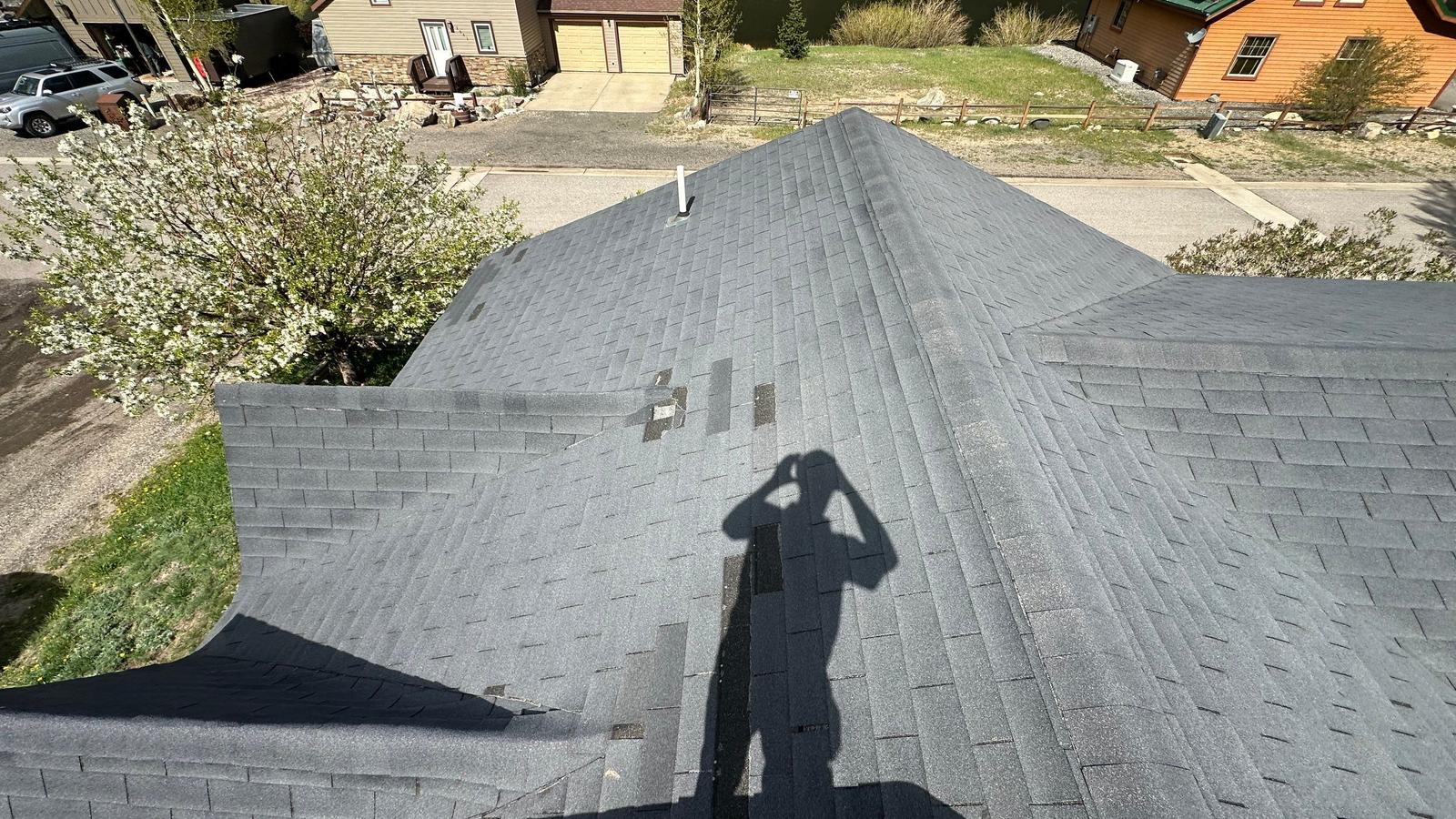
Defective shingles in Colorado can turn a roof that looks “mostly fine” into a source of leaks, insurance claim problems, interior damage, and premature roof replacement. In Colorado’s harsh climate—intense UV, rapid temperature swings, high winds, snow load, and frequent hail—a manufacturing defect or installation-related shingle failure usually shows up faster and spreads farther than many homeowners expect. Knowing what defective shingles look like, why they matter, and when to get a professional inspection can save you from a much larger roofing bill later.
Why defective shingles are a bigger problem in Colorado
Colorado roofs do not age under gentle conditions. Along the Front Range and across Hail Alley, roofing materials take a steady beating from weather extremes that can expose weak spots quickly.
Common local stressors include:
- Intense sun and UV exposure at higher elevation
- Sudden freeze-thaw cycles
- Strong chinook and downslope winds
- Heavy wet snow followed by rapid melt
- Seasonal hailstorms that bruise and fracture shingles
- Large day-to-night temperature swings that cause expansion and contraction
A properly manufactured and properly installed asphalt shingle roof is designed to handle these conditions for years. But when shingles are defective, those same conditions can accelerate granule loss, cracking, blistering, mat exposure, seal-strip failure, curling, or blow-offs.
That matters because a defect often does not stay isolated to one slope or one small patch. Once the weather barrier is compromised, moisture intrusion can affect underlayment, decking, flashing transitions, attic insulation, and even siding or gutters around vulnerable roof edges.
What counts as a defective shingle?
“Defective shingles” can mean a few different things, and it is important not to confuse them with normal aging or obvious storm damage.
In general, a defective shingle is one that fails earlier than it should because of a manufacturing issue, material weakness, or, in some cases, a product problem that becomes obvious under normal weather exposure.
Common signs of defective shingles
You may notice:
- Granules collecting heavily in gutters long before the roof is old
- Random cracking across many shingles, not just in isolated impact areas
- Blistering or surface pitting unrelated to hail strikes
- Curling or clawing earlier than expected
- Shingles that do not seal properly and lift in wind
- Uneven aging patterns across the same roof plane
- Dark patches, exposed asphalt, or fiberglass mat showing through
- Frequent tab loss or corner breakage
- Repeated leaks even after limited repairs
Defect vs. storm damage vs. installation issue
These issues can overlap, which is why inspection matters.
- Defective shingles: The product itself may be breaking down prematurely.
- Hail damage: Impacts can fracture or bruise shingles, dislodge granules, and shorten roof life. See our hail damage services.
- Installation issue: Incorrect nailing, poor ventilation, bad flashing details, or improper starter/shingle alignment can mimic or worsen shingle failure.
A roof can also have more than one problem at once. For example, defective seal strips may leave shingles more vulnerable to wind uplift, then a hailstorm hits, and now the claim question becomes more complicated.
The hidden costs homeowners miss
Most people think the cost of defective shingles is just “I may need roof repairs sooner.” In reality, the hidden cost is usually the chain reaction that follows delayed action.
1. Water intrusion and interior damage
Small failures at the shingle level can allow moisture into the roofing system long before you see a stain on the ceiling.
By the time leaks become visible, damage may already include:
- Saturated underlayment
- Soft or deteriorated decking
- Wet attic insulation
- Mold or mildew growth in concealed spaces
- Drywall staining and paint damage
- Damage around chimneys, valleys, skylights, and wall transitions
The shingle problem may be on the exterior, but the repair bill often expands inside the house.
2. Shortened roof life
Defective shingles tend to fail unevenly. That makes targeted repairs harder because replacing a few visibly bad shingles does not always solve the weakness across the rest of the roof.
In Colorado, once widespread cracking, seal failure, or granule loss is underway, sun, wind, and hail often speed up the decline. What could have been monitored early may become a full residential roof replacement decision sooner than expected.
3. Higher storm vulnerability
A compromised roof is less able to withstand the next event. Defective shingles may:
- Tear more easily in wind
- Lose more granules during hail
- Crack under thermal stress
- Allow lifted tabs to become blow-offs
- Expose the underlayment sooner during storms
In other words, defective shingles can make an ordinary Colorado storm more damaging than it would have been on a sound roof.
4. More complicated insurance claims
Insurance carriers typically cover sudden accidental storm damage, not normal wear, deferred maintenance, or product defects by themselves. That does not mean you have no options, but it does mean documentation matters.
If your roof has both storm damage and signs of premature shingle failure, the inspection has to separate those conditions clearly. This is where a detailed inspection from a contractor who understands storm documentation is important. At AC INC. Roofing, our HAAG Certified Master Inspectors document roof conditions the way carriers expect, which helps homeowners and property managers understand what is storm-related, what is age-related, and what may require a different path.
5. Repair spending that does not solve the root problem
One of the most expensive patterns is repeated patching. A homeowner sees a few lifted shingles, pays for a repair, then calls again after the next wind event or leak.
If the underlying issue is widespread shingle defect or advanced system failure, repeated repairs can add up without restoring long-term performance. Sometimes a repair is the right choice; other times it delays the inevitable and increases total spend. If you are comparing options, our roof pricing information and repair pricing page can help you plan the next step.
How defective shingles show up after hail or winter weather
Colorado and Wyoming property owners often first notice defective shingles after a storm because the weather exposes existing weakness.
After hail
Hail does not create every roof problem, but it can reveal a failing shingle quickly. A roof with brittle, cracking, or poorly sealed shingles may show:
- Larger areas of granule loss
- More fractured tabs after impact
- Increased risk of leaks around damaged sections
- Difficulty distinguishing fresh hail damage from prior deterioration without expert review
After winter
Snow and freeze-thaw cycles can exploit tiny cracks or lifted tabs. Water enters, temperatures drop, and the expansion can worsen the damage. By spring, homeowners may notice:
- New staining in ceilings or walls
- Shingles that look curled or split
- Pieces of shingles in the yard
- Gutters filling with granules and debris
What to do if you suspect defective shingles
If you think your roof may have defective shingles, avoid guessing based on age alone or relying only on a quick ground-level look.
Start with a professional roof inspection
A proper inspection should evaluate:
- Overall shingle condition across each slope
- Granule retention and pattern of wear
- Wind-related lifting or seal-strip failure
- Hail impacts versus non-impact surface issues
- Flashings, penetrations, valleys, and roof edges
- Attic signs of moisture or ventilation concerns
- Whether repair is realistic or replacement is more practical
For homes and multifamily properties, we can inspect and document conditions through our residential roofing services. For office, retail, industrial, HOA, and other larger buildings, see our commercial roofing services.
Document what you are seeing
Before the inspection, it helps to note:
- When you first noticed the issue
- Whether leaks appeared after a specific storm
- Areas where shingles have blown off or slid
- Granule buildup in gutters or downspouts
- Any prior repairs or claim history
This does not replace an inspection, but it can help create a clearer timeline.
Do not wait for active leaks
Waiting until water enters the home usually increases the scope of repairs. If your shingles are visibly cracking, curling, or losing granules across multiple areas, early evaluation gives you more options.
When repair makes sense and when replacement is smarter
There is no one-size-fits-all answer. A localized issue on an otherwise healthy roof may be repairable. But replacement is often the better long-term decision when:
- Defective shingles appear across multiple slopes
- Matching shingles are unavailable or unreliable
- The roof has both storm damage and widespread material failure
- Leaks have already affected decking or interior finishes
- Repeated repairs are becoming routine
- The roof system has lost enough integrity that another severe storm is likely to cause major damage
A good contractor should explain the tradeoffs clearly, not push replacement automatically.
Why local inspection experience matters
In Colorado and nearby Wyoming markets like Cheyenne, Laramie, and Pine Bluffs, roofing decisions are shaped by climate and claims history as much as by appearance. A roof can look acceptable from the driveway and still have widespread brittle failure, hail bruising, or wind-lift issues.
That is why local experience matters. You want an inspector who understands how Colorado weather affects asphalt shingles over time and who can separate product failure, wear, and storm damage in a way that is useful for repair planning and insurance documentation.
Next step
If you suspect defective shingles on your Colorado or Wyoming roof, the best next move is a thorough inspection before the next hailstorm or winter cycle makes the damage worse. AC INC. Roofing offers free inspections and estimates for homeowners and commercial property managers. Contact us through our contact page to schedule an evaluation and get a clear recommendation on repair, replacement, and any storm-related documentation you may need.