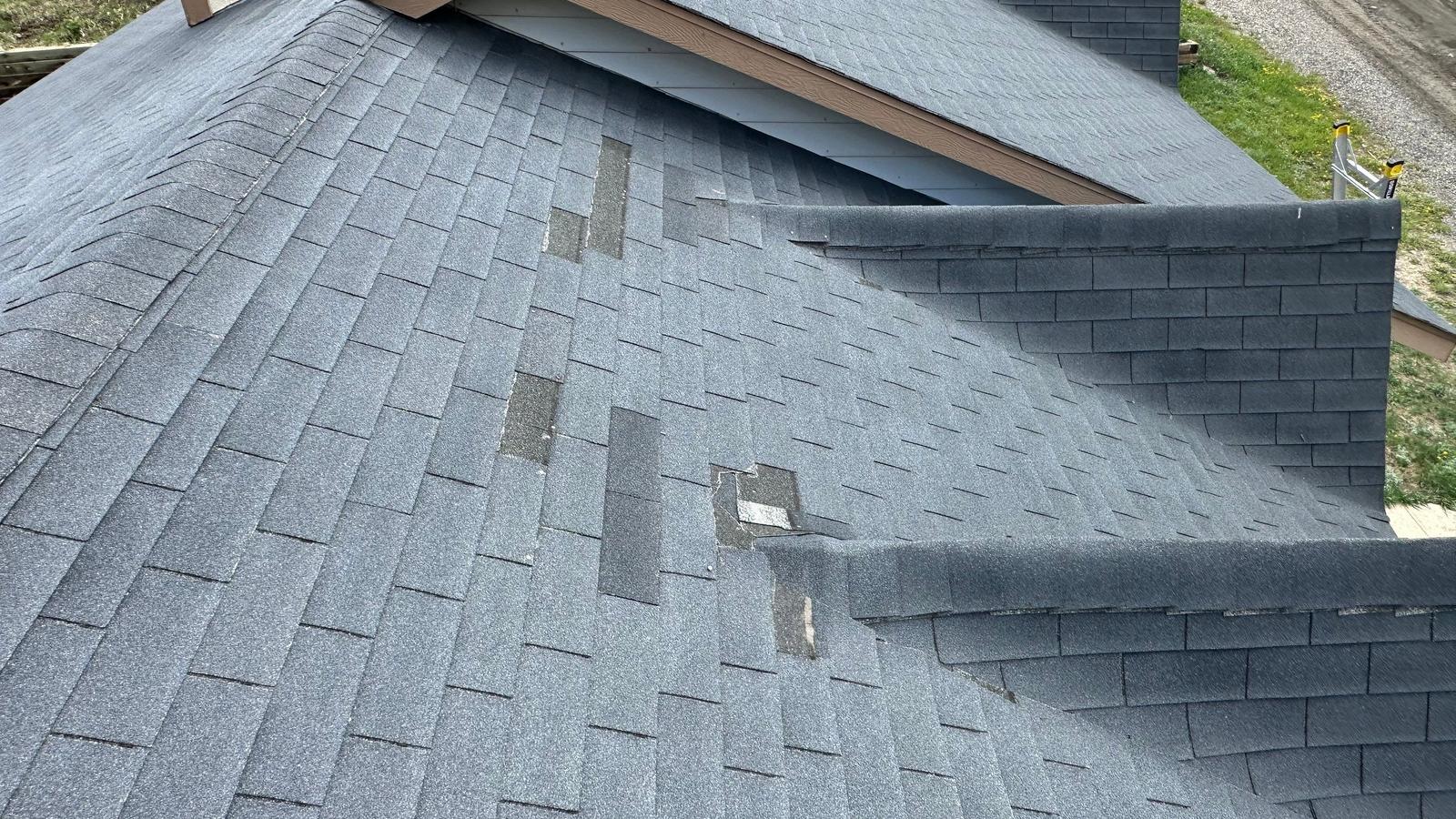
Colorado roofing recalls and defective product trends matter because a roof can fail for reasons that look like storm damage, normal aging, or poor installation when the real issue is the material itself. For homeowners across the Front Range and in hail-prone areas, knowing what product problems look like can help you catch damage early, document it properly, and avoid paying for a roof replacement before it is truly necessary.
Why roofing recalls matter in Colorado
Colorado roofs deal with a rough mix of hail, high UV exposure, wind, freeze-thaw cycles, and large temperature swings. Those conditions can expose defects faster than they might appear in milder climates. A shingle, underlayment, vent boot, or sealant that performs only "well enough" in another state may break down much sooner here.
That matters for two reasons:
- A defective product can create leaks, granule loss, cracking, or blow-offs that look like storm damage.
- A roof with both storm damage and material failure can be harder to document for an insurance claim without a careful inspection.
For homeowners, the practical takeaway is simple: if your roof is aging oddly, failing in isolated patterns, or showing repeated repair issues, do not assume it is just old. Product-related problems do happen, and they can affect shingles, accessories, and even newer roofs.
What a roofing recall usually means
A roofing recall is not always a dramatic nationwide event where every homeowner gets a letter. In practice, problems show up in a few different ways:
- A manufacturer issues a formal recall on a specific product line or production batch.
- Contractors and inspectors begin seeing the same premature failure pattern repeatedly.
- A product becomes associated with widespread complaints, technical bulletins, or claim disputes.
- A component is discontinued after persistent performance concerns.
Some defects become public quickly. Others surface over time as roofs age in the field. In Colorado, where hail damage is common, defective materials can be overlooked because everyone assumes the storm is the full story.
Common defective product trends homeowners should watch
Not every roofing problem points to a recall, but some patterns deserve a closer look.
Premature shingle cracking or splitting
Asphalt shingles should age, but they should not start cracking excessively far earlier than expected under normal conditions. Warning signs include:
- Repeated cracking in similar locations across many slopes
- Vertical or random splits not tied to one isolated impact
- Brittle shingles that break during minor handling
- Noticeable failure on a roof that is not especially old
In Colorado, UV exposure and thermal movement can make these issues easier to spot. Cracking may also increase the chance that hail impacts turn into functional damage.
Blistering, surface erosion, or unusual granule loss
Some granule loss is normal over time, especially on newer shingles during the first period after installation. But heavy or uneven granule loss can suggest a material problem, especially when it appears too early or in odd patterns.
Watch for:
- Bare asphalt spots appearing sooner than expected
- Widespread blistering across multiple slopes
- Heavy granules collecting in gutters without a recent severe storm
- Patchy wear that does not match directional weather exposure
Granule loss matters because it reduces UV protection and speeds up aging.
Seal strip failure and wind vulnerability
If shingles do not seal correctly, the roof becomes more vulnerable to wind lift, crease damage, and water intrusion. This can result from installation conditions, but defective adhesive strips or product aging issues can also be part of the picture.
Possible signs include:
- Tabs lifting when nearby shingles remain flat
- Repeated blow-offs in moderate wind events
- Creased shingles after wind that should not have caused widespread damage
- Roof sections that never seem to settle or bond correctly
Defective accessories and penetrations
Homeowners often focus on shingles, but many leaks start at components around the shingles.
Problem areas can include:
- Pipe boots that crack early from UV exposure
- Ridge vent products that warp or allow water entry
- Underlayment that wrinkles, tears, or deteriorates prematurely
- Sealants at flashing details that shrink or separate too soon
A roof can look mostly fine from the ground while one weak accessory causes interior damage.
How defective products differ from installation errors
This is where many homeowners get stuck. A roof can fail because of:
- Material defect
- Installation mistake
- Storm damage
- Normal aging
- A combination of the above
For example, shingles that slide, buckle, or fail to seal may point to product issues, installation conditions, attic ventilation concerns, or several of those factors together. That is why the inspection matters.
A thorough roof inspection should look at more than the obvious leak location. It should consider:
- Roof age and approximate install period
- Product type and visible markings when available
- Slope-by-slope wear patterns
- Hail or wind indicators
- Ventilation and moisture conditions
- Fastener placement and flashing details
- Whether the failure pattern is isolated or consistent across the system
At AC INC. Roofing, our HAAG Certified Master Inspectors document storm and roof-condition findings in a way that helps separate probable causes. That is especially important when a homeowner may also need support for an insurance claim.
Signs your roof issue may be product-related
If you are unsure whether your problem is a recall, defect, or just age, these are good reasons to get it checked:
- Your roof looks worn out much earlier than neighbors with roofs installed around the same time.
- One product or component is failing repeatedly after repairs.
- Damage appears widespread but not storm-pattern specific.
- Multiple shingles show the same unusual defect shape or break pattern.
- You have leaks around vents, valleys, or flashings even after previous fixes.
- Your contractor mentions the material seems brittle, poorly bonded, or irregular.
Homeowners in Colorado sometimes delay these inspections because they assume they need active leaking before calling. That usually leads to bigger repair scope later.
What to do if you suspect a recalled or defective roof product
Start with documentation. Do not rely on memory or wait until the next storm.
Step 1: Gather basic roof information
If you have it, locate:
- Install date or closing documents
- Contractor invoice or proposal
- Manufacturer product name or color
- Prior repair records
- Photos from past storms or inspections
Even partial records can help narrow down product timelines.
Step 2: Photograph visible issues
Take clear photos of:
- Lifted, cracked, or missing shingles
- Granule buildup in gutters or downspouts
- Interior water stains
- Problem areas near vents, skylights, or chimney flashing
- Ground-level views of each roof slope if possible
Step 3: Schedule a professional inspection
A professional inspection helps determine whether the issue appears related to storm damage, installation, aging, or material failure. This matters if you are deciding between a targeted repair, ongoing maintenance, or a larger roof replacement.
Step 4: Ask for written findings
You do not need a dramatic report for every roof, but you do want clear notes on:
- What was found
- Where it was found
- Whether the damage appears functional or cosmetic
- Whether patterns suggest a broader product concern
- What next action is recommended
Step 5: Check manufacturer and claim options carefully
If a specific product concern is identified, your contractor may help you gather the information needed to contact the manufacturer or support related documentation. If there was also a recent hail or wind event, the roof may need to be reviewed from both angles.
Why Colorado homeowners should pay extra attention after hail season
Hail season often reveals weak roofs. A roof that might have lasted longer under mild conditions can show accelerated damage after one or two strong storms. That does not always mean hail caused every issue, but hail frequently exposes existing product weaknesses.
This is one reason post-storm inspections are so valuable in Colorado. A trained inspector can identify whether a roof has:
- Fresh hail impacts
- Older weathering or material breakdown
- Wind-related creasing or lift
- Accessory failure at penetrations and flashings
- Mixed conditions that affect repairability
For homeowners and property managers, that distinction affects whether the best path is minor service, broader restoration, or full replacement for a residential roof or commercial roof.
A practical rule of thumb
If your roof has repeated issues that do not match its age, do not treat each leak or missing shingle as a one-off event. Pattern problems usually stay pattern problems. The sooner you identify whether the issue is storm-related, installation-related, or tied to a defective product trend, the easier it is to make a smart repair or replacement decision.
Next step
If you have noticed unusual shingle wear, repeat leaks, or possible hail damage, AC INC. Roofing can help. We provide free inspections and clear documentation for homeowners across Colorado and Wyoming. Contact us through our contact page to schedule an inspection or estimate before a small product issue turns into a major roof problem.