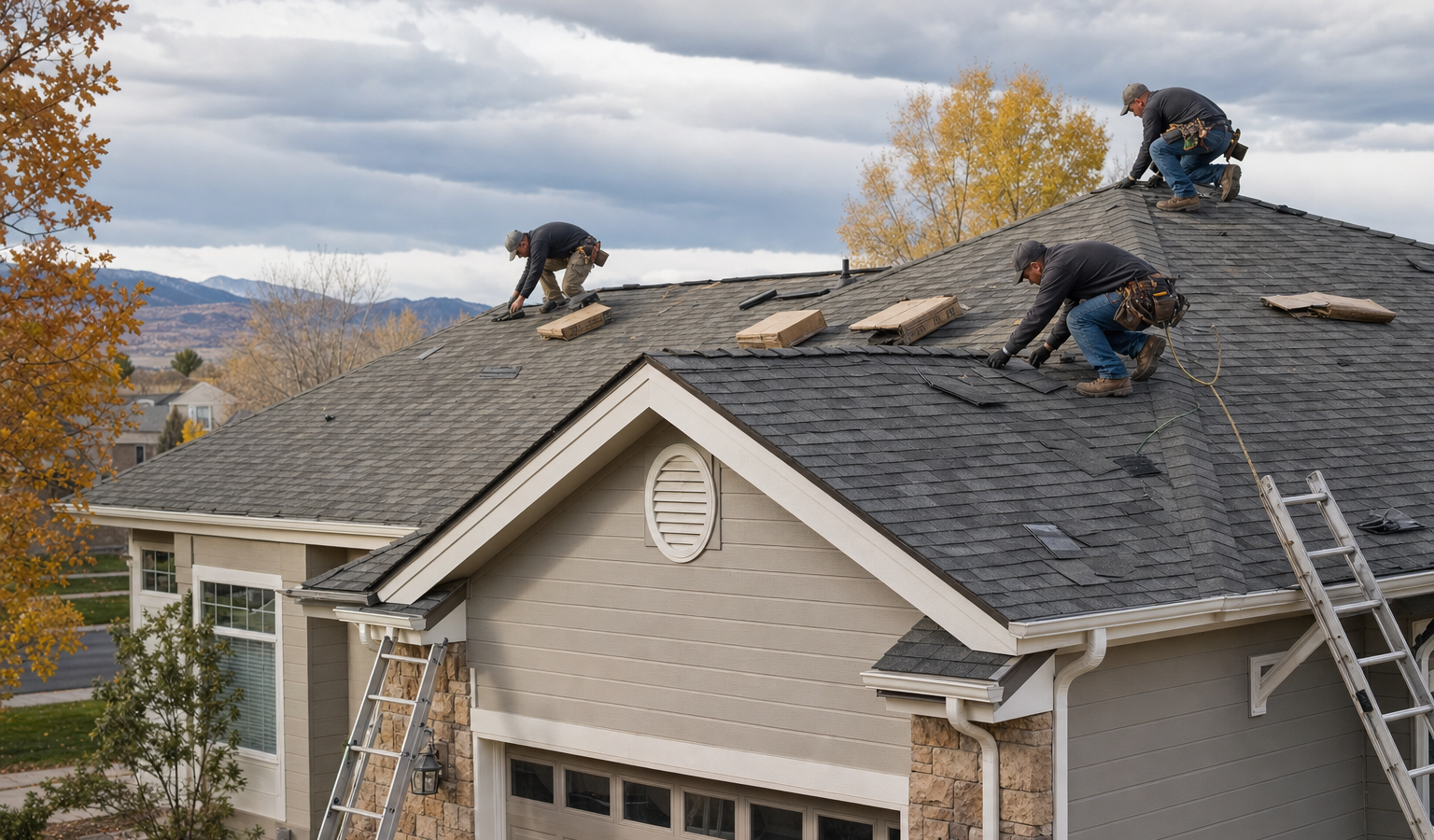
Colorado roofing in the fall often makes October one of the best times for roof repairs and roof replacement. For homeowners and property managers along the Front Range and in nearby Wyoming markets like Cheyenne, October usually offers a practical mix of milder weather, contractor availability before winter storms settle in, and enough time to address hail damage or wear before ice and snow make small issues worse. If your roof took a beating during storm season or has simply reached the end of its service life, acting in October can help you avoid emergency repairs later.
Why October is a strong month for roofing work in Colorado
Colorado’s weather can change fast, but October often sits in a useful middle ground. Summer hail season is mostly behind us, winter conditions are not yet constant, and daytime temperatures are commonly workable for inspections, repairs, and full replacement.
That timing matters because roofing is not just about putting on shingles. A good project also depends on:
- Safe site conditions for crews
- Dry windows for tear-off and installation
- Enough daylight for clean, careful work
- Time to spot and fix decking, flashing, ventilation, or gutter issues
- A reasonable schedule before holiday and winter weather disruptions
For many properties in Colorado and southern Wyoming, October checks those boxes better than late summer panic or mid-winter emergency work.
Fall is a smart time to catch hidden hail damage
A lot of roofing problems in Colorado start with hail, even when the damage is not obvious from the ground. By October, property owners have had time to notice leaks, granule loss, dented gutters, stained ceilings, or shingles that no longer look right after spring and summer storms.
A fall inspection can confirm whether the roof needs a minor repair, broader storm restoration, or full replacement. This is especially important in the Front Range, where repeated hail exposure can shorten the life of roofing systems long before they would normally wear out.
If you suspect storm damage, a documented inspection helps you understand:
- Whether the damage is cosmetic, functional, or both
- If shingles, flashing, vents, skylights, gutters, or siding were affected
- Whether repairs are still reasonable or replacement makes more sense
- What to include in an insurance claim
At AC INC. Roofing, our HAAG Certified Master Inspectors document storm damage the way carriers expect, which can make the hail-damage process clearer and more organized.
Moderate temperatures can be better for roofing materials
Extreme heat and extreme cold both create challenges. October often avoids the worst of each.
Shingles and seal-down performance
Asphalt shingles generally install best when temperatures are not excessively hot or freezing cold. In fall, crews can usually work more comfortably and handle materials with less stress than they might during high summer heat. There is also often enough warmth and sun exposure for shingles to begin sealing properly.
Repair materials and workmanship
Sealants, flashing details, and other repair components also benefit from more moderate conditions. While every day is different, October often gives contractors a better chance to complete detailed work cleanly before winter sets in.
Less thermal stress during installation
Roof systems expand and contract with temperature swings. Mild fall weather can reduce some of the installation challenges that come with very hot roof surfaces or sudden cold snaps.
Replacing a roof in October can help prevent winter emergencies
One of the biggest reasons to schedule fall roofing work is simple: small roof problems tend to get worse in winter.
A roof that has:
- Missing or creased shingles
- Exposed underlayment
- Loose flashing
- Soft decking
- Failing pipe boots
- Aging sealant around penetrations
- Gutter or drainage issues
may survive for a while in dry weather, then start leaking once snow, ice, and freeze-thaw cycles arrive.
In Colorado and Wyoming, winter moisture can move into vulnerable areas and turn a manageable repair into interior damage, insulation problems, mold concerns, or a more expensive replacement. October gives you a chance to deal with those issues on your terms instead of during a storm.
October can be ideal for insurance-related roofing decisions
After hail season, fall is often when many property owners finally decide whether to move forward with an insurance claim or pay for work directly. Waiting too long can create complications if new weather events hit or if existing damage becomes harder to separate from later wear.
Why timing matters for claims
If your roof was damaged earlier in the year, a fall inspection can help preserve a clearer record of what happened and what needs to be addressed. Good documentation matters when discussing scope, repairability, and code-related items.
Why timing matters for your building
Even if the claim process is underway, delaying the actual work can leave the property exposed. It is usually better to complete approved roofing work before winter than to carry known storm damage into the coldest part of the year.
If you are unsure where your roof stands, start with an inspection before making assumptions about repair versus replacement.
Commercial properties benefit too
October is not only a good month for homes. It can also be one of the better windows for commercial roofing projects, especially if a building needs repairs after summer storms or if a roof is nearing the end of its service life.
For commercial property managers, fall timing can help with:
- Planning around tenant needs and site access
- Addressing ponding areas, membrane damage, flashing failures, or roof coatings
- Reducing the chance of leak calls during winter weather
- Coordinating roofing, gutter, and siding work before year-end
If you manage offices, retail, industrial, multifamily, or other facilities, a proactive inspection can help you budget and prioritize the work that matters most. Learn more about our commercial roofing services.
Signs your roof should be inspected before winter
Not every roof needs replacement in October, but many should at least be inspected. Schedule a closer look if you notice any of the following:
- Shingles that are cracked, lifted, missing, or heavily granulated in gutters
- Dents on metal vents, downspouts, flashing, or AC components after hail
- Water stains on ceilings or walls
- Damp attic insulation or signs of poor ventilation
- Sagging areas or visible deck movement
- Loose gutters or fascia damage
- Previous patch repairs that are failing
- A roof that is simply older and showing general wear
For homeowners, our residential roofing services cover inspections, repairs, storm documentation, and replacement planning.
What to expect from a fall roof inspection
A professional inspection in October should do more than provide a quick opinion from the driveway. You want clear findings and practical next steps.
A thorough roof inspection typically includes:
- Evaluation of shingles or roofing membrane condition
- Check for hail and wind damage
- Review of flashing, penetrations, valleys, and ridge areas
- Inspection of gutters, downspouts, and drainage paths
- Assessment of ventilation-related concerns
- Review of visible decking or structural warning signs
- Photos and documentation of relevant damage or wear
- Recommendation for repair, maintenance, or replacement
If repairs are the right answer, you can also review likely scope and options through our roof repair pricing page. If replacement is more appropriate, our pricing page can help you understand the factors that affect project cost.
Common questions about fall roofing in Colorado
Is it too late to replace a roof in October?
Usually, no. October is often one of the better times to replace a roof in Colorado, assuming weather conditions cooperate and the project is scheduled before severe winter patterns become frequent.
Can roof repairs be done in cold weather?
Yes, many repairs can be done in colder weather, but it is generally easier and more predictable to complete them in October than during snow, ice, or repeated freeze-thaw cycles.
Should I wait until spring?
If the roof has active leaks, storm damage, missing shingles, or signs of aging failure, waiting until spring can be risky. Winter often turns a moderate problem into a major one.
What if I’m not sure whether I need a repair or full roof replacement?
That is exactly why an inspection matters. A qualified roofer should explain the condition of the roof, what is repairable, and when replacement is the more durable and cost-effective option.
The bottom line
For many Colorado and Wyoming properties, October hits the sweet spot for roofing work. You are past much of the year’s hail activity, you still have workable weather, and you have a chance to fix damage before winter stress exposes every weak point in the system. Whether the issue is storm damage, normal aging, or a leak that just appeared, fall is often the best time to act.
Next step: If you want to know whether your roof is ready for winter, contact AC INC. Roofing for a free inspection or estimate. We help homeowners and commercial property managers across Colorado and Wyoming document damage, plan repairs, and schedule roof replacement before cold weather makes the decision for you. Get started here: /contact.