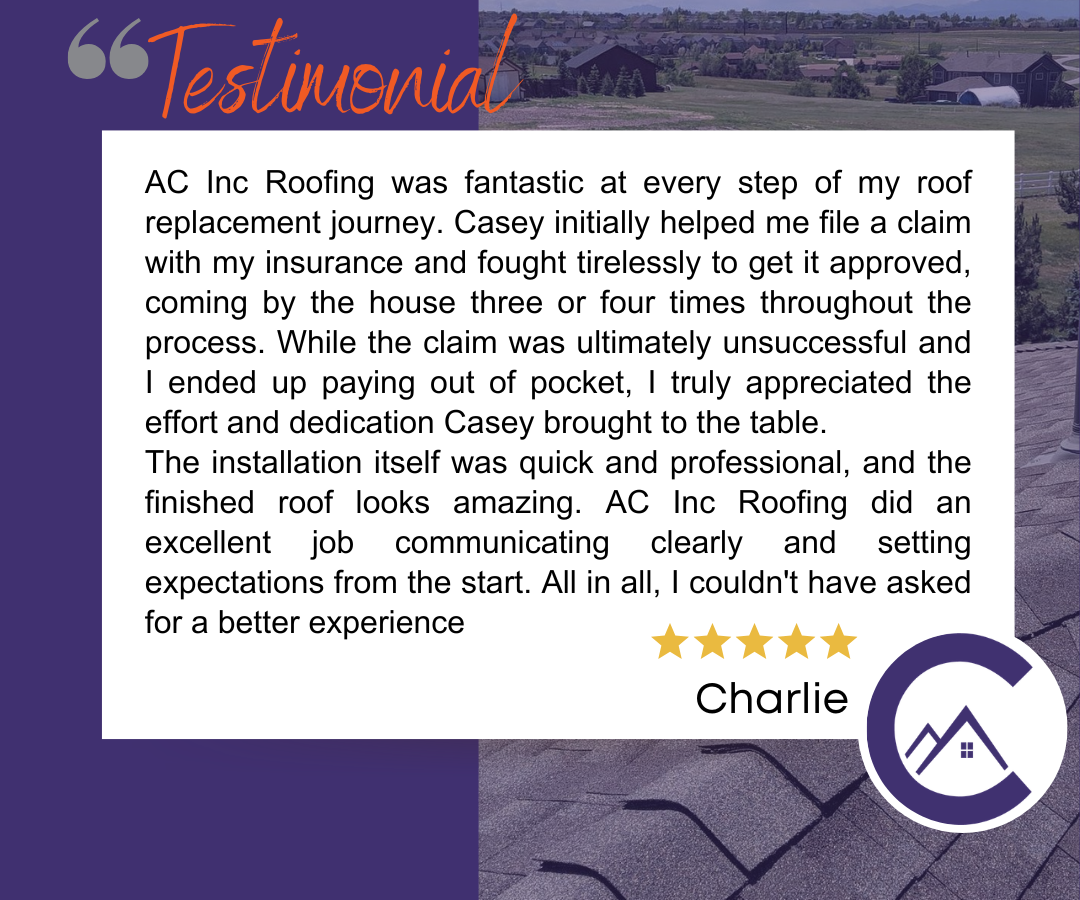
Choosing a Colorado roofing company based only on online reviews can lead to expensive mistakes. Reviews can be helpful for spotting patterns in communication and customer service, but they do not tell you enough about inspection quality, storm-damage documentation, insurance-claim experience, licensing, or whether the contractor is a good fit for your specific roof. In Colorado and Wyoming, where hail, wind, and fast-changing weather are common, those details matter just as much as a five-star rating.
Why reviews matter — and where they fall short
Most homeowners start the same way: they search for roofers, compare star ratings, and read a handful of comments. That is a reasonable first step. Reviews can reveal whether a company:
- Shows up when scheduled
- Communicates clearly
- Keeps the job site clean
- Handles scheduling and billing professionally
- Resolves common customer-service issues
Those points matter, but reviews rarely tell you how well a contractor actually inspects a roof, identifies hail damage, or documents findings for an insurance claim. A polished review profile can make two very different roofing companies look equally qualified.
In a market like Colorado’s Front Range, often called Hail Alley, that gap is a problem. A contractor who misses storm damage, misidentifies wear as hail, or pushes a roof replacement when a repair would do can cost you time, money, and claim headaches.
What online reviews cannot tell you
1. How thorough the roof inspection really is
A homeowner usually cannot judge the quality of a roofing inspection from the ground. A review might say, “They were honest,” or “They found damage fast,” but that does not explain the inspection method.
A good inspection should include:
- Exterior roof assessment
- Checks for hail and wind damage on roofing materials
- Review of soft metals, vents, flashing, and accessories
- Documentation of collateral damage when present
- Photos clear enough to support repair recommendations or claim documentation
- A realistic explanation of whether the roof needs repair, maintenance, or full replacement
This is especially important after a storm. If you suspect damage, a contractor experienced in hail-damage inspections should be able to explain what they found and why it matters.
2. Whether the company understands insurance-claim documentation
Many roofs in Colorado and Wyoming are inspected after hail or wind events. In those situations, the contractor is not just replacing shingles. They may also be documenting damage in a way that supports the homeowner’s insurance process.
Reviews rarely explain whether a roofer knows how to:
- Separate storm damage from age-related wear
- Photograph and label findings clearly
- Present evidence in a way adjusters expect to see
- Identify related components affected by the storm
- Communicate professionally during the claim process
This does not mean your roofer should “handle everything” without your involvement. It means they should be capable of providing accurate, organized information so you are not left guessing.
3. Whether the recommendation fits your roof
A roof replacement is not always the right answer. Neither is a quick patch. Reviews often reward speed and friendliness, but not necessarily judgment.
A trustworthy roofing company should be able to explain:
- Why a repair is sufficient, or why it is not
- Whether damage is isolated or widespread
- How the age and condition of the roof affect the recommendation
- What issues are urgent versus what can be monitored
- What other exterior components, such as gutters or siding, may also need attention
That level of explanation matters whether you own a home or manage a building. Commercial systems, in particular, need contractor input that goes beyond a simple star rating. If you manage a facility, review a company’s actual commercial capabilities here: commercial roofing services.
Why Colorado homeowners need a deeper vetting process
Colorado roofing is not a generic service. Our region sees hail, strong wind, freeze-thaw cycles, intense sun exposure, and sudden weather swings. Wyoming property owners in places like Cheyenne, Laramie, and Pine Bluffs deal with many of the same challenges.
Because of that, choosing a roofer should be more like hiring a specialist than picking the highest-rated listing.
A company can have strong reviews and still be a poor choice if they:
- Do not have meaningful storm-damage experience
- Rush inspections after major hail events
- Give vague scopes of work
- Avoid written documentation
- Push replacement before discussing repair options
- Lack experience with your roofing type or property type
For homeowners, that can mean paying for work you did not need or missing damage that should have been addressed. For property managers, it can mean disruptions, budget surprises, and inconsistent documentation across buildings.
What to verify beyond the reviews
Ask about inspection credentials and process
Do not be shy about asking how the company inspects for storm damage and what documentation you will receive. A qualified roofer should be able to walk you through the process in plain language.
Questions to ask:
- Who will perform the inspection?
- What signs of hail damage do you look for?
- Will I receive photos and written findings?
- How do you determine repair versus roof replacement?
- Have you worked with roofs like mine before?
Confirm service fit: residential or commercial
Not every contractor is equally equipped for every job. A company focused on steep-slope homes may not be the right fit for a low-slope commercial roof, and vice versa.
If you are a homeowner, review their residential roofing services. If you manage a business, multifamily property, church, warehouse, or office building, make sure the contractor can speak confidently about commercial systems, drainage, access, phasing, and documentation.
Review the estimate, not just the rating
A five-star company can still hand you a vague estimate. Before hiring, look for a scope of work that clearly outlines:
- The areas being addressed
- Whether the work is repair or replacement
- Materials or system type being proposed
- Related items such as flashing, gutters, or siding if applicable
- Cleanup and job-site expectations
- Any important exclusions or assumptions
If you are comparing options, pricing pages can help set expectations, but they are not a substitute for a roof-specific inspection. See general information here: roofing pricing and roof repair pricing.
Look for communication you can understand
A good contractor does not hide behind jargon. They should be able to explain roof conditions, hail damage, and next steps clearly enough that you can make an informed decision.
That matters even more if insurance is involved. Confusing language often leads to confusion about scope, timing, and responsibility.
Red flags reviews may not reveal
Some warning signs do not show up until after the first call or inspection. Watch for:
- Pressure to sign immediately after a storm
- Verbal promises without written detail
- Unclear answers about what was found on the roof
- A recommendation for full roof replacement with little explanation
- Minimal or poor-quality photos
- No discussion of ventilation, flashing, drainage, or related components
- Evasiveness about scheduling, supervision, or scope changes
A company does not need to be the cheapest or the flashiest. They need to be accurate, organized, and able to support the work they recommend.
A better way to use online reviews
Online reviews still have value. The key is to use them as a filter, not a final decision-maker.
Use reviews to narrow your list, then verify the company by speaking with them directly. Look for consistency between what reviewers say and what the contractor actually does during the inspection and estimate process.
A practical approach is:
- Read reviews for patterns, not perfection.
- Check whether the company explains storm damage and repair options clearly.
- Ask what documentation you will receive.
- Compare scope and inspection quality, not just ratings.
- Choose the contractor who gives you the clearest, most supportable recommendation.
That approach is usually safer than choosing the company with the most stars or the most aggressive sales pitch.
The bottom line
Online reviews are useful, but they are only one piece of choosing the right roofing contractor. In Colorado and Wyoming, where hail damage, insurance claims, repairs, and roof replacement decisions are common, inspection quality and documentation matter just as much as customer feedback.
The best roofing company for your property is not necessarily the one with the loudest online presence. It is the one that can inspect thoroughly, explain findings clearly, document damage properly, and recommend the right solution for your roof.
Next step
If you need a second opinion on storm damage, a repair recommendation, or a replacement estimate, AC INC. Roofing can help. We provide free inspections and clear documentation for homeowners and commercial property managers across Colorado and Wyoming. Contact us here to schedule: free inspection or estimate.