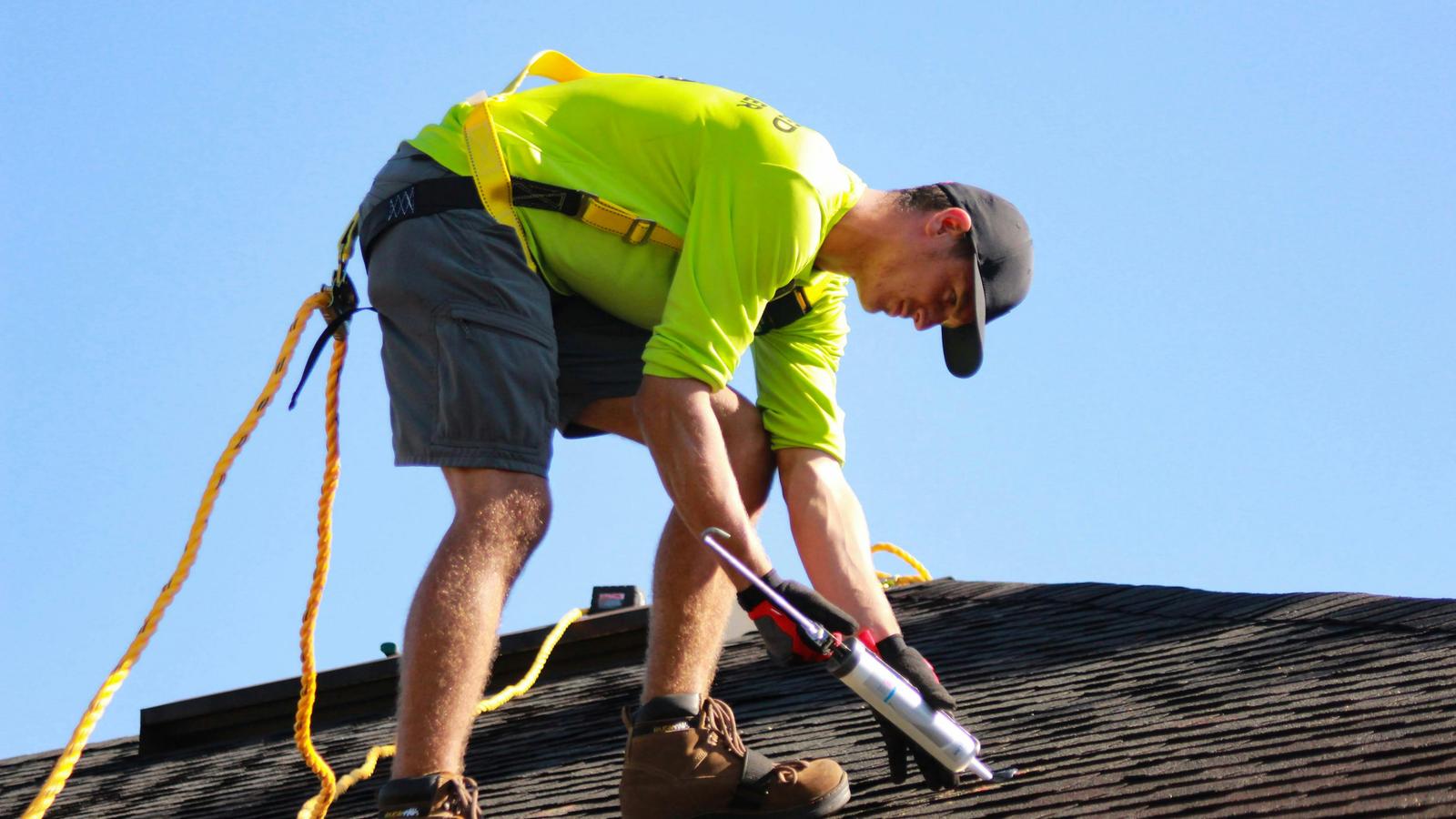
Colorado roof winterization is the process of preparing your roofing system, gutters, flashing, and attic ventilation before the first snow so small issues do not turn into mid-winter leaks, ice dams, or emergency repairs. In Colorado’s freeze-thaw climate, a roof that looks “mostly fine” in fall can fail quickly once snow load, wind, and trapped moisture show up. For homeowners and property managers, the goal is simple: catch damage early, handle repairs while weather is still workable, and go into winter with a roof that can shed water the way it is supposed to.
Why winterization matters in Colorado
Colorado roofs deal with more than just snow. Along the Front Range, homes can see hail damage, high winds, intense sun exposure, and rapid temperature swings in the same year. Those conditions wear down shingles, flashing, sealants, vents, and gutters long before winter starts.
Once freezing temperatures arrive, minor roofing problems become harder and more expensive to fix because:
- Water can enter through lifted shingles or exposed nail heads and freeze overnight
- Freeze-thaw cycles widen small cracks around flashing and penetrations
- Clogged gutters can trap melting snow and contribute to ice dams
- Poor attic ventilation can cause uneven roof temperatures and moisture buildup
- Shorter days and cold conditions reduce the window for safe repairs
Winterization is not just about avoiding inconvenience. It helps protect insulation, drywall, framing, and interior finishes from water intrusion that often starts at the roofline.
What Colorado roof winterization should include
A proper winterization plan looks at the full roof system, not just the shingles. That includes drainage, penetrations, attic conditions, and any storm-related wear that may have been missed after summer.
1. Roof surface inspection
Start with the visible roof covering. Depending on your roof type, that may be asphalt shingles, metal panels, tile, or a low-slope membrane on a commercial building.
Common warning signs include:
- Missing, loose, curled, or cracked shingles
- Granule loss or bald spots on asphalt shingles
- Dented metal components after hail
- Exposed fasteners or lifted seams
- Damaged ridge caps
- Soft spots or signs of ponding on low-slope sections
If your property took hail earlier in the year, even light-looking damage can reduce roof life. A documented inspection is especially helpful if you may need an insurance claim assessment.
2. Flashing and roof penetrations
Many winter leaks do not start in the main field of the roof. They start at transitions and penetrations where water naturally collects or changes direction.
Inspect areas around:
- Chimneys
- Skylights
- Plumbing vents
- Furnace and water-heater vents
- Wall-to-roof intersections
- Valleys
- Satellite mounts and other attachments
Loose, rusted, or improperly sealed flashing can allow wind-driven snow and meltwater to get under the roof covering. These are often repairable if caught in time.
3. Gutters and downspouts
Your gutters are a major part of roof winterization. If they are packed with leaves, shingle granules, or debris, melting snow has nowhere to go.
Make sure to:
- Clean out gutters and downspouts
- Check that downspouts discharge away from the foundation
- Confirm gutters are securely attached and properly sloped
- Look for crushed, leaking, or separated sections
- Remove debris from roof valleys where runoff concentrates
When drainage is blocked, water can back up at the eaves and contribute to ice dam formation. If gutters or trim were damaged by hail or wind, it may make sense to address siding and drainage at the same time.
4. Attic insulation and ventilation
A lot of “roof problems” in winter are actually attic problems. Warm air escaping from the living space can heat the roof deck unevenly, causing snow to melt higher up and refreeze near colder eaves. That is one of the classic causes of ice dams.
Check for:
- Insulation gaps or compressed insulation
- Signs of attic moisture or frost
- Blocked soffit vents
- Inadequate intake or exhaust ventilation
- Bathroom or dryer vents terminating into the attic instead of outside
If the attic is too warm or too humid, snowmelt and condensation can become recurring issues even when the shingles themselves are still serviceable.
5. Interior signs of roof trouble
Do not stop at the exterior. Walk through the attic and upper interior rooms before winter starts.
Look for:
- Water stains on ceilings or walls
- Musty odors in the attic
- Damp insulation
- Dark decking or visible mold growth
- Daylight showing through roof penetrations or decking joints
These clues can point to active leaks or long-term moisture issues that should be addressed before snow cover hides the source.
The most common winter roof risks in Colorado
Knowing what you are trying to prevent makes fall maintenance more useful.
Ice dams
Ice dams happen when roof snow melts and refreezes near the edge, creating a ridge of ice that traps water behind it. That trapped water can work under shingles and into the home.
Contributors include:
- Inadequate attic insulation
- Poor ventilation
- Heat loss from the home
- Clogged gutters
- Repeated thaw-and-freeze weather patterns
Wind-driven snow
Colorado wind can push snow into vulnerable areas around flashing, ridges, and penetrations. Roofs with older sealants or lifted shingles are more at risk.
Hidden hail damage
A roof may enter winter with hail bruising, granule loss, or dented accessories from spring or summer storms. Once snow, ice, and freeze-thaw cycles hit, those weakened areas can fail faster.
Freeze-thaw expansion
Tiny cracks around sealant joints, pipe boots, and flashing details can expand when moisture gets in and freezes. What starts as a maintenance item can become a leak path by January.
A practical fall roof checklist
If you want a simple checklist before the first snow, focus on these items:
- Schedule a professional roof inspection
- Look for missing or damaged shingles from the ground
- Check metal flashing, vents, and chimney areas
- Clean gutters and downspouts
- Remove branches and roof debris
- Inspect attic insulation and ventilation
- Watch for interior stains or moisture smells
- Repair minor issues before temperatures drop
- Gather any storm documentation if hail damage is suspected
For residential properties, our residential roofing services can help with inspection, repair, or roof replacement planning before winter. For multi-family, retail, office, and other business properties, our commercial roofing services focus on preventing cold-weather disruption and leak-related downtime.
When a repair is enough and when replacement makes more sense
Not every roof needs replacement before winter. In many cases, targeted repairs to shingles, flashing, vents, or gutters are enough to get through the season safely.
Repairs are often the right path when:
- Damage is limited to a small area
- The roof is otherwise in serviceable condition
- The issue is tied to flashing, sealant, or one roof component
- There is no widespread hail or age-related deterioration
Replacement may be worth discussing when:
- Storm damage is spread across multiple slopes
- Shingle wear is broad and advanced
- Repeated leaks have already occurred
- Prior repairs are failing in several areas
- The roof is near the end of its practical life
If you are unsure, a documented inspection helps you compare options clearly. You can also review general roofing pricing information or learn more about repair considerations before deciding.
Why professional documentation matters after storms
In Colorado, winterization and storm review often go together. If hail or wind damage happened earlier in the year, fall may be the first time a property owner notices the signs. That is why inspection quality matters.
A professional inspection should do more than say “you need a new roof” or “it looks okay.” It should identify where damage exists, how severe it is, and whether the condition points to repair, maintenance, or possible insurance claim support. That is especially important when shingles show subtle hail impacts, accessories are dented, or leaks appear after multiple weather events.
This is where detailed documentation can help prevent delays and confusion later, especially if you are trying to separate normal wear from storm-related damage.
Timing matters: do not wait for the first storm warning
The best time for Colorado roof winterization is early to mid-fall, before contractors are backed up by snow events and emergency leaks. Waiting too long can create a few problems:
- Repair materials may be harder to install properly in cold conditions
- Small leaks can stay hidden until snowmelt enters the home
- Icy conditions make inspection and repair less safe
- Emergency service usually gives you fewer options than planned maintenance
Even if your roof is not currently leaking, a pre-winter inspection can give you peace of mind and a clear list of what, if anything, needs attention now.
Next step
If you want to know whether your roof is ready for snow, AC INC. Roofing can help with a free inspection or estimate. We inspect for wear, hail damage, drainage issues, and leak risks across Colorado and Wyoming, then explain whether you need maintenance, repair, or roof replacement. Contact us through our contact page to schedule your pre-winter roof check.