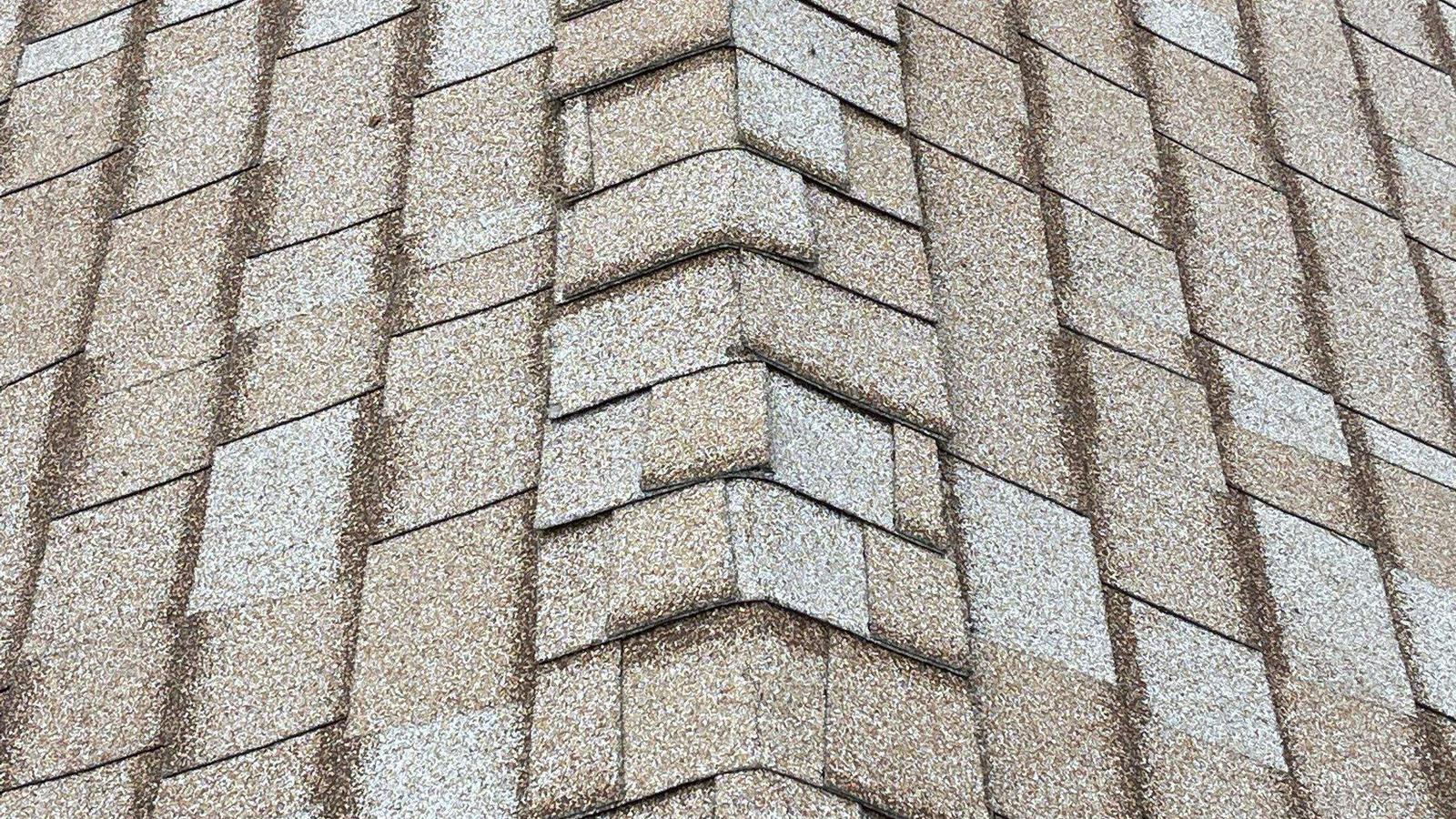
Colorado hailstorms expose weak or defective roofing products faster than almost any other weather event, especially along the Front Range where repeated storms, high winds, and intense sun already put roofing systems under stress. For homeowners and property managers, that matters because hail damage does not always start as an obvious leak. In many cases, a storm reveals manufacturing defects, poor product fit for the climate, or installation issues that shorten roof life and complicate an insurance claim. Knowing what tends to fail can help you catch damage early and make better decisions about repair or roof replacement.
Why Colorado hail is such a tough test for roofing
Colorado is part of "Hail Alley" for a reason. Roofs here often face a combination of:
- Large hail impact
- Fast temperature swings
- Strong wind uplift
- High UV exposure
- Snow load followed by quick melt cycles
A roofing product might perform adequately in a milder climate but struggle in Colorado. When hail hits, it can act like a stress test. Materials that are brittle, poorly adhered, thin, aging prematurely, or manufactured inconsistently tend to show problems first.
That does not always mean hail was the only issue. Often, the storm reveals a pre-existing weakness that had not yet become visible from the ground.
What hailstorms commonly reveal
1. Brittle or low-performing shingles
Some asphalt shingles lose flexibility sooner than expected. Once a shingle becomes brittle, hail impact is more likely to fracture the mat, dislodge granules, or create bruising that weakens the waterproofing layer.
Common warning signs include:
- Random cracking after a storm
- Excessive granule loss in gutters or downspouts
- Dark impact marks
- Edges that break instead of flex during handling
- Damage patterns that seem worse than neighboring roofs of similar age
When one roof in a neighborhood is heavily damaged and another with similar exposure is not, product quality, product condition, or installation details may be part of the explanation.
2. Premature granule loss
Granules protect asphalt shingles from UV degradation. If a product sheds granules too easily, hail can accelerate the wear dramatically. A roof may still look mostly intact from the street while the protective surface has been stripped away in multiple areas.
That matters because once granules are gone, shingles can age faster, become more heat-sensitive, and lose impact resistance. In a place like Colorado, where strong sun follows severe storms, that can shorten the service life of the roof significantly.
3. Weak adhesive seals and wind-related failure
Hailstorms in Colorado often come with high wind. If shingle seal strips did not bond properly, or if the product itself has weak sealing performance, the storm may leave shingles lifted, creased, or partially detached.
In these situations, what looks like hail damage may also include wind damage, such as:
- Lifted tabs
- Broken seal lines
- Creased shingles
- Missing shingles after the storm
- Exposed nail lines due to movement
Once shingles lose their seal, the roof becomes more vulnerable in the next storm cycle.
4. Defects around accessory materials
Roofing systems fail at more than just the field shingles. Hail can reveal weaknesses in:
- Ridge cap products
- Starter shingles
- Hip and ridge accessories
- Vents and pipe boots
- Skylight surrounds
- Flashing interfaces
A roof may have decent shingles but weaker accessory components that crack, split, dent, or separate under impact. These smaller failures often become leak points later.
5. Underperforming commercial roofing membranes
On commercial roofs, hail may expose membrane weaknesses, seam problems, puncture susceptibility, or failing rooftop components. Single-ply systems, coatings, metal roof assemblies, and low-slope drainage details each respond differently to hail.
Property managers should watch for:
- Membrane punctures or tears
- Crushed insulation under the membrane
- Seam stress
- Damage around penetrations and curbs
- Dents affecting drainage patterns
- Hidden moisture intrusion after impact
For commercial properties, prompt documentation is important. A storm can create damage that is not immediately visible inside the building but still affects long-term performance. Learn more about commercial roofing services.
Defective product or storm damage?
This is one of the most common questions after a Colorado hailstorm. In real-world inspections, the answer is sometimes both.
A hailstorm may not create every condition found on a roof. Instead, it can:
- Worsen an existing product defect
- Make a latent weakness visible
- Accelerate failure in an aging material
- Trigger leaks at already vulnerable details
- Expose inconsistent installation that had not yet caused symptoms
That distinction matters for planning repairs, documenting conditions, and communicating with insurance carriers. A thorough inspection should separate storm-created damage from wear, mechanical damage, installation errors, and product-related concerns as clearly as possible.
As HAAG Certified Master Inspectors, we document roof conditions in a way that helps homeowners and property managers understand what happened and what action makes sense next. If you suspect storm-related issues, see our hail damage inspection services.
Roofing products and details that deserve extra attention after hail
After a major storm, these areas should be checked closely:
Asphalt shingle roofs
- Soft metal impacts on vents, flashing, and gutters
- Shingle bruising or mat fracture
- Granule loss beyond normal aging
- Creases from wind lift
- Exposed or backing-out nails
- Ridge cap splitting
Metal roofing
- Functional damage at seams or locks
- Denting near panel laps
- Fastener issues on exposed-fastener systems
- Damage to flashing, trim, and roof accessories
- Coating damage that may lead to corrosion over time
Tile or specialty steep-slope roofs
- Cracked tiles or fractured corners
- Broken fastener attachment points
- Underlayment exposure
- Displaced pieces from wind and impact together
Low-slope and commercial roofs
- Membrane punctures
- Damage to rooftop units and penetrations
- Compromised flashing edges
- Drainage obstruction or ponding changes
- Insulation compression beneath impact zones
Why a visual check from the ground is not enough
Many property owners wait for an interior leak before calling for help. That can be a costly delay.
Hail damage often starts as reduced roof integrity rather than immediate water entry. A roof can still shed water for a while even after impact has weakened shingles, loosened seals, or damaged flashing. By the time stains appear inside, the repair scope may be larger.
A professional roof inspection is useful because it looks for:
- Functional damage, not just cosmetic marks
- Patterns consistent with hail direction and impact size
- Damage to accessories and soft metals
- Signs of product failure versus normal weathering
- Repairability versus full roof replacement needs
For residential properties, you can learn more about residential roofing services.
What to do after a Colorado hailstorm
If you think a storm may have exposed weak roofing materials or defective components, take these steps:
Do a safe ground-level review
- Look for dented gutters, downspouts, window screens, fence stains, or damaged soft metals.
- Check for shingle pieces or unusual granule buildup near downspouts.
Document the date of the storm
- Save weather alerts, photos, and notes about hail size and wind if possible.
Do not assume "no leak" means "no damage"
- Hidden damage can still support an insurance claim if documented properly.
Schedule a professional inspection
- An experienced inspector can identify whether the storm exposed a material weakness, created functional damage, or both.
Review repair versus replacement options
- In some cases, a targeted repair is appropriate.
- In others, widespread damage or product deterioration makes roof replacement the more durable option.
Get help with claim documentation if needed
- Clear photo evidence and condition notes can make the insurance claim process more straightforward.
If you are comparing options, our pricing page and roof repair pricing information can help you plan next steps.
How better product selection reduces future storm problems
Not every roof can stop every hailstone, but smarter product selection can improve resilience. When evaluating a replacement after hail damage, it helps to ask:
- Is this product proven to perform well in Colorado conditions?
- Is the shingle or roofing membrane appropriate for the building type and slope?
- Are all accessory components matched correctly?
- Will the installation details support wind performance as well as impact resistance?
- Is the existing ventilation and drainage setup helping or hurting roof life?
The goal is not just to replace what failed. It is to understand why it failed and choose a roofing system better suited to local weather.
When to call for an inspection
You should schedule an inspection promptly if:
- Hail was large enough to dent metal surfaces around the property
- Neighbors are getting roofs inspected or replaced
- Your roof is older or has a history of repairs
- You notice granules collecting heavily after a storm
- Shingles appear lifted, creased, or missing
- A commercial building has rooftop equipment or membrane areas exposed to direct impact
In Colorado and Wyoming, storm damage documentation is time-sensitive. Even if the roof is not actively leaking, waiting too long can make it harder to separate storm damage from ongoing wear.
Next step
If a recent Colorado hailstorm may have exposed weak or defective roofing products on your home or commercial building, AC INC. Roofing can help. We provide free roof inspections and estimates, clear photo documentation, and practical guidance on repairs, roof replacement, and insurance claim support. Contact us through our contact page to schedule an inspection.