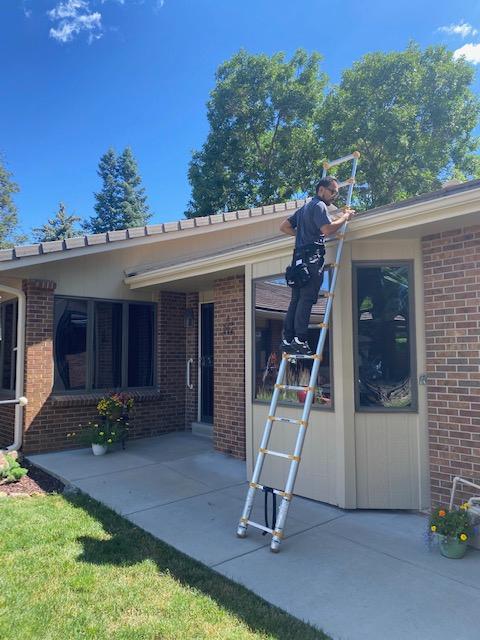
If a Colorado hailstorm roof damage event just hit your home, the first 24 hours matter more than most homeowners realize. What you do right away can limit water intrusion, protect your insurance claim, and help you avoid turning a repairable problem into a full roof replacement. The goal is simple: stay safe, document what happened, prevent additional damage, and get a qualified inspection scheduled as soon as conditions allow.
1. Make safety your first priority
The roof can wait a few hours if conditions are still dangerous. Hailstorms in Colorado often bring high winds, lightning, slick surfaces, and broken glass. Do not climb on the roof, and do not send a family member up for a "quick look."
Instead, start with a ground-level safety check:
- Look for downed power lines or damaged electrical service
- Keep people and pets away from fallen branches, loose siding, and broken skylights
- Watch for active leaks near light fixtures or ceiling fans
- Move furniture, electronics, and valuables away from wet areas
- If water is entering the home, use buckets or towels to contain it
If you suspect structural damage, leave the affected area and call emergency services or your utility provider if needed.
2. Do a ground-level exterior check
Once the storm has passed, walk your property and look for visible signs of hail damage from the ground. You are not trying to diagnose every roofing issue yourself. You are looking for clues that justify a prompt professional inspection.
Common signs after a Colorado hailstorm include:
- Dents on gutters, downspouts, garage doors, window trim, or metal roof accessories
- Shingle granules collecting at the bottom of downspouts or in splash blocks
- Pieces of shingles or flashing on the ground
- Damage to screens, patio covers, AC fins, or painted metal surfaces
- Tree limbs or debris on the roof
These “soft metal” impact marks often help show the storm intensity and support a hail damage assessment. If your gutters or metal vents are dented, there is a real chance the shingles took hits too.
For more on storm-related inspections and documentation, see our hail damage services.
3. Check inside for leaks and hidden moisture
Not all roof damage shows up outside first. Some of the most important evidence is inside the house.
Walk room to room and check:
- Ceilings for fresh water spots, bubbling paint, or discoloration
- Attics for damp insulation, wet decking, or visible daylight
- Walls around chimneys, skylights, and vents
- Window frames and upper-story trim for water entry
Take photos of anything new or suddenly worse after the storm. If possible, note the room, time, and exact location. That simple habit makes later conversations with your roofer and insurance adjuster much easier.
4. Document everything before cleanup starts
This is one of the biggest mistakes homeowners make: cleaning up too fast and losing evidence. You can remove immediate hazards, but document first.
Create a basic storm file on your phone:
- Photos of the roof from the ground from multiple angles
- Photos of dents on gutters, vents, metal caps, and downspouts
- Photos of broken windows, screens, siding, or fallen branches
- Photos and videos of interior leaks or ceiling stains
- Wide shots of the whole property and close-ups of specific damage
- Screenshots of the storm date and local weather report if available
It also helps to write down:
- The date and approximate time of the hailstorm
- Hail size if you observed it
- Wind direction or severe conditions you noticed
- When leaks were first seen
- Any emergency steps you took to reduce damage
Good documentation does not replace a professional inspection, but it does strengthen your timeline and help support an insurance claim.
5. Prevent additional damage with temporary protection
Insurance policies generally expect homeowners to take reasonable steps to prevent more damage after a storm. That does not mean performing risky repairs yourself.
Safe temporary measures may include:
- Placing buckets under active leaks
- Using towels or plastic sheeting inside to protect flooring and contents
- Moving belongings out of wet rooms
- Arranging emergency tarping by a qualified roofing contractor if the roof is exposed
- Trimming only small, safely reachable branches that are causing immediate risk
Avoid these common mistakes:
- Climbing onto a wet or hail-damaged roof
- Pressure washing or aggressively cleaning the roof
- Throwing away damaged materials without photos
- Letting an unqualified storm chaser perform major work before inspection and claim review
If you need urgent help securing the property, contact a local contractor with storm-damage experience, not just a general handyman.
6. Schedule a professional roof inspection fast
The best next move within the first 24 hours is to book a qualified roof inspection. In Colorado’s Front Range, severe storms can hit entire neighborhoods at once, and contractor schedules fill quickly.
A professional inspection matters because hail damage is not always obvious from the ground. A trained inspector looks for:
- Functional damage to asphalt shingles
- Bruising, granule loss, and impact marks
- Damage to flashing, vents, ridge cap, and roof accessories
- Evidence of wind lift or compromised seals
- Damage patterns consistent with the reported storm
- Related issues on gutters, siding, skylights, and other exterior components
At AC INC. Roofing, our HAAG Certified Master Inspectors document storm damage the way insurance carriers expect. That matters when the damage is borderline, when the roof is older, or when multiple trades are involved.
If your property is residential, learn more about our residential roofing services. If you manage a multifamily, office, retail, or industrial property, see our commercial roofing services.
7. Decide whether to call your insurance carrier
Not every hail event leads to a claim, but significant roof damage often does. The key is timing and documentation.
A good rule of thumb:
- If there are active leaks, visible exterior impact marks, or widespread neighborhood damage, schedule an inspection immediately
- If the inspection shows functional hail damage, you will likely want to contact your carrier and start the claim process
- If the damage is minor or mostly cosmetic, your contractor can help you understand whether repair or monitoring makes more sense
Before you call, gather:
- Your policy information
- The storm date
- Your photos and notes
- Any emergency mitigation receipts
- The inspection appointment details or report, if available
Be factual and concise. Describe what happened, what damage you observed, and what temporary steps you took.
8. Be careful with “free roof” promises
After major hail, out-of-town storm contractors often flood Colorado neighborhoods. Some are legitimate. Many are not.
Watch for red flags like:
- High-pressure door knocking
- Demands to sign paperwork on the spot
- Promises to “waive” deductibles or cover them in questionable ways
- Vague answers about licensing, local presence, or inspection methods
- Requests for large upfront payments before scope approval
Choose a contractor who can explain the damage clearly, document it thoroughly, and communicate professionally with your adjuster when needed. That is especially important if your roof has a steep slope, complex design, or mixed damage from hail, wind, and age.
9. Know the difference between emergency repair and full replacement
Right after a storm, many homeowners ask the same question: "Do I need a full roof replacement?"
Maybe, but not always.
In the first 24 hours, the focus should be on determining:
- Is the roof actively leaking?
- Is there functional hail damage to the shingles or roofing system?
- Is the damage isolated enough for repair?
- Are gutters, siding, or other exterior systems also affected?
A trustworthy contractor will not jump straight to replacement without inspection findings. Some homes need targeted repairs. Others need full replacement because the damage is widespread or the roofing system has been compromised in multiple areas.
If you want a sense of repair versus replacement considerations, visit our roof pricing page or repair pricing page.
10. Your first-24-hours checklist
Here is the short version if you need a quick action plan:
- Stay off the roof and make sure the area is safe
- Check for interior leaks and protect belongings
- Walk the property and look for ground-level signs of hail damage
- Take photos and videos before cleanup
- Save notes on storm timing and conditions
- Use safe temporary measures to prevent more water damage
- Schedule a professional hail-damage inspection
- Contact insurance if the inspection supports a claim
- Keep receipts for emergency mitigation
- Avoid high-pressure storm chasers and rushed contracts
Why speed matters in Colorado
Colorado is part of “Hail Alley” for a reason. Hail can bruise shingles, loosen granules, damage flashing, and shorten roof life even when the roof does not leak the same day. Waiting too long can create two problems: hidden damage gets worse, and the claim process becomes harder to document clearly.
Fast action does not mean panic. It means a calm, organized response with good records and the right inspection.
Next step
If your home or building was hit by hail, AC INC. Roofing can inspect the roof, document storm damage, and help you understand whether you need repair, replacement, or insurance-claim support. Contact us for a free inspection or estimate through our contact page.