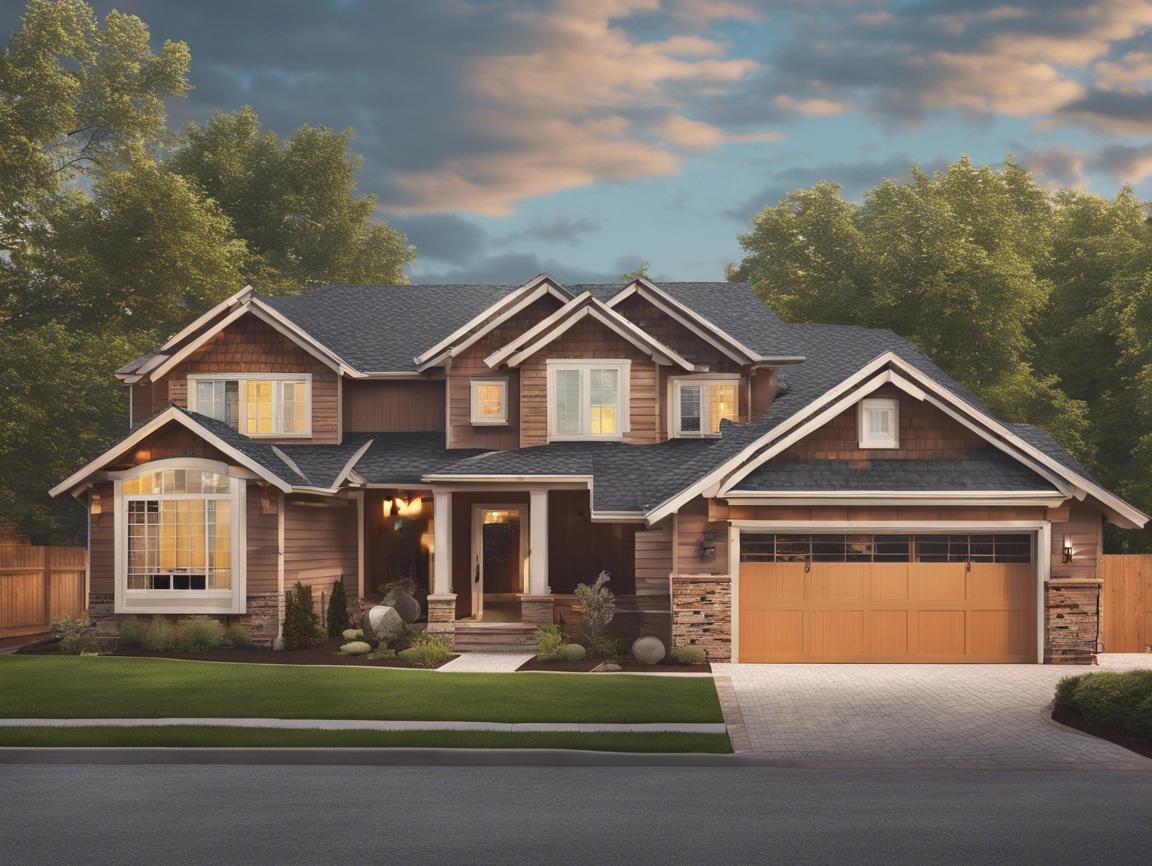
Colorado hail-resistant roofing matters because homes across the Front Range and nearby mountain communities are exposed to repeated hail, high wind, and fast weather swings that can shorten a roof’s life. If you are comparing roofing materials after a storm or planning ahead before the next one, the right hail-resistant roof can reduce damage, limit repair frequency, and make the insurance claim and roof replacement process easier to manage when severe weather hits.
Why hail-resistant roofing matters in Colorado
Colorado sits in one of the country’s most active hail regions. Along the Front Range, homeowners regularly deal with storms that combine:
- Large hail
- High wind
- Rapid temperature changes
- Strong UV exposure
- Heavy snow followed by spring thaw
That combination is hard on any roofing system. Even when hail does not punch obvious holes in a roof, it can bruise shingles, loosen granules, crack matting, damage flashing, and shorten the roof’s service life. In many cases, the damage is not easy to spot from the ground.
A hail-resistant roofing system is designed to better absorb impact or resist surface breakage than standard materials. That does not mean it is hail-proof. Any roof can be damaged by a severe enough storm. The goal is to improve your odds, reduce the extent of damage, and protect the parts of the home that are expensive to repair once water gets in.
What “hail-resistant” actually means
When homeowners hear “impact resistant,” they often assume a roof will shrug off every storm. That is not how roofing works in the real world.
In general, hail-resistant roofing refers to materials designed and tested to perform better under impact than conventional options. You may hear the term “Class 4” most often. That typically refers to an impact-resistance rating used to compare certain products under standardized testing.
Important reality check
A Class 4 or impact-resistant product is not a guarantee against:
- All cosmetic damage
- All functional damage
- Leaks from extreme storms
- Damage to flashing, vents, skylights, gutters, or siding
- Insurance claim disputes
It is still possible for a hail-resistant roof to need repair or full roof replacement after a major Colorado storm. The value is that these products often hold up better in more common hail events and may reduce how often serious damage occurs.
Best hail-resistant roofing options for Colorado homes
The best roofing material depends on your budget, home style, slope, neighborhood requirements, and long-term plans. Here are the most common options homeowners compare.
Impact-resistant asphalt shingles
For many Colorado homeowners, impact-resistant asphalt shingles are the most practical starting point. They look similar to standard architectural shingles but are engineered to better handle impact.
Why homeowners choose them:
- Familiar appearance
- Broad color and style options
- More affordable than some premium systems
- Widely used for roof replacement in Colorado
- Often available in products tested for higher impact resistance
Things to keep in mind:
- Not every shingle marketed as durable performs the same way
- Installation quality matters as much as product choice
- Hail can still damage soft metals, ridge components, vents, and accessories even if field shingles hold up well
If your current shingle roof was recently damaged, this is often the first upgrade homeowners ask about during a hail-damage inspection.
Metal roofing
Metal roofing is another strong option for hail-prone areas, especially when homeowners want longevity and a more premium system. Metal roofs can perform very well in severe weather, but the details matter.
Potential advantages:
- Strong weather resistance
- Good shedding for snow and rain
- Long service life in many applications
- Available in several profiles and finishes
Potential drawbacks:
- Higher upfront cost than many shingle systems
- Cosmetic denting can still happen in hailstorms
- Some profiles and gauges perform better than others
- Repairs may require a contractor familiar with the product type
For some homeowners, a dented metal roof is still acceptable if the system remains functional. For others, cosmetic appearance matters enough that dent resistance becomes a major consideration.
Synthetic roofing products
Some synthetic shingles and composite roofing products are marketed specifically for impact resistance. These can be attractive when homeowners want a different look, such as slate- or shake-style roofing, without the weight or fragility of natural materials.
Possible benefits:
- High-end appearance options
- Lighter weight than some traditional materials
- In some cases, strong impact-resistance ratings
Possible considerations:
- Product quality varies by manufacturer
- Availability may be more limited than asphalt shingles
- Installation experience is important
Tile, slate, and wood shake
These materials can be beautiful, but they are often less forgiving in hail country unless you choose specialty products specifically designed for impact resistance.
In many Colorado neighborhoods, standard tile, natural slate, and wood shake require closer evaluation because hail can crack, split, or break individual pieces. If you love the look, ask about alternatives that offer a similar appearance with better storm performance.
How to choose the right hail-resistant roof
Do not choose based on marketing alone. A roof system should fit your home, your risk tolerance, and your budget.
Here are the factors that matter most.
1. Your location and storm exposure
A home in the Front Range, eastern Colorado plains, or nearby Wyoming markets like Cheyenne may see frequent hail and wind events. Roof pitch, tree coverage, and neighborhood exposure also affect how vulnerable the roof is.
2. Your insurance situation
If you are replacing a roof because of storm damage, talk through the insurance claim process carefully. The roof material you select can affect documentation, scope discussions, and future expectations.
A contractor who understands storm restoration can help identify what was damaged and document it clearly for the carrier. At AC INC. Roofing, our HAAG Certified Master Inspectors document storm damage the way insurance carriers expect, which helps homeowners and property managers make cleaner decisions after inspections.
3. Long-term ownership plans
Ask yourself:
- Are you planning to stay in the home for many years?
- Is curb appeal a top priority?
- Are you trying to reduce repeat hail damage repairs?
- Are you balancing cost now against durability later?
Your answers may point you toward an upgraded shingle, a metal system, or another impact-resistant option.
4. The full roofing system
Hail resistance is not just about shingles or panels. A durable system also depends on:
- Underlayment
- Flashing
- Ridge components
- Pipe boots and vents
- Gutters and downspouts
- Proper ventilation
- Installation quality
If one weak component fails, water can still reach the home. That is why complete system evaluation matters during residential roofing projects.
What hail damage looks like on a roof
Even hail-resistant roofs should be inspected after a significant storm. Damage is not always obvious.
Common signs include:
- Circular impact marks on shingles
- Granule loss in concentrated areas
- Bruising or soft spots in asphalt shingles
- Cracked or split shingle tabs
- Dents on metal vents, flashing, and gutters
- Damage to window screens, siding, or fence stain that suggests roof impacts too
What homeowners should not do
Avoid climbing onto the roof to investigate after a storm, especially if the surface is steep, wet, or visibly damaged. Hail damage can be subtle, and safety should come first.
A professional inspection is the better next move, especially if you plan to file an insurance claim.
When repair makes sense vs. full roof replacement
Not every hail event means you need a full replacement. The right solution depends on the age of the roof, the extent of damage, and whether the impacts are cosmetic, functional, or widespread.
Repairs may make sense when:
- Damage is limited to a small area
- Matching materials are available
- The roof is otherwise in good condition
- There is no broad pattern of impact damage
Replacement may make more sense when:
- Damage is spread across multiple slopes
- The roof is already older or near the end of its life
- Matching materials are difficult to source
- Functional damage affects the roof’s ability to shed water
If you want a ballpark understanding before making a decision, review roofing pricing or repair pricing information, then schedule an inspection for a more accurate recommendation.
Questions to ask before installing a hail-resistant roof
Before you sign a contract, ask the contractor:
- Which impact-resistant products do you recommend for my home and why?
- How does this product typically perform in Colorado hail?
- What parts of the system are being replaced besides the field roofing material?
- Are there ventilation or decking issues that need attention?
- How will storm damage be documented if this is an insurance claim?
- What maintenance should I expect after installation?
For commercial buildings, the questions may also involve membrane type, rooftop equipment, drainage, and tenant disruption. If you manage a multifamily or mixed-use property, a commercial roofing assessment may be the better starting point.
A practical approach for Colorado homeowners
If you are deciding what to do after a storm, keep the process simple:
- Schedule a professional hail-damage inspection.
- Confirm whether the damage is cosmetic, functional, localized, or widespread.
- Review repair versus replacement options.
- Compare hail-resistant materials that fit your budget and goals.
- Make sure the full roof system—not just the shingles—is part of the plan.
A good roofing decision is not about buying the most expensive product. It is about choosing the system that gives your home better protection in Colorado’s real weather conditions.
Next step
If you want help comparing hail-resistant roofing options in Colorado, AC INC. Roofing can inspect your roof, document any storm damage, and walk you through practical replacement or repair options. Contact us for a free inspection or estimate at /contact.