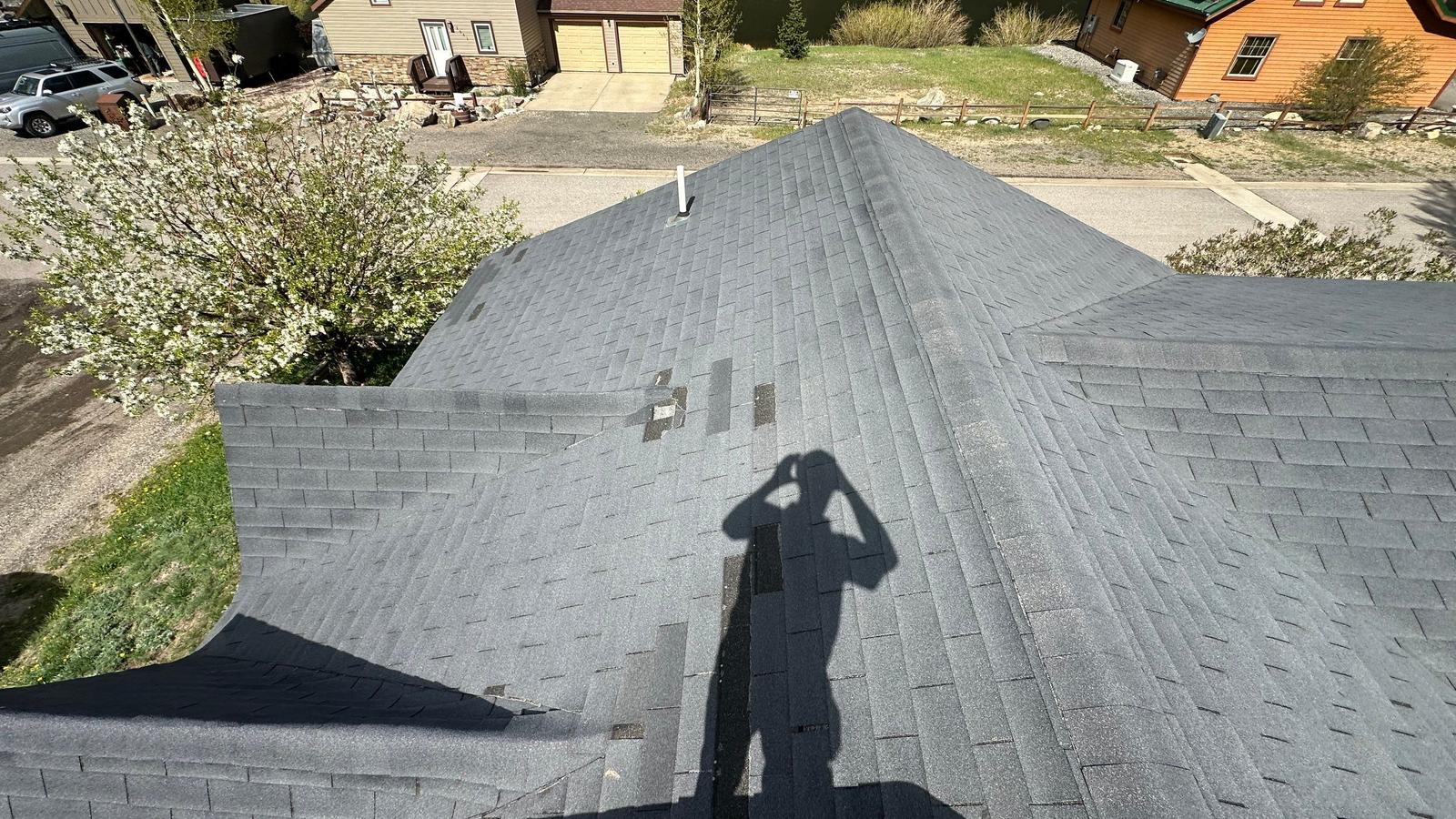
A Colorado fall roof inspection helps Denver homeowners find small roofing problems before snow, ice, and winter wind turn them into leaks, interior damage, or a more expensive roof replacement. In Colorado’s Front Range, hail damage, sun exposure, and fast temperature swings can weaken shingles, flashing, gutters, and attic ventilation long before a roof starts actively leaking. The good news is that a careful pre-winter review can catch many of these issues early.
Why fall roof inspections matter in Denver
Denver roofs take a beating year-round. Summer hail, high UV exposure, wind-driven rain, and freeze-thaw cycles all work against roofing materials. By fall, many homes have hidden wear that is easy to miss from the ground.
A fall inspection matters because winter tends to magnify existing problems:
- Loose shingles can tear off in wind or under snow load.
- Small flashing gaps can become active leaks during ice and melting cycles.
- Clogged gutters can back water up onto the roof edge.
- Poor attic ventilation can contribute to condensation and ice dam issues.
- Unnoticed hail damage can shorten the remaining life of the roof.
If your home was hit by a recent storm, a professional hail damage inspection is especially important before cold weather sets in.
1. Check for missing, lifted, or damaged shingles
Shingles are the first line of defense, and they often show the earliest signs of trouble.
Look for:
- Missing shingles
- Lifted or creased tabs
- Cracked, torn, or curled shingles
- Exposed nail heads
- Areas that look patched or uneven
In Denver, wind and hail can loosen shingles without causing an immediate leak. If a shingle seal has broken, winter gusts and snow can make the damage spread quickly.
What homeowners can safely do
From the ground, use binoculars to scan roof slopes for irregular lines, color changes, or bare spots. If you can safely view upper slopes from a window, that can help too. Avoid climbing a steep or high roof yourself, especially in fall when mornings can be slick.
2. Look for hail damage from summer storms
Many Front Range homeowners do not realize they have hail damage until months later. Granule loss, bruising, and impact marks may not leak right away, but they can weaken the roof system.
Common warning signs include:
- Dark spots where shingle granules are missing
- Random impact marks on shingles, vents, or soft metal components
- Dents on gutters, downspouts, flashing, or garage doors
- Granules collecting in gutters or at downspout exits
Not all hail damage is obvious from the ground, and not every mark is functional damage. This is where documentation matters, especially if you may need an insurance claim. A trained inspector can separate normal wear from storm-related damage and document it in a way carriers expect.
3. Inspect flashing around roof penetrations
Flashing protects the joints and transitions where water is most likely to enter. Even a good shingle roof can leak if flashing has failed.
Pay close attention to areas around:
- Chimneys
- Skylights
- Plumbing vents
- Furnace vents
- Roof-to-wall intersections
- Valleys
Signs of flashing problems include rust, bent metal, lifted edges, failed sealant, or staining on nearby surfaces. In winter, melting snow can find these weak points fast.
4. Clean and inspect gutters and downspouts
Gutters are a roofing issue, not just a drainage issue. If they are clogged with leaves, granules, or debris, water can overflow near the foundation or back up at the roof edge.
During your fall check, look for:
- Gutters full of leaves or sediment
- Sagging sections
- Loose spikes or brackets
- Separated joints
- Downspouts that discharge too close to the home
- Granule buildup that may suggest shingle wear
Denver’s freeze-thaw weather makes good drainage especially important. Water trapped in clogged gutters can freeze, expand, and contribute to ice problems along the eaves.
5. Examine roof valleys and low-slope sections
Valleys handle a high volume of water and are one of the first areas to show wear. Low-slope roof sections over porches, additions, or dormers can also develop problems sooner than steeper sections.
Watch for:
- Debris trapped in valleys
- Worn or thinning shingle surfaces
- Exposed underlayment
- Ponding or staining on low-slope areas
- Areas where water appears to drain slowly
These sections deserve extra attention because snowmelt tends to concentrate there. A minor issue in a valley can become a major leak path during winter storms.
6. Check attic ventilation and insulation signs
A fall roof inspection should include the attic, because not every roofing problem starts outside. Poor ventilation and insulation imbalance can contribute to condensation, moisture staining, and ice dam conditions.
Inside the attic, look for:
- Damp insulation
- Mold or mildew odors
- Frost on nails or roof decking during cold spells
- Dark water stains on wood
- Daylight coming through the roof system
- Areas that feel unusually hot or stuffy
Good airflow helps regulate roof temperature and moisture levels. If your attic is trapping warm, moist air, winter conditions can expose the problem quickly.
7. Look for interior leak warnings
Sometimes the earliest clue of roof trouble appears inside the house, not on the shingles.
Check ceilings, walls, and upper-floor rooms for:
- Water stains
- Peeling paint
- Bubbling drywall texture
- Discolored trim
- Musty smells after rain or snow
These signs do not always mean you need a full roof replacement, but they do mean the source should be identified promptly. Water can travel before it becomes visible, so the stain may not be directly below the actual roof issue.
8. Inspect soffit, fascia, and roof edges
The roof edge system helps protect your decking, attic, and gutter attachment points. When soffit or fascia boards are deteriorating, water and pests can gain access.
Look for:
- Peeling paint or soft wood
- Rot at gutter attachment points
- Gaps where animals could enter
- Bent drip edge metal
- Staining beneath eaves
Roof edge damage often develops gradually. Catching it in fall can prevent more extensive repairs after winter moisture sets in.
9. Watch for chimney and masonry issues
Chimneys often create leak points because they combine roofing, flashing, mortar, and sealant in one exposed area.
Check for:
- Cracked or missing mortar
- Deteriorated chimney crown
- Loose counterflashing
- Sealant failure around the chimney
- White staining or spalling brick
If water is getting into masonry and then freezing, damage can accelerate over winter. Even if the shingles are in decent shape, chimney-related leaks can still show up during snow season.
10. Consider the roof’s age and repair history
A roof does not have to be actively leaking to be near the end of its practical service life. Fall is the right time to ask whether repeated repairs are still the best move.
Think about:
- Approximate roof age
- Number of past repairs
- Whether storm damage has occurred more than once
- Whether multiple slopes show wear at the same time
- Whether insurance-related damage was ever formally documented
If your roof has a pattern of recurring issues, it may be time to compare repair costs with replacement planning. For homeowners weighing options, our roof pricing page and repair pricing page can help you understand the next step.
When to call a professional roofer
A homeowner can spot many warning signs, but some issues need a close, trained inspection. That is especially true after hail events, high wind, or if you are preparing an insurance claim.
Call a professional if:
- You suspect hail damage
- You see missing or creased shingles
- There is active leaking or interior staining
- Flashing appears damaged
- Your gutters contain a large amount of shingle granules
- Your roof is older and you are unsure whether repair or replacement makes more sense
At AC INC. Roofing, our HAAG Certified Master Inspectors document storm and wear damage thoroughly for homeowners across the Front Range. If your property includes detached structures, steep slopes, or low-slope sections, a professional inspection is the safest and most accurate way to assess condition. We also help with both residential roofing and commercial roofing needs when properties have mixed-use or multifamily components.
A simple fall roof inspection checklist
Before winter, make sure you review these 10 areas:
- Shingles for missing, lifted, cracked, or curled sections
- Hail damage on shingles and metal components
- Flashing around chimneys, vents, skylights, and walls
- Gutters and downspouts for clogs or separation
- Valleys and low-slope sections for wear or debris
- Attic ventilation and moisture signs
- Interior ceilings and walls for leak stains
- Soffit, fascia, and roof edges
- Chimney masonry and flashing condition
- Roof age, prior repairs, and overall replacement risk
Next step
If you want peace of mind before the first hard freeze, schedule a free roof inspection or estimate with AC INC. Roofing. We can identify hail damage, wear issues, and leak risks before winter makes them worse. Contact us through our contact page to get started.