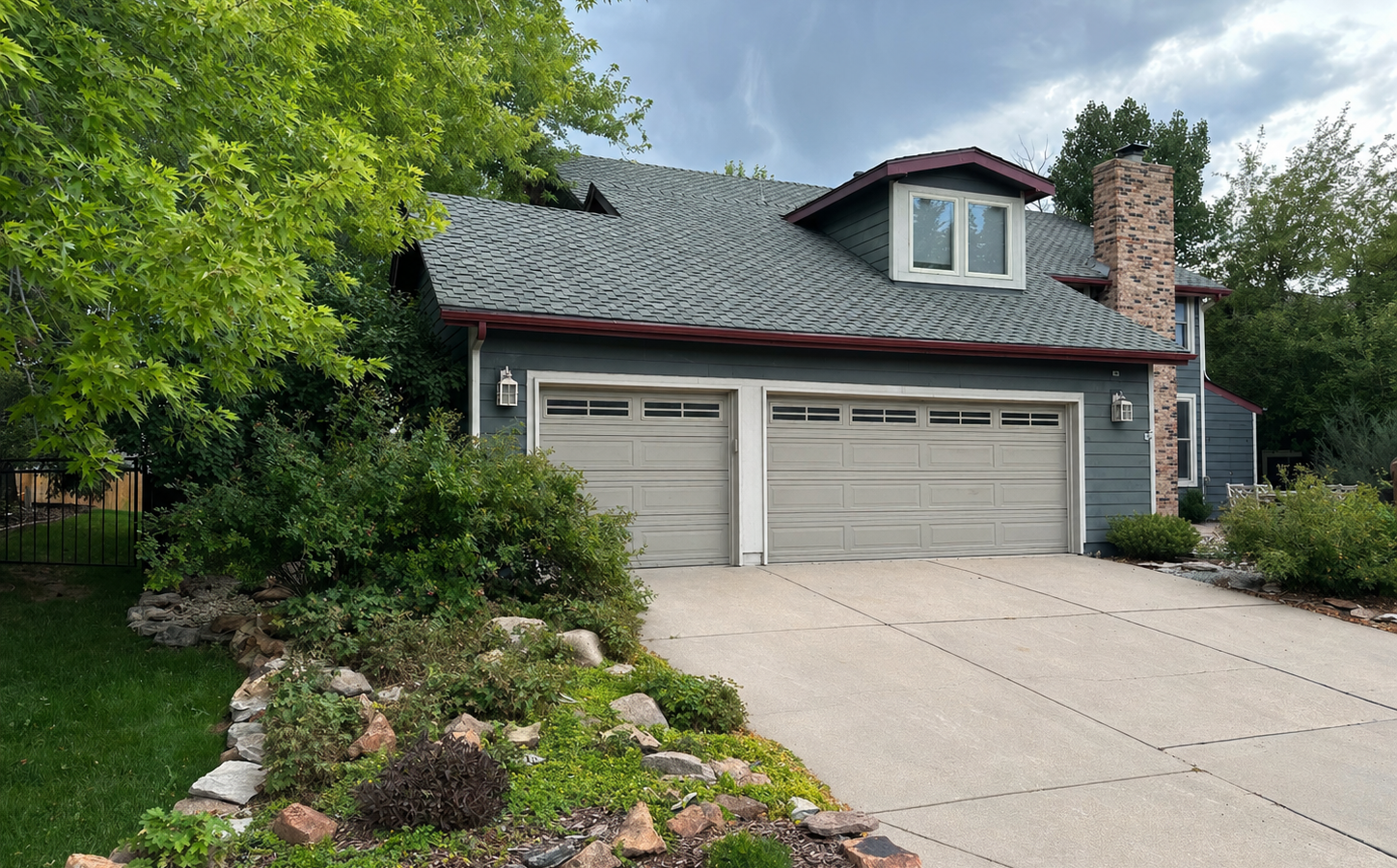
Class 4 shingles in Colorado are built to handle harsher weather, especially the hail and wind common along the Front Range. For many homeowners, they can offer two practical advantages: potential insurance benefits and fewer roof repairs or early replacement after storms. The key is understanding what Class 4 actually means, how insurers treat impact-resistant roofing, and whether the added upfront cost makes sense for your home, neighborhood, and claim history.
What are Class 4 shingles?
Class 4 shingles are asphalt shingles that have earned the highest common impact-resistance rating under a standardized test. In plain terms, they are designed to better resist hail strikes and reduce the chance of cracking, tearing, or losing granules compared with standard shingles.
That does not mean they are hail-proof. In Colorado's Hail Alley, even upgraded roofing materials can still be damaged by large or wind-driven hail. But Class 4 products are often more resilient in the kinds of storms that cause widespread cosmetic and functional damage to standard roofs.
What the rating actually means
The Class 4 label usually refers to a laboratory impact test where a steel ball is dropped from set heights onto the roofing product. A passing result suggests the shingle can better absorb impact without rupturing.
Important caveats:
- Lab testing is helpful, but real storms are messier than lab conditions.
- Performance depends on the full roof system, not just the shingle itself.
- Installation quality matters. Poor nailing, bad ventilation, or worn decking can shorten roof life regardless of product rating.
- Not every Class 4 shingle looks, costs, or performs the same in the field.
Why Class 4 shingles matter in Colorado
Colorado sees some of the most frequent and severe hail events in the country. Homeowners from Denver to Fort Collins to Colorado Springs, and north into Cheyenne, often deal with repeated storm cycles over the life of a roof.
That matters because hail damage is not always obvious from the ground. A roof can look mostly fine and still have:
- Bruised shingles
- Granule loss
- Fractured matting
- Damaged ridge caps
- Soft metal hits on vents, flashing, and gutters
- Shortened service life that shows up months later
A more impact-resistant roof can reduce the odds of these issues from moderate hail events. For property owners who have already gone through one insurance claim, avoiding a second claim in the next few seasons is often a major reason to consider an upgrade.
Insurance benefits of Class 4 shingles
One of the biggest reasons people ask about Class 4 shingles in Colorado is insurance. Some carriers offer discounts or preferred treatment for impact-resistant roofing, but the details vary a lot.
Possible premium discounts
Many insurers recognize that impact-resistant shingles may lower claim frequency or severity. Depending on the carrier and policy, a homeowner may qualify for a premium credit after installing a qualifying Class 4 roof.
Typical variables include:
- The shingle brand and product line
- Proof of impact rating
- Local underwriting rules
- Your claim history
- Whether the entire roof system was replaced
- Your ZIP code and storm exposure
The most important point: do not assume every insurer offers the same discount, or any discount at all. Before committing to a roof replacement, ask your agent these questions:
- Do you offer a discount for Class 4 shingles?
- Which products qualify?
- What documentation do you need?
- Is the discount available in my area?
- Will my deductible or coverage terms change?
Better claim positioning after future storms
Class 4 shingles do not guarantee claim approval, but they can still be part of a smarter long-term strategy. If a future storm hits, you want a roof system that is both more durable and well documented.
At AC INC. Roofing, our HAAG Certified Master Inspectors document storm damage the way insurance carriers expect. If you are replacing a roof after hail, we can help identify whether a Class 4 upgrade makes sense and provide the inspection and documentation needed for the claim process. Learn more about our hail damage services.
A note on deductibles and policy changes
In recent years, many Colorado homeowners have seen higher wind and hail deductibles, tighter policy language, or more scrutiny around roof claims. That means the math on a tougher roof system can be more favorable than it used to be, even if the insurance discount is modest.
If your deductible is significant, preventing one avoidable claim can matter as much as any annual premium savings.
Long-term savings: where the real value can come from
Insurance discounts get the attention, but the bigger value of Class 4 shingles is often in long-term ownership costs.
Fewer repairs after moderate storms
Not every hail event totals a roof. Many storms cause partial damage that leads to spot repairs, maintenance visits, or accelerated wear. A more impact-resistant shingle may reduce:
- Isolated shingle damage
- Premature granule loss
- Small leak risks around compromised roof areas
- Repeated service calls after back-to-back storm seasons
If your home has already needed storm-related roof repairs, it may be worth comparing a standard replacement against an upgraded impact-resistant system. You can review general roof pricing or repair pricing as a starting point.
Longer useful life in a hail-prone market
A roof's advertised lifespan and its real-world lifespan are not the same thing in Colorado. Sun exposure, freeze-thaw cycles, wind, and hail can all shorten how long a roof performs well.
Class 4 shingles may help preserve the roof's condition longer, especially when paired with:
- Proper attic ventilation
- Correct underlayment choices
- Quality flashing details
- Good installation practices
- Routine inspections after major storms
Again, this is not a promise of a specific lifespan. It is a durability upgrade that can improve the odds of getting more useful years from the roof before major storm damage forces replacement.
Potential resale appeal
For some buyers, a newer Class 4 roof is a practical selling point. In storm-prone areas, buyers often ask:
- How old is the roof?
- Has it been hit by hail?
- Was it replaced through an insurance claim?
- Is it impact-resistant?
A documented roof replacement with impact-resistant shingles can make those conversations easier, especially if the buyer is concerned about insurability or future maintenance.
When Class 4 shingles are worth it
Class 4 shingles are often a smart choice if:
- You live in a hail-prone part of Colorado or southeast Wyoming
- Your current roof is being replaced because of hail damage
- Your insurer offers a meaningful discount
- You plan to stay in the home for several years
- You want to reduce the chances of repeated storm repairs
- Your policy has a high wind or hail deductible
They may be less compelling if:
- The added material cost is your primary concern
- Your insurer offers no discount and you plan to move soon
- Your roof design or budget makes another system a better fit
The best answer usually comes from comparing the upgrade cost against likely ownership time, deductible exposure, and local storm history.
Questions to ask before choosing Class 4 shingles
Before signing a contract, ask your roofer and insurance agent:
- Which Class 4 products do you recommend for my roof slope and home style?
- What are the differences in appearance and wind ratings?
- Is the upgrade cost mainly material, or does installation change too?
- Will the manufacturer require a specific underlayment or accessory package?
- What proof will my insurer need for any discount?
- If this is part of an insurance claim, how is the upgrade handled?
If you are navigating a storm claim, it also helps to have a contractor who can explain what insurance may cover versus what would be considered a homeowner upgrade.
Why inspection quality matters as much as shingle choice
Choosing a better shingle is only part of the decision. The other part is knowing the actual condition of your current roof.
Many homeowners start by shopping products when they really need a qualified hail-damage inspection first. A proper inspection can determine:
- Whether the roof has functional hail damage
- Whether repair is realistic or replacement is more appropriate
- Whether siding, gutters, soft metals, or other exterior components were also affected
- What documentation will support an insurance claim
That is especially important after a recent storm, when neighborhoods often see aggressive sales activity and rushed opinions. A clear inspection report gives you a better basis for deciding whether to repair, replace, or upgrade. For homes, visit our residential roofing services. For multi-family, retail, office, or industrial properties, see our commercial roofing services.
Bottom line
For many homeowners, Class 4 shingles in Colorado are worth serious consideration because they address a real local risk: hail damage. The best-case benefits are a tougher roof, fewer storm-related headaches, and possible insurance savings. But the value depends on your insurer, your deductible, your timeline in the home, and the quality of the installation.
If you are replacing a roof after hail, this is usually the right time to price the upgrade and run the numbers carefully.
Next step
If you want to know whether Class 4 shingles make sense for your home, AC INC. Roofing can help. We offer free inspections and estimates, including storm-damage documentation and practical guidance on repair versus replacement. Contact us here: schedule an inspection.