After a major storm, choosing a trustworthy roofing contractor is one of the most important decisions a property owner can make. The right roofer helps you confirm whether you have real hail damage, wind damage, or wear-related issues, documents the condition clearly, and keeps your roof replacement or repair moving without creating insurance-claim problems. The wrong contractor can pressure you into a contract too early, miss critical damage, or leave you with poor workmanship and a harder claim process.
Why contractor choice matters after a storm
Storm season across Colorado’s Front Range and Wyoming can create a rush of roofing activity. When neighborhoods in places like Cheyenne, Laramie, Pine Bluffs, and Hail Alley get hit, homeowners and commercial property managers often hear from contractors within hours. Some are excellent. Some are simply chasing storms.
After a storm, your contractor is not just selling shingles. They are often helping with:
- roof and exterior inspection
- hail-damage and wind-damage documentation
- temporary repairs to prevent more water intrusion
- insurance-claim support
- scope review and repair or roof replacement planning
- coordination for gutters, siding, and related exterior work
That means trust, documentation quality, communication, and local accountability matter just as much as installation skill.
Start with local presence and real accountability
A trustworthy roofing contractor should be easy to identify, easy to contact, and still available after the storm rush is over.
Look for a contractor that:
- serves your area regularly, not only after major weather events
- has a physical business presence or established service footprint
- can explain local weather patterns, code expectations, and common roof systems
- will be available if you need follow-up service later
For property owners in Colorado and Wyoming, local experience matters because storm damage is not always obvious from the ground. Hail strikes, granule loss, lifted shingles, dented soft metals, damaged ridge components, and collateral damage to gutters or siding can all affect the scope.
A roofer familiar with the region is more likely to inspect the full system instead of treating the job like a one-day sales stop.
Verify licensing, insurance, and inspection expertise
Not every roofing contractor evaluates storm damage with the same level of care. Before you sign anything, ask a few direct questions.
Ask what they carry and how they inspect
A professional contractor should be able to discuss:
- general liability insurance
- workers’ compensation coverage where applicable
- whether they handle residential, commercial, or both
- how they inspect for hail damage and wind damage
- how they document findings for the owner and carrier
If a contractor becomes vague or defensive when asked for proof of insurance or details about their inspection process, that is a warning sign.
Ask who will actually inspect the roof
Sometimes the person knocking doors is not the person evaluating damage. Ask:
- Who will perform the inspection?
- Will they walk the roof?
- Will they inspect soft metals, vents, flashing, gutters, and siding too?
- Will they provide photos and a written summary?
This is especially important when storm damage is borderline or disputed. A detailed inspection can make a real difference in understanding whether you need repairs, monitoring, or a full roof replacement.
If you need a storm-focused assessment, a contractor that regularly handles hail damage inspections is a safer choice than one relying on a quick visual check from the driveway.
Watch for the biggest storm-chasing red flags
After a hailstorm, urgency is real—but pressure is not professionalism. Be cautious if a contractor:
- says you must sign immediately to “save your claim”
- offers to cover your deductible or implies they can hide costs
- promises insurance approval before inspecting thoroughly
- says they found major damage but will not show photos
- asks for a large payment before materials or scheduling are clear
- uses vague paperwork that does not explain what you are authorizing
- avoids written communication
- cannot explain the difference between repairable damage and replacement-level damage
Another red flag is a contractor who treats every roof the same. A good roofer should explain why your roof condition, age, slope, material type, ventilation, and storm exposure affect the recommendation.
Understand the paperwork before you sign
One of the most common mistakes after a storm is signing a document that feels like “just an inspection form” but actually commits you to the contractor.
Before signing, ask:
- Is this an inspection authorization, a contingency agreement, or a full construction contract?
- Am I committing to use your company if insurance approves the claim?
- What happens if I want a second opinion?
- Are repairs, full replacement, gutters, or siding included—or not included?
- How are supplements, change orders, and unforeseen deck issues handled?
A trustworthy roofing contractor should welcome these questions. Clear paperwork protects both sides.
If you are comparing costs or trying to understand repair-versus-replacement options, it can also help to review general roofing pricing information or more specific roof repair pricing before making a decision.
Choose a contractor who documents storm damage well
Good storm documentation is one of the biggest differences between a smooth insurance process and a frustrating one.
What strong documentation usually includes
A professional storm inspection often includes:
- date of inspection and recent storm context
- roof material and slope notes
- photo documentation of damage indicators
- notes on soft metal impacts
- elevation-by-elevation findings
- collateral damage on gutters, downspouts, siding, window screens, or other exterior components
- repairability concerns and code-related observations where relevant
This does not mean the contractor decides the claim outcome. It means they give you and your carrier clear, organized information.
For homeowners, that can reduce confusion. For commercial property managers, it can make scope review and maintenance planning far more efficient. If your property is not a standard home, make sure the contractor also has relevant commercial roofing experience, not just residential sales experience.
Ask how they handle insurance-claim communication
A roofing contractor should support the insurance-claim process without making promises they cannot control.
A trustworthy approach sounds like this:
- they inspect and document the roof condition
- they explain what appears storm-related versus wear-related
- they provide photos and scope information
- they meet the adjuster when appropriate
- they help clarify line items if something appears to be missing
A less trustworthy approach sounds like this:
- “Don’t worry, we’ll get everything covered.”
- “Sign now and we’ll handle the rest.”
- “We always get full replacement approved.”
No ethical contractor controls the carrier’s decision. What they can control is the quality of the inspection, the clarity of the documentation, and the professionalism of the repair or roof replacement process.
Compare communication, not just estimates
Price matters, but after a storm, communication often matters just as much. When you compare contractors, pay attention to how they communicate from the beginning.
A trustworthy roofing contractor should:
- return calls or messages promptly
- explain findings in plain language
- outline next steps clearly
- provide written scope details
- answer questions without pressure
- discuss realistic timelines based on materials and workload
This is especially important when your project may include multiple trades, such as roofing, gutters, and siding. If you own a home, a contractor with established residential roofing services may be better equipped to coordinate the full exterior scope rather than only the shingles.
Don’t ignore repair options when replacement isn’t necessary
Not every storm-damaged roof needs full replacement. Some roofs need targeted repairs, sealing, flashing correction, or ongoing monitoring. A trustworthy contractor should be willing to say that.
Ask whether the damage is:
- cosmetic only
- functional but limited to a few areas
- likely to shorten roof life significantly
- extensive enough to justify replacement
If every inspection ends with the same recommendation regardless of roof condition, be cautious. A good contractor should be able to explain the pros and cons of repair versus replacement based on what the roof is actually doing.
A simple checklist for choosing the right roofer
Use this quick screen before moving forward:
- Are they established in your area?
- Do they inspect thoroughly, not just from the ground?
- Will they provide photos and written findings?
- Can they explain storm damage clearly?
- Do they communicate well without pressure?
- Is the contract language clear?
- Do they avoid deductible games or unrealistic promises?
- Can they handle related gutters or siding if needed?
- Do they have experience with residential or commercial systems like yours?
If the answer to several of these is no, keep looking.
What to do right after the storm
If your roof may have been hit, take these steps before choosing a contractor:
- Look for obvious exterior signs like dented gutters, downspouts, or torn shingles from the ground.
- Take basic photos if it is safe.
- Avoid climbing the roof yourself.
- Get a professional inspection as soon as practical.
- Review the inspection findings before signing a contract.
- Notify your insurance carrier if the damage appears claim-worthy.
- Compare contractors based on documentation, communication, and local accountability.
Fast action helps prevent added damage, but rushed decisions often create bigger problems.
Next step
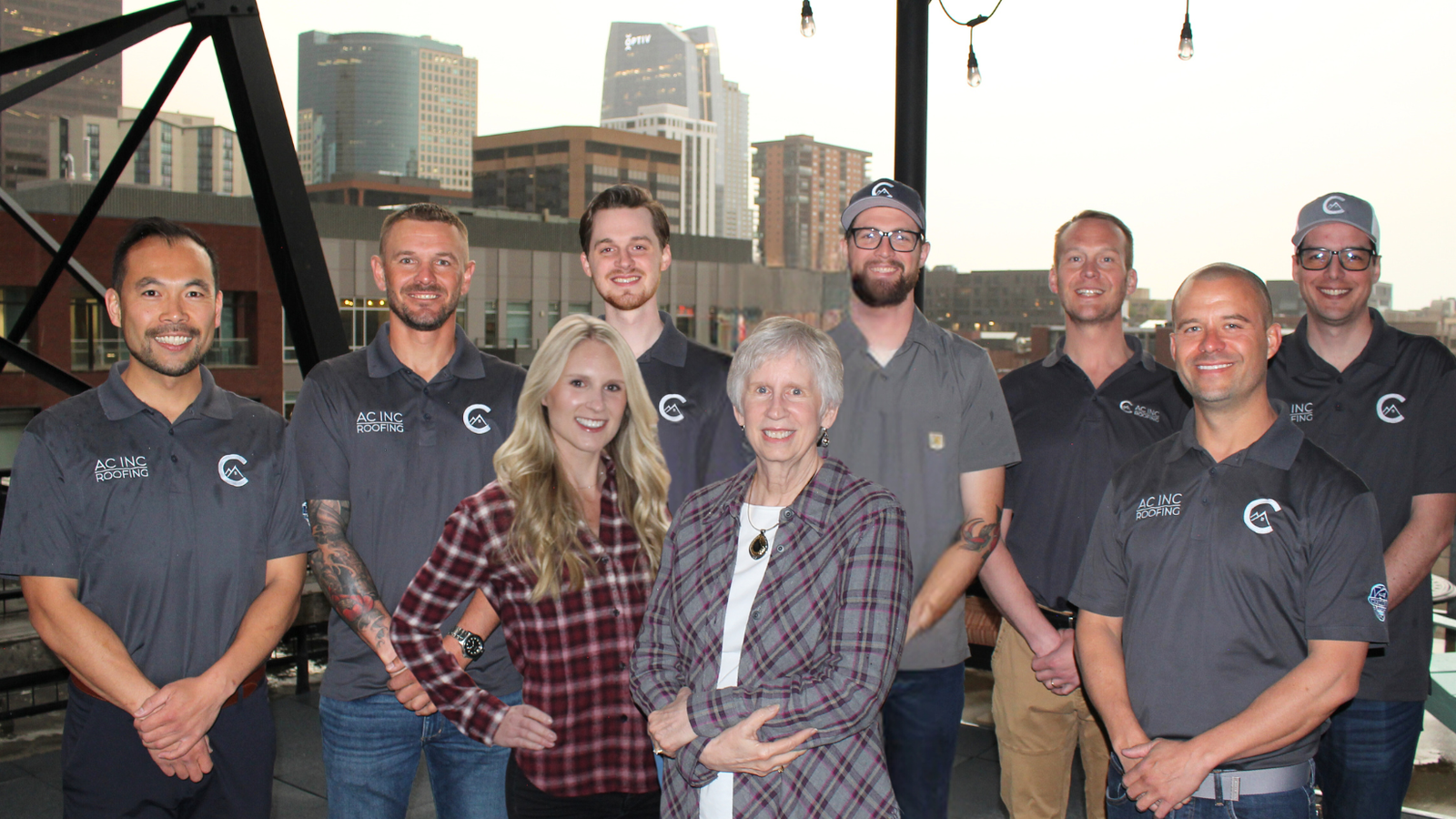
If you need a storm inspection in Colorado or Wyoming, AC INC. Roofing can help you understand what happened to your roof, what documentation you need, and whether repair or replacement makes sense. Contact us for a free inspection or estimate through our contact page.