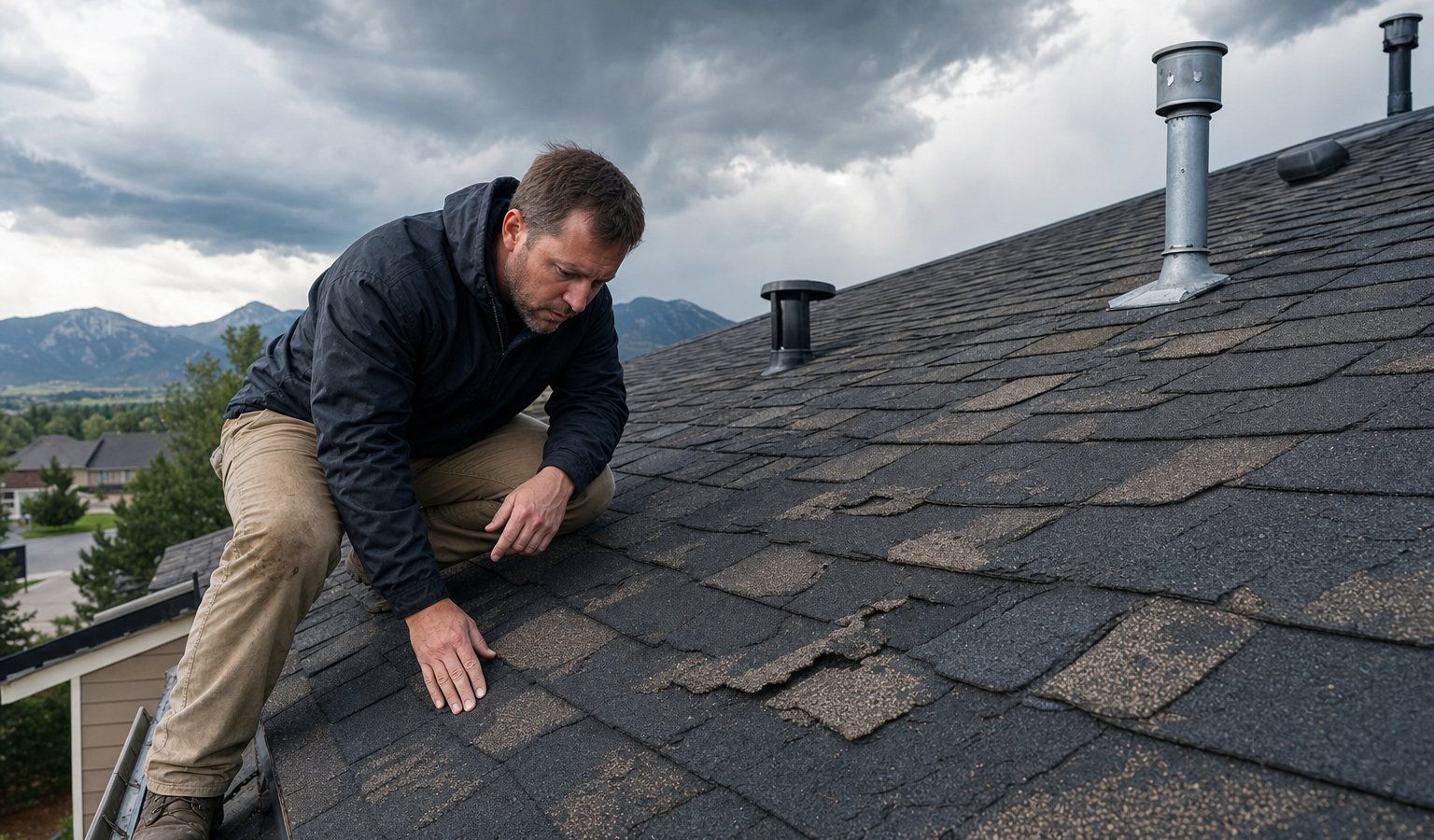
If you are hearing about a CertainTeed shingle lawsuit in Colorado, the main thing to know is this: not every roof with CertainTeed shingles is defective, but some homeowners may be dealing with premature cracking, granule loss, blistering, or other failures that can look similar to hail damage or normal aging. In Colorado, where roofs take repeated punishment from hail, wind, UV exposure, and freeze-thaw cycles, it is important to identify whether a roof problem points to storm damage, product failure, installation issues, or a mix of all three before you make an insurance claim or plan a roof replacement.
Why Colorado homeowners are paying attention in 2026
Colorado homeowners have good reason to watch roofing product litigation closely. Along the Front Range and across Hail Alley, roofs often age faster than people expect. That makes it easy to miss the difference between a roof that wore out naturally and one that may have failed earlier than it should have.
When homeowners search for information about CertainTeed shingles and lawsuits, they are usually trying to answer one of these questions:
Is my roof failing because of hail or because the shingles are defective?
Does a manufacturer issue affect my insurance claim?
Should I repair a few slopes or plan for a full roof replacement?
What documentation do I need before I contact my carrier, installer, or an attorney?
Those are practical questions, and they need roof-specific answers. A lawsuit headline does not tell you whether your roof qualifies for a claim, whether the product on your home is part of a known issue, or whether the visible damage is actually from a Colorado storm event.
What the lawsuits are generally about
Shingle lawsuits usually focus on allegations such as:
Premature cracking or splitting
Excessive granule loss
Curling, blistering, or surface deterioration
Reduced expected service life
Manufacturing defects tied to a product line or date range
That does not automatically mean every CertainTeed roof is affected. The exact issue often depends on the shingle type, when it was manufactured, how it was installed, local weather exposure, ventilation, and whether the roof has already suffered hail or wind damage.
For homeowners, the takeaway is simple: a roof can have more than one problem at the same time. We often see roofs in Colorado where a product concern is mixed with storm impact, aging, foot traffic damage, or improper prior repairs.
Why this is harder to sort out in Colorado
Colorado is one of the toughest environments in the country for asphalt shingles. Even a good roof can show wear earlier here than in milder climates.
Common local stressors
Large hail and repeated storm cycles
Strong chinook and downslope winds
Intense sun and UV exposure at elevation
Snow load followed by rapid melting and refreezing
Big day-to-night temperature swings
Because of that, the same symptom can have multiple causes. For example:
Granule loss can come from age, manufacturing problems, or hail impact.
Cracking may relate to product failure, weathering, or mechanical damage.
Lifted or torn tabs may result from wind, brittle shingles, or poor sealing.
This is exactly why a detailed inspection matters before anyone labels the problem.
Signs your CertainTeed shingle roof may need attention
If your home has CertainTeed shingles and you are concerned about reports of lawsuits or defects, look for signs like these:
Bald spots or uneven granule loss
Exposed asphalt matting
Cracks running through tabs
Blistering or pitting unrelated to recent hail
Curled or distorted shingle edges
Repeated leaks without a clear flashing issue
Large amounts of granules collecting in gutters or downspouts
Damage concentrated on slopes with the most sun or weather exposure
Not all of these signs mean a manufacturer defect. They do mean the roof should be inspected and documented.
Defect, storm damage, or installation issue?
This is the key question for most homeowners.
Storm damage
Storm-related roof damage often includes:
Hail bruising or impact marks
Broken or displaced granules in a directional pattern
Creased or lifted shingles after wind
Damage to soft metals, gutters, vents, or siding at the same time
If your roof was hit in a recent event, visit our hail damage service page to understand what gets documented during an inspection.
Product-related failure
Potential product issues often show up as:
Similar cracking patterns across many shingles
Surface deterioration that appears early for the roof age
Broad, uniform wear not tied to one clear storm event
Failure patterns that do not match nearby collateral damage
Installation-related problems
Installation issues may include:
Improper nailing
Poor attic ventilation
Incorrect underlayment or flashing details
Misapplied starter or ridge components
Slopes repaired with mismatched materials
A homeowner usually cannot separate these categories from the ground, and frankly, many roofers should not guess from the ground either. A close inspection is the right place to start.
What to do before filing any claim
Whether you are thinking about an insurance claim, a warranty inquiry, or legal action, your documentation matters.
Start with a professional inspection
A roof inspection should establish:
Approximate roof age and condition
Shingle type, if identifiable
Whether the damage appears sudden or progressive
Whether collateral storm damage is present
Whether repair is realistic or replacement is more appropriate
At AC INC. Roofing, our HAAG Certified Master Inspectors document roof conditions the way carriers expect, which can be especially helpful when hail damage and possible product failure overlap.
Gather your records
Try to pull together:
Your closing paperwork or prior roof invoices
Installation date, if known
Any warranty documents you still have
Photos from prior storms or prior repairs
Insurance claim history for the property
Do not rely on assumptions
A common mistake is assuming that news of a lawsuit means the manufacturer will pay for a new roof, or assuming that insurance will cover obvious wear if the roof is simply old or defective. In many cases, coverage depends on the actual cause of loss and the evidence supporting it.
How lawsuits and insurance claims can overlap
Manufacturer disputes and insurance claims are related, but they are not the same thing.
Insurance generally looks at sudden direct physical loss, such as hail or wind.
Manufacturer or legal claims usually center on alleged product defects or premature failure.
Contractor documentation helps establish what is present on the roof today.
For example, if your shingles show signs of premature deterioration but also took hail hits last season, your insurer may focus on storm-created damage while any product issue may need to be pursued separately. That is one reason homeowners should avoid rushing into a conclusion based on one article, one adjuster visit, or one sales pitch.
When repair may be enough and when replacement is more likely
Some roofs can be repaired if the issue is isolated and matching materials are still available. But replacement becomes more likely when:
Damage is spread across multiple slopes
Shingles are brittle or crack during handling
Color and profile matching is poor or impossible
The roof has mixed causes of failure and repeated leaks
The remaining service life is too limited to justify patchwork repairs
If you are weighing options, our roof repair pricing page and general pricing page can help you understand the scope factors that affect cost.
Homeowners with detached garages, multifamily properties, churches, retail buildings, or office roofs may also need a broader plan. We handle both residential roofing and commercial roofing, including storm-related documentation.
Questions Colorado homeowners should ask during an inspection
When you schedule an inspection, ask:
What specific damage patterns do you see?
Does the roof show hail damage, manufacturing-type wear, installation problems, or a combination?
Are the soft metals and other exterior components showing the same storm evidence?
Is the roof repairable, or is replacement the more realistic path?
What should I document before contacting insurance or anyone else?
Are there immediate leak or safety concerns that need short-term repair?
A good inspection should leave you with a clearer roadmap, not more confusion.
Red flags to avoid
If you are worried about shingle lawsuit news, be cautious about anyone who:
Promises a free roof through a lawsuit or insurance claim
Diagnoses a manufacturing defect without close inspection
Pushes you to sign immediately after a storm
Ignores ventilation, flashing, or installation details
Offers legal conclusions instead of sticking to roof condition facts
Your best protection is a fact-based inspection with clear photos, notes, and a practical recommendation.
What matters most in 2026
For Colorado homeowners, the real issue is not the headline itself. It is whether your roof is showing early failure, storm damage, or both, and whether you are documenting that condition correctly before moisture intrusion gets worse.
If your CertainTeed shingle roof is leaking, shedding granules, cracking, or showing unusual wear, do not wait for the next hailstorm to make the decision for you. A timely inspection can help you understand what happened, what your options are, and what evidence you need for the next step.
Next step
If you live along Colorado’s Front Range or in nearby Wyoming communities such as Cheyenne, Laramie, or Pine Bluffs, AC INC. Roofing can help you sort out whether your roof issues look like hail damage, product-related failure, installation defects, or normal aging. Contact us for a free inspection or estimate through our contact page.