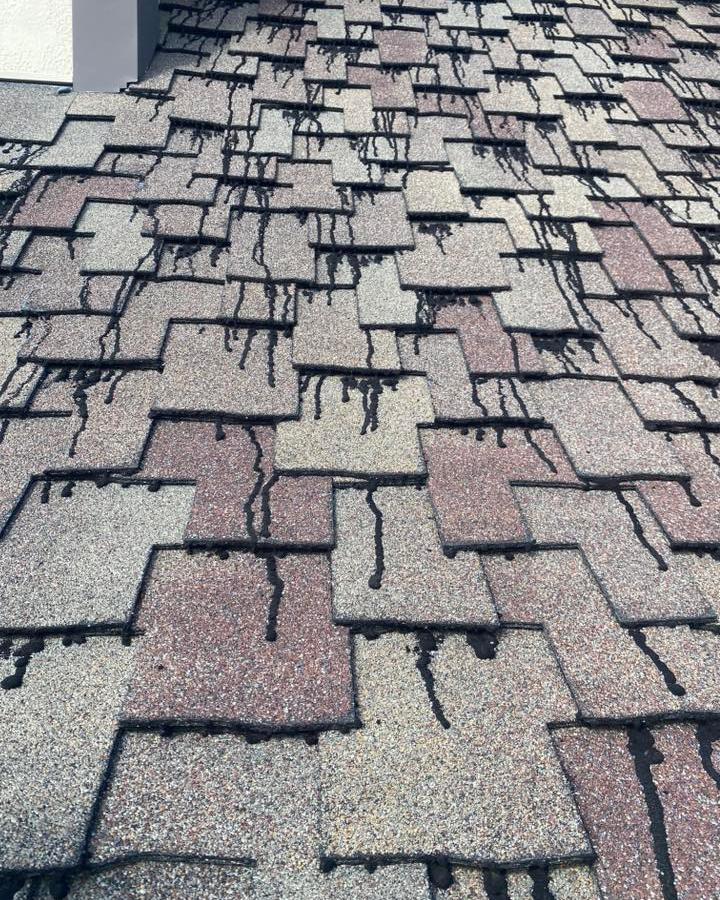
If you have CertainTeed Horizon or CertainTeed Independence shingles on your roof, it is worth knowing the common warning signs tied to these products. Homeowners across Colorado and Wyoming often call after noticing curling tabs, cracking, granule loss, or leaks, and they are not always sure whether they are dealing with age, storm damage, or a product-specific issue. The right inspection matters because visible shingle problems can affect repair options, insurance documentation, and the timing of a roof replacement.
What are CertainTeed Horizon and Independence shingles?
CertainTeed Horizon and Independence were laminated asphalt shingle products installed on many homes in past years. Like many roofing products from that era, they can perform differently depending on installation quality, roof ventilation, weather exposure, and how much hail, wind, and freeze-thaw cycling the roof has taken over time.
In Colorado's Front Range and in Wyoming communities like Cheyenne, roofs deal with a tough mix of:
Intense UV exposure
Frequent hail events
High wind
Rapid temperature swings
Snow load and ice buildup in winter
Those conditions can speed up wear on any asphalt roof, but they can also make existing weaknesses easier to spot.
Common problems with CertainTeed Horizon and Independence shingles
Not every roof with these shingles is failing in the same way, but there are several issues inspectors commonly look for.
Cracking and splitting
One of the biggest red flags is cracking across the face of the shingle or splitting that shows the mat beneath the surface. Cracks can start small and spread with weather movement, especially when shingles expand and contract through hot days and cold nights.
Why it matters:
Cracks can allow water intrusion
The shingle becomes more vulnerable to wind uplift
Repairs may only solve isolated areas if the surrounding field is also brittle
Insurance adjusters and contractors need to distinguish between storm-created damage and long-term product deterioration
Curling or lifting tabs
Shingles that curl at the edges or lift away from the roof plane are another common warning sign. Sometimes this is tied to age and heat exposure. Other times, it is made worse by poor attic ventilation or repeated wind stress.
Watch for:
Edges that no longer lie flat
Tabs that appear distorted or wavy
Areas where seal strips no longer hold consistently
Sections that rattle or flap in strong wind
Once shingles lose their seal or shape, they become easier to damage during the next wind or hail storm.
Granule loss
Granules protect asphalt shingles from sunlight and weathering. Some granule shedding is normal as a roof ages, but heavy or uneven granule loss can be a sign of advanced wear.
You may notice:
Bare or darker spots on shingle faces
Granules collecting in gutters and downspouts
Patchy areas that stand out from surrounding slopes
A rough mix of worn spots and fresh storm impact marks
Granule loss is important because it can overlap with hail damage claims. A trained inspection helps separate normal aging from functional storm damage. If your roof may have been hit recently, our hail damage inspection service can help document what is actually going on.
Blistering or surface deterioration
Some roofs show blister-like raised spots, pitting, or a generally weathered surface that seems to be breaking down faster than expected. These conditions may point to heat-related aging, ventilation issues, or material wear.
Surface deterioration can reduce the roof's ability to shed water cleanly and can shorten the useful life of the system.
Missing shingles after wind events
As shingles age and become brittle, a moderate windstorm can start pulling tabs loose or tearing shingles away entirely. On older laminated shingles, once one area opens up, nearby shingles may be more likely to fail too.
This is especially common along:
Ridges and hips
Eaves and rakes
South- and west-facing slopes
Areas previously repaired
Warning signs homeowners should not ignore
Most homeowners do not get on the roof, and that is a good thing. But there are several visible clues from the ground or inside the house that can tell you it is time for a professional inspection.
Exterior warning signs
Look for:
Uneven roof lines or shingle surfaces that look lumpy
Dark streaks mixed with obvious worn patches
Tabs that appear curled, cracked, or lifted
Pieces of shingles in the yard after wind
Heavy granule accumulation near downspout exits
Flashing areas that look exposed because surrounding shingles have shrunk or deteriorated
Interior warning signs
Inside the home, pay attention to:
Water stains on ceilings or upper walls
Damp attic insulation
Daylight visible in attic areas where it should not be
Musty odors after storms
Small leaks that appear only during wind-driven rain or melting snow
A roof can have significant shingle deterioration before a major leak shows up. Catching problems early can keep roof decking, insulation, drywall, and trim from becoming the next repair issue.
Are these issues always a full roof replacement?
Not always, but often the answer depends on how widespread the problem is.
If damage is limited to a small section and the surrounding shingles are still flexible and serviceable, a repair may make sense. If the shingles across multiple slopes are brittle, cracked, lifting, or losing granules heavily, a spot repair may only delay the bigger decision.
A good inspection should answer:
Is the issue isolated or roof-wide?
Is there active storm damage on top of existing wear?
Are replacement shingles available and close enough to match?
Will repairing one area disturb adjacent brittle shingles?
Is the roof still a good candidate for maintenance, or is replacement more practical?
If you want to compare options, you can review our general roof pricing information and roof repair pricing page for a better sense of what usually affects cost.
How hail and wind complicate the diagnosis
In our service area, hail damage and wind damage often show up on roofs that already have age-related deterioration. That is where homeowners can get mixed messages.
One contractor may say the roof is simply old. Another may say it is all storm damage. In reality, both conditions can exist at the same time.
That is why documentation matters. A HAAG-style inspection looks at:
Pattern and distribution of damage
Slope direction and exposure
Creasing, bruising, and fracture points
Granule displacement versus normal wear
Soft metal collateral indicators
Condition of vents, flashing, gutters, and other roof components
For homeowners filing an insurance claim, the difference between cosmetic wear and functional storm damage matters a lot. Clear photo documentation and a consistent inspection method help avoid confusion.
What to do if you suspect Horizon or Independence shingle failure
If you think your roof may have CertainTeed Horizon or Independence shingles and you are seeing warning signs, take a simple, safe approach.
Step 1: Document what you can see from the ground
Use your phone to capture:
Overall roof slopes
Areas with obvious curling or missing tabs
Downspouts or gutters with heavy granule buildup
Ceiling stains or attic signs if leaks are present
Do not climb onto the roof unless you are trained and equipped to do so safely.
Step 2: Check the timing of recent storms
Make a note of recent hail, wind, or heavy snow events. This helps separate sudden changes from long-term deterioration.
Step 3: Schedule a professional inspection
A qualified roofer should inspect:
Shingle condition across all slopes
Flashing and penetrations
Ventilation-related concerns
Gutters, siding, and soft metals for storm indicators
Whether repair is realistic or replacement is the smarter move
We provide both residential roofing services and commercial roofing services for storm-related and age-related roofing issues.
Step 4: Review your options clearly
After inspection, you should get a plain-language explanation of:
What failed
Why it matters
Whether the roof is repairable
Whether an insurance claim may be worth pursuing
What the next step should be and on what timeline
Why local experience matters in Colorado and Wyoming
Roofs in Hail Alley and southeastern Wyoming do not age the same way roofs do in milder climates. A shingle that might last acceptably elsewhere can show stress sooner here because of hail exposure, high elevation sun, wind, and freeze-thaw movement.
That local context matters when evaluating CertainTeed Horizon and Independence roofs. You want an inspector who understands both product-related warning signs and the storm patterns common in Cheyenne, Laramie, Pine Bluffs, and Colorado's Front Range.
Next step
If your roof has CertainTeed Horizon or Independence shingles and you are seeing cracking, curling, granule loss, or leaks, schedule a professional inspection before the next storm season makes the damage worse. AC INC. Roofing offers free inspections and estimates, and we can help you understand whether you need a repair, a full roof replacement, or documentation for a storm-related insurance claim. Contact us through our contact page to get started.