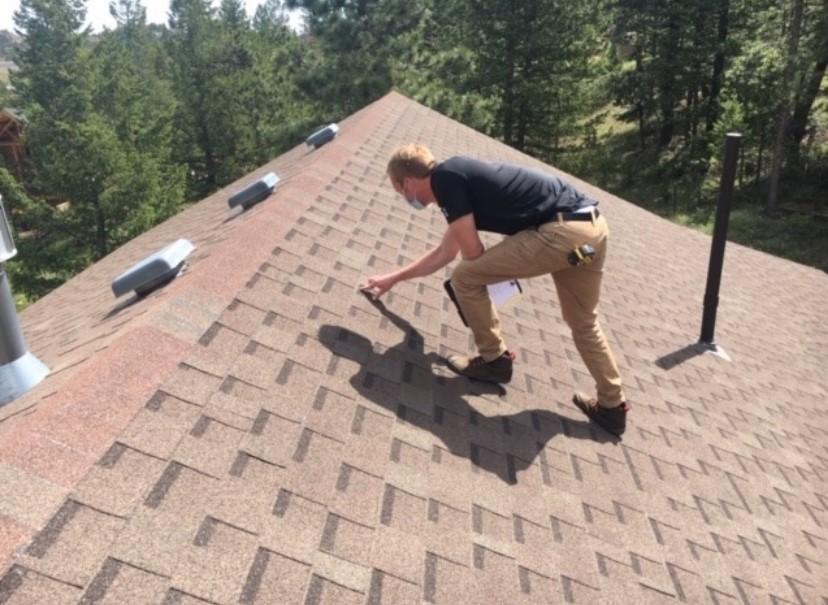
If you are dealing with Castle Rock hail damage or storm impact in Highlands Ranch, the biggest question is usually simple: should you repair the roof or replace it? The right answer depends on how much damage the hail caused, what roofing material you have, whether the system is still watertight, and what an insurance carrier will recognize during the claim process. In Colorado’s Front Range, where repeated hailstorms are common, a professional inspection is the fastest way to separate cosmetic marks from functional roof damage that can shorten the life of your home.
Why this decision matters after a hailstorm
A roof that looks “mostly fine” from the ground can still have damaged shingles, loosened granules, bruised underlayment, or compromised flashing. If the damage is minor and isolated, a targeted repair may be enough. If the storm created widespread functional damage, a partial fix can leave you with recurring leaks, uneven aging, and a tougher insurance claim later.
For homeowners in Castle Rock and Highlands Ranch, this matters for three reasons:
- Water intrusion risk: Small hail impacts can turn into leaks around vents, valleys, skylights, and flashing.
- Insurance timing: Storm claims usually depend on prompt documentation and clear evidence.
- Long-term cost: A low-cost repair today can become a more expensive roof replacement if hidden damage is missed.
When roof repair may be the right choice
Not every hail event means you need a full roof replacement. Repairs are often appropriate when the damage is limited, the roof still has solid remaining life, and matching materials are available.
Signs repair may be enough
A repair is often a reasonable option when:
- Damage is confined to a small section or one roof slope
- Shingles have a few isolated bruises or tears rather than widespread impact marks
- Flashing, vents, or ridge cap took the main hit, but the field shingles remain serviceable
- The roof is relatively newer and in otherwise good condition
- There are no active leaks, decking issues, or signs of moisture intrusion in the attic
- Replacement shingles can be matched closely enough to maintain performance and appearance
In these situations, a focused repair can restore watertightness without replacing the full system. This is common after smaller storms or when hail hits one elevation harder than the rest of the roof.
If you are trying to compare options, our roof repair pricing page can help you understand what usually affects repair scope.
When roof replacement is the better call
In many Front Range hail claims, replacement is the better long-term solution because the damage is spread across the roof system, not concentrated in one easy-to-fix area.
Signs replacement is likely needed
A full or major roof replacement is often recommended when:
- Hail damage appears across multiple slopes
- Shingles show widespread bruising, cracking, punctures, or granule loss
- The roof is older and already showing wear before the storm
- There are repeated leaks or moisture issues inside the home
- Flashing, vents, pipe boots, gutters, and other components are also storm-damaged
- Matching shingles are discontinued or unavailable
- A repair would leave the roof with inconsistent performance and shortened service life
Colorado hail often affects more than just shingles. Metal vents can dent, soft metals can crease, ridge components can loosen, and gutters may show impact patterns that help confirm storm direction and severity. When those signs line up with broad shingle damage, replacement usually provides the cleaner and more reliable outcome.
For homeowners considering a larger project, our roof pricing page can help frame the factors that influence replacement scope.
The difference between cosmetic and functional hail damage
This is one of the most important parts of any hail inspection.
Cosmetic damage
Cosmetic damage affects appearance but does not clearly reduce the roof’s ability to shed water. Examples may include:
- Minor surface marks on metal components
- Light granule displacement without shingle mat damage
- Small dents that do not open seams or weaken the system
Cosmetic damage can still matter for resale value and curb appeal, but it may not justify full replacement by itself.
Functional damage
Functional damage affects roof performance or expected service life. Examples include:
- Hail bruises that fracture the shingle mat
- Cracks, tears, or punctures in shingles
- Damaged flashing that can allow water entry
- Compromised seals around penetrations
- Impact damage that exposes the asphalt layer or substrate
Insurance carriers often focus on functional damage, not just visible marks. That is why thorough documentation matters. As HAAG Certified Master Inspectors, we inspect roofs with an eye toward the evidence carriers typically expect to see in a hail damage claim.
Learn more about what we look for on our hail damage service page.
Factors unique to Castle Rock and Highlands Ranch roofs
Castle Rock and Highlands Ranch homes often face a mix of weather stressors, not just one storm. Hail is the main event, but wind, UV exposure, freeze-thaw cycles, and previous repairs all affect whether a roof should be repaired or replaced.
Roof age and prior wear
An older roof with brittle shingles may not respond well to repairs. Even if the hail damage is moderate, replacing the system can be more practical than patching aging materials.
Slope orientation
One slope may take the brunt of the storm while another remains relatively intact. This can support a repair or partial replacement in some cases, but only if the remaining roof is truly sound.
Material type
Asphalt shingles, metal roofing, tile, and low-slope commercial systems all react differently to hail. A proper decision depends on the material, the impact pattern, and whether the damage changed the roof’s water-shedding ability.
For both homes and commercial properties, we provide inspections and scope guidance through our residential roofing services and commercial roofing services.
What an insurance claim may mean for repair vs. replacement
Insurance is often part of the decision, but it should not be the only factor. The real question is whether the roof can still perform as intended after the storm.
That said, claims do influence scope.
A carrier may lean toward repair when:
- Damage is limited to a test area or one slope
- The roof is otherwise in serviceable condition
- Materials can be matched
- Functional damage is present, but not widespread
A carrier may approve replacement when:
- Functional damage is documented across enough of the roof
- Matching is not feasible
- Multiple components are storm-damaged
- The roof has lost reliable serviceability after the hail event
The key is good documentation. That usually includes photo evidence, marked test squares, notes on collateral damage, and a clear explanation of why repair is or is not a durable option. Homeowners often feel stuck because they know the roof was hit, but they do not know how to present that damage in a way the carrier recognizes. That is where an experienced inspection helps.
A practical way to decide: repair or replace?
If you are unsure which direction makes sense, use this checklist as a starting point.
Repair may make sense if:
- The damage is isolated
- The roof is newer
- There are no leaks or attic moisture signs
- Materials are still available for matching
- The repaired area will not leave the rest of the system at risk
Replacement may make sense if:
- Damage is widespread
- The roof already had significant aging or wear
- Multiple roof components were hit
- Leaks are already showing up
- A repair would only delay a larger failure
- Insurance documentation supports system-wide functional damage
One caution: do not rely only on what you can see from the driveway. Hail damage often hides in subtle bruising, lifted seals, or soft metal impacts around vents and flashing.
What to do after a hailstorm in Castle Rock or Highlands Ranch
If your neighborhood was hit, take a measured approach.
- Look for interior warning signs such as ceiling stains, attic moisture, or new drafts.
- Check the exterior from the ground for gutter dents, downspout marks, or shingle debris.
- Document the date of loss and take photos of anything obvious.
- Schedule a professional inspection before deciding on a repair or filing a claim.
- Review the inspection findings to compare repair viability versus replacement need.
- Move quickly if functional damage is confirmed so minor openings do not become leak events.
Avoid making the decision based only on age, neighborhood activity, or what a storm chaser tells you at the door. The better approach is to inspect the actual roof system and build the scope from evidence.
Next step
If you are not sure whether your roof needs a repair or full replacement after hail, AC INC. Roofing can inspect the damage and explain the options in plain terms. We serve Castle Rock, Highlands Ranch, Cheyenne, and the broader Front Range with detailed storm assessments and claim-ready documentation. Contact us for a free inspection or estimate through our contact page.