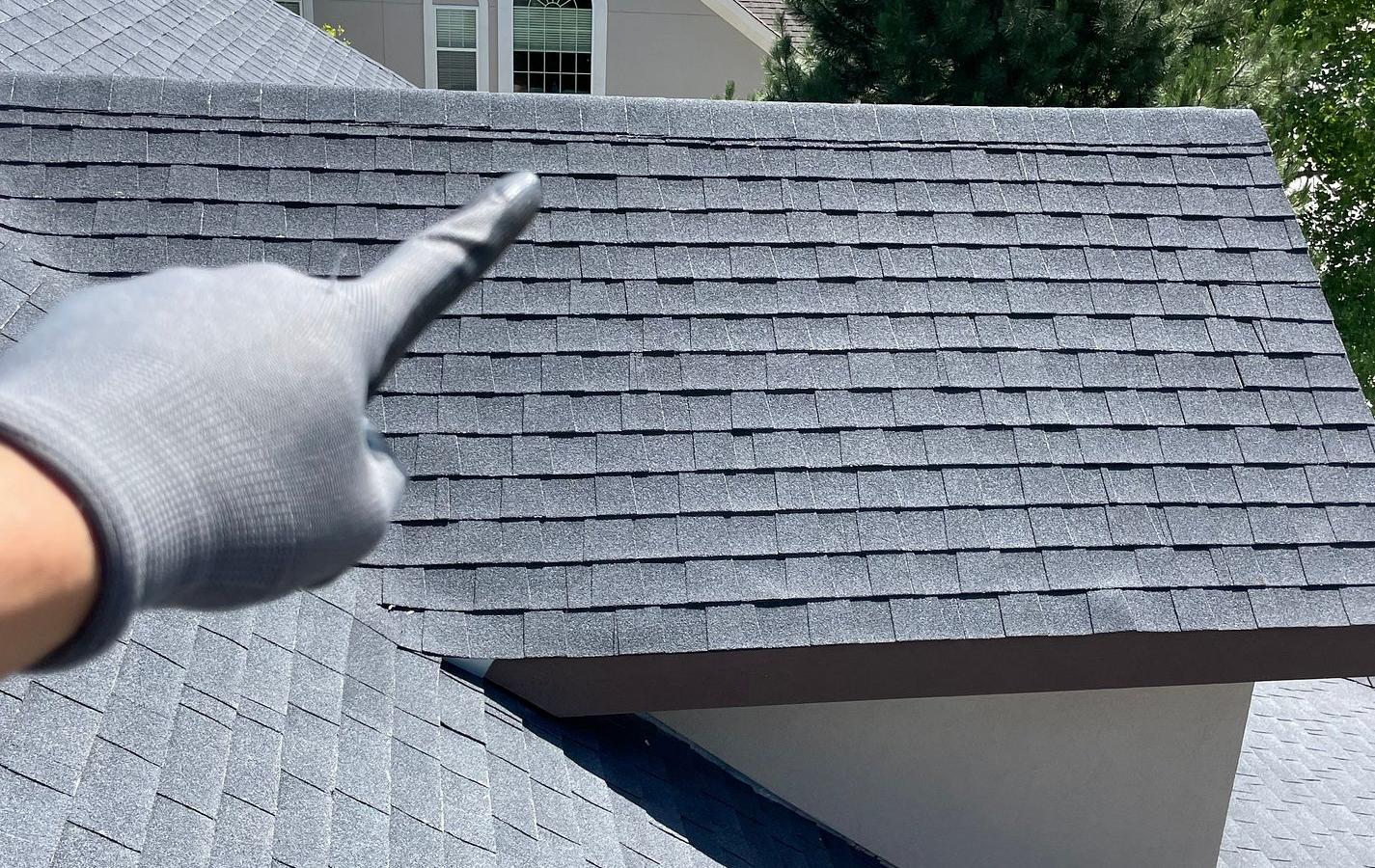
Hiring a roofing contractor on Thumbtack can be a smart way to compare options quickly, but the quality of roofers can vary widely. Before you agree to a repair, inspection, or full roof replacement, ask a few direct questions that reveal how the contractor handles licensing, storm damage, insurance claims, scope of work, and communication. A good roofer should welcome these questions and answer them clearly.
Why these questions matter
Most homeowners and property managers only hire a roofer when something has already gone wrong: hail damage, a leak, missing shingles, aging materials, or a sudden insurance claim. In Colorado and Wyoming, that often means time pressure after a storm. Platforms like Thumbtack make it easy to collect bids, but convenience should not replace due diligence.
The goal is simple: find out whether the contractor is qualified, whether the estimate is complete, and whether the company knows how to document damage correctly if insurance is involved. That matters whether you need a minor repair, a full replacement, or a storm inspection for a home or commercial building.
1. Are you licensed and insured for roofing work here?
This is the first question because it protects you before anything else starts.
Ask for:
The contractor's full business name
Proof of liability insurance
Proof of workers' compensation coverage, if applicable
Confirmation they can perform roofing work in your city, county, or service area
A reputable roofer should be able to provide documentation without hesitation. If a contractor becomes vague, says coverage is "in process," or wants to start before paperwork is available, that is a red flag.
This also helps you confirm that the company you found on Thumbtack is the same legal business that will actually perform the work.
2. Who will inspect the roof, and what will they look for?
Not every inspection is equal. Some companies send a salesperson who only takes a quick look from the ground. Others perform a full roof inspection with documentation of wind, hail, flashing, ventilation, underlayment, and other problem areas.
Ask whether the inspection includes:
Exterior roof condition
Soft metal and accessory damage
Shingles or membrane condition
Flashings, valleys, vents, and penetrations
Gutters, downspouts, and siding when relevant
Interior signs of leaks or moisture, if needed
Photo documentation
If storm damage may be involved, this question becomes even more important. A contractor with experience in hail-damage inspections should be able to explain how they document damage in a way that supports an insurance claim.
3. Do you specialize in repairs, replacements, or both?
Some roofers are set up mainly for full replacements. Others are better at targeted repairs. You want to know whether the contractor's recommendation fits your roof's condition or just their business model.
A useful follow-up question is:
"If this were your property, would you repair it or replace it, and why?"
A trustworthy answer should explain:
The age and condition of the roof
Whether the damage is isolated or widespread
Whether matching materials are available
Whether a repair is likely to hold up
Whether replacement is more practical after repeated storm damage
If you are comparing options, it also helps to review the difference between larger project budgets and smaller repair scopes. For that, a homeowner can look at roofing pricing or repair pricing information to better understand what affects cost.
4. What exactly is included in your estimate?
A low bid is not always a complete bid. Ask the contractor to walk you through the scope of work line by line.
You want to know whether the estimate includes:
Tear-off and disposal
Underlayment
Ice and water protection where needed
Flashing replacement
Vent components
Drip edge
Starter and ridge materials
Decking replacement if damaged
Permit-related items if required
Site cleanup and magnetic nail sweep
Warranty terms on workmanship and materials
If the contractor gives you only a one-number estimate with almost no detail, it becomes hard to compare bids fairly. Clear scope matters on both residential roofing projects and commercial roofing work.
5. How do you handle insurance claims if storm damage is found?
This is one of the biggest questions in hail-prone areas like Colorado's Front Range and southeastern Wyoming. If your roof may have hail damage, the contractor should understand the inspection and documentation side of the process.
Ask:
Will you provide photo documentation?
Can you identify functional versus cosmetic damage?
Will you meet with the adjuster if needed?
Do you help explain the scope of repairs based on the carrier's estimate?
How do you handle supplements if hidden damage is found?
Be careful with contractors who promise claim approval, waive deductibles, or speak as if the insurance outcome is guaranteed. A professional roofer should focus on accurate documentation, not shortcuts or promises they cannot control.
6. Who will actually do the work?
On an app or referral platform, the person messaging you may not be the person running the project. Clarify who is responsible from start to finish.
Ask:
Will your company crew perform the work?
Do you use subcontractors?
Who is the jobsite supervisor?
Who is my point of contact if I have a problem?
How will you communicate schedule changes or weather delays?
This question matters because roofing projects often move quickly once materials arrive. You should know who is accountable for workmanship, safety, and cleanup.
7. What materials do you recommend for this roof, and why?
A good contractor should be able to explain material choices in practical terms, not just brand names.
Depending on the property, ask about:
Impact-resistant shingles in hail-prone areas
Ventilation needs
Underlayment options
Flashing durability
Slope-specific material recommendations
Low-slope or flat-roof systems for commercial properties
Gutter and siding considerations if storm damage extends beyond the roof
The best answer should connect the recommendation to your building, your local weather, and the expected service life of the roof system.
8. What is your timeline, and what could delay the project?
Many roofing complaints start with unclear expectations. Before you sign anything, ask what happens next and what the realistic schedule looks like.
Important points to cover:
How soon can inspection or work start?
How long should the project take once underway?
What happens if bad weather interrupts the job?
Are materials currently available?
What happens if damaged decking is found during tear-off?
Roofing in Colorado and Wyoming often depends on weather windows, storm volume, and material lead times. A solid contractor should set realistic expectations instead of overpromising.
9. Can you provide recent local references or reviews I can verify?
Thumbtack reviews can be useful, but they should not be your only checkpoint. Ask for a few recent local references or examples of similar work.
You do not need a long list. You just want enough information to verify that the contractor:
Shows up when scheduled
Communicates clearly
Finishes the scope as promised
Handles change orders reasonably
Resolves punch-list items
Leaves the property clean
If possible, look for reviews that mention the same type of project you need, such as hail-damage repair, leak repair, insurance claim support, or complete roof replacement.
10. What are the payment terms, and when is payment due?
Always ask this before work begins. Payment terms should be clear, written, and tied to real project milestones.
Questions to ask:
Is a deposit required?
When are progress payments due, if any?
When is final payment due?
How are change orders approved?
Will I receive a final invoice and proof the work is complete?
Be cautious if a contractor pressures you for full payment upfront or wants major payment before materials, scheduling, or documentation are in place.
A quick checklist when comparing Thumbtack roofers
If you are reviewing multiple contractors, compare them side by side on these points:
Licensed and insured documentation
Inspection depth and photos
Repair versus replacement recommendation
Detailed written scope
Insurance-claim knowledge
Clear project supervision
Material recommendations
Realistic timeline
Local references
Written payment terms
That simple comparison can help you avoid choosing based only on price or fastest availability.
Common red flags to watch for
Even if a contractor sounds confident online, slow down if you notice any of these warning signs:
Vague answers about insurance or licensing
No written scope of work
High-pressure sales tactics
Claiming they can "buy your deductible"
Refusal to provide photos or documentation
Large upfront payment demands
No clear local presence or service history
Pushing replacement without explaining why repair is not viable
A professional roofer should make the process easier to understand, not harder.
What a strong answer sounds like
You do not need the contractor to use fancy language. You just need direct, specific answers. Strong roofing companies usually do the following well:
Explain what they found and how they found it
Show photos of damage or problem areas
Put the scope in writing
Separate repair needs from optional upgrades
Document storm damage carefully
Communicate timelines and next steps clearly
That is especially important if this is your first time dealing with hail damage or an insurance claim.
Next step
If you are comparing roofers and want a clear second opinion, AC INC. Roofing offers free inspections and estimates for homes and commercial properties across Colorado and Wyoming. We can help you understand whether you need a repair, full replacement, or storm-damage documentation before you move forward. Contact us through our contact page to schedule an inspection.