
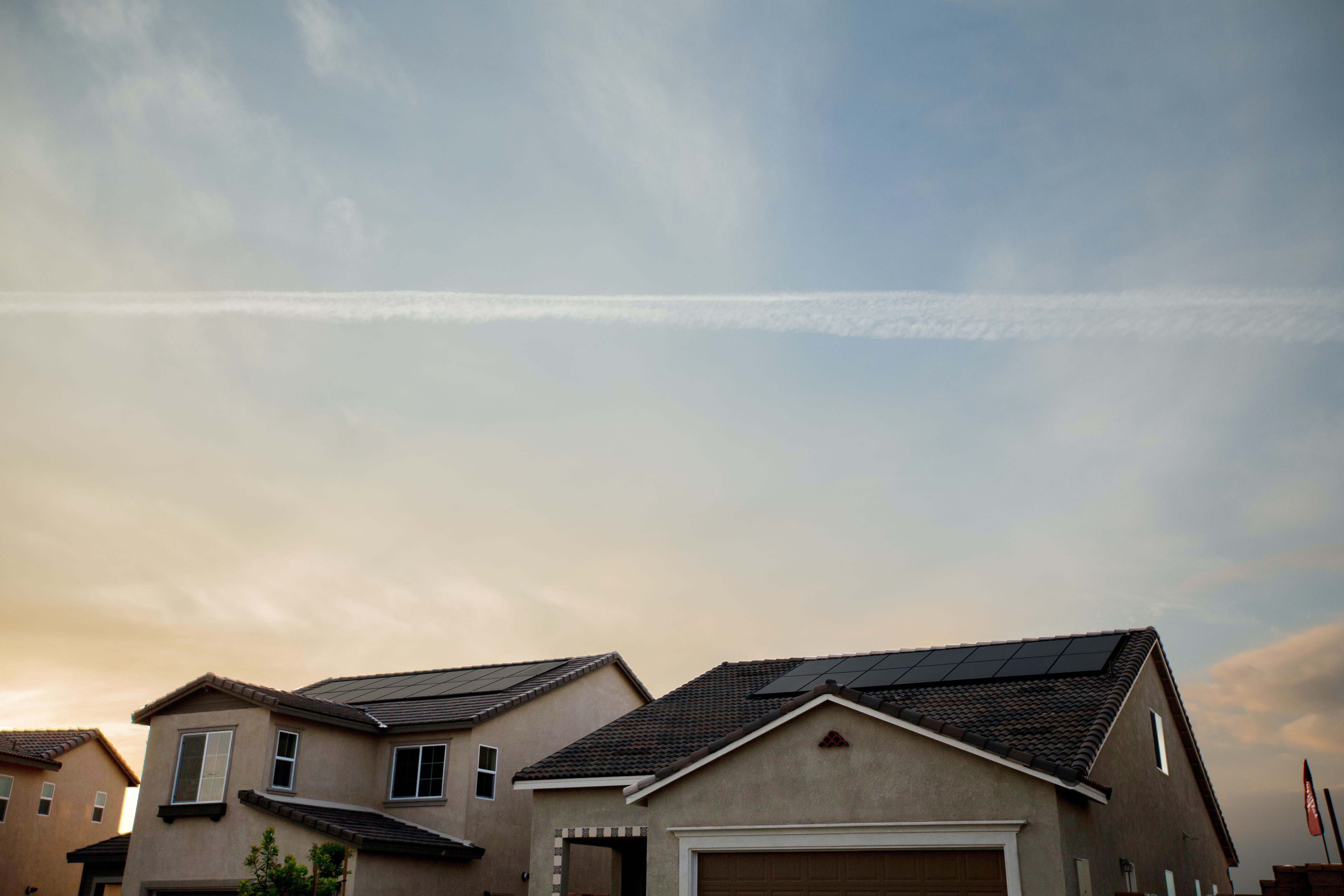
Colorado’s Front Range is ground zero for intense, fast-moving hailstorms. Even when your roof looks fine from the street, hail can quietly shorten its lifespan, void warranties, and set up leaks that appear months later. Here’s how hidden hail damage happens, how to spot clues from the ground, and when to bring in AC INC. Roofing’s HAAG-certified experts for a free inspection.
Why hail damage is often invisible
- Microfractures and bruising don’t always break the surface.
- Granules may loosen slowly, washing into gutters over weeks.
- Seal strips on shingles can be weakened, causing future wind uplift.
- On flat roofs, impact can crush insulation boards beneath intact membranes.
- High-altitude UV and rapid freeze–thaw cycles along the Front Range accelerate deterioration after a hail hit.
What hail does to different roof systems
Asphalt shingles (including impact-resistant)
- Granule loss exposes the asphalt to UV, accelerating brittleness.
- Bruising feels soft to the touch and can turn into cracks after freeze–thaw.
- Mat fractures compromise waterproofing, even if the shingle face looks normal.
- Damaged seal strips reduce wind resistance; shingles can lift in the next storm.
Tip: Even Class 4 (UL 2218) shingles are impact-resistant, not impact-proof. They reduce damage risk, but inspection after a storm is still essential.
Metal roofing
- Dents may be purely cosmetic, but coating damage can expose metal to corrosion.
- Distorted seams or fasteners can open pathways for water in wind-driven rain.
Tile roofing (concrete or clay)
- Hairline cracks or edge chipping allow water ingress and freeze–thaw widening.
- Broken tiles can shift loads to underlayment, hastening its failure.
Low-slope and commercial roofs (TPO, EPDM, Modified Bitumen, coatings)
- Impact can bruise membranes over fasteners or crush underlying ISO insulation.
- Hail can create micro-tears, pinholes, or surface fractures that leak later.
- Coating systems may crater; if left unaddressed, UV and ponding water enlarge defects.
Signs you can check safely from the ground
- Granules in gutters or at downspout outlets (looks like coarse sand)
- Dents on gutters, downspouts, metal fascia, mailbox, or garage door
- Spatter marks on soft metals (AC units, electrical boxes) where oxidation is scrubbed off
- Torn window screens, chipped paint on fencing, shredded plants or mulch
- Water stains on interior ceilings or around skylights days to weeks after a storm
Safety first: Avoid climbing onto the roof. Use binoculars from the ground. Our HAAG-certified inspectors perform hands-on testing and documentation safely.
When “cosmetic” becomes costly
Some hail marks look harmless. Here’s how they become real problems in Colorado’s climate:
– UV breakdown: Granule loss leads to accelerated UV damage at Denver’s elevation.
– Freeze–thaw cycling: Moisture in bruised areas expands, turning soft spots into cracks.
– Wind events: Compromised seal strips allow shingle uplift and wind-driven rain intrusion.
– Flat roof compression: Crushed insulation creates low spots, ponding water, and faster membrane aging.
Waiting can turn a straightforward repair or claim into a larger replacement—and policy timelines may limit how long you have to file. Review your policy and act promptly after significant hail.
How big does hail need to be to cause damage?
- ~1″ (quarter-size): Can bruise asphalt shingles and dent soft metals.
- 1.25–1.5″: More likely to fracture shingle mats; can damage many low-slope systems.
- 2″ and larger: Frequently compromises most roofing types, flashing, skylights, and vents.
Wind speed, roof age, slope, orientation, and previous sun exposure all affect outcomes.
The AC INC. Roofing advantage
AC INC. Roofing (Advanced Consulting, Inc.) is a licensed, insured, 5.0-star-rated contractor serving the Denver metro, the Front Range, and Cheyenne, WY from our office at 6145 Broadway, Suite 25, Denver, CO 80216. We combine advanced diagnostics with insurance claim support to protect your property and your budget.
- Master HAAG Certification: Colorado’s first company to reach Master level—expert hail and wind evaluation.
- Free inspections by HAAG-certified inspectors: Thorough, photo-documented assessments you can share with your insurer.
- Storm damage restoration and insurance advocacy: We coordinate with adjusters and provide detailed documentation.
- Premium materials: Impact-resistant asphalt shingles, metal and tile systems, TPO, EPDM, Modified Bitumen, and fluid-applied coatings.
- Atlas Pro+ Platinum Certified and GAF Certified: Access to strong system and manufacturer-backed warranty options (Atlas up to 50-year; GAF System Plus® available).
- Fortified Roofing Solutions certified: We can specify systems designed to withstand 130 mph winds, EF-2 tornado forces, and 2″ hail when appropriate for your property.
- Directorii-certified: Your project is backed by up to a $20,000 customer guarantee.
- Professional memberships: RSRA (invitation-only, <1% of roofers qualify), CRA, NRCA, APA.
Our hail response process
1) Free, no-obligation inspection
– HAAG-certified inspector evaluates roof, gutters, siding, and penetrations.
– We mark, test, and photograph impacts; check ventilation and flashing; assess interior where relevant.
2) Clear report and guidance
– You receive a written report with photos and an objective recommendation: monitor, repair, rejuvenate (for aging asphalt), or replacement.
– If a claim is appropriate, we help you understand policy deductibles, exclusions, and typical next steps.
3) Insurance coordination
– With your permission, we meet the adjuster on-site and provide technical documentation.
– We align scope with code requirements and manufacturer specs.
4) High-quality restoration
– We install premium systems from trusted manufacturers (including Atlas and GAF) and can harden your roof against future storms with impact-resistant options.
– For commercial roofs, we offer repair, replacement, and coating solutions tailored to your substrate and use case.
Strengthening your roof before the next storm
- Choose impact-resistant shingles (Class 4) or durable metal/tile where appropriate.
- Consider Fortified-certified assemblies for enhanced wind and hail performance.
- Keep gutters clear to reduce overflow during cloudbursts and hail melt.
- Maintain flashings and sealants; these are common leak points after hail.
- For aging asphalt roofs, ask about roof rejuvenation to restore shingle flexibility before storm season.
FAQs
What if my roof looks fine but my neighbors are replacing theirs?
– Roof age, slope, and material vary block by block. A free HAAG-certified inspection removes the guesswork.
Will an inspection force me into a claim?
– No. We provide objective findings. If damage is minor, we may recommend monitoring or simple repairs.
Are all dents considered damage by insurers?
– Not always. Functional damage that reduces roof life or waterproofing is typically the focus. Our documentation helps clarify the distinction.
Do you work with property managers and commercial owners?
– Yes. We service residential and commercial properties across the Denver metro, Front Range, and Cheyenne, WY.
After a hailstorm: a quick checklist
- Note the date and time; take photos of hail size with a coin for scale.
- Walk the property after it’s safe; look for the ground signs listed above.
- Check interior ceilings and attic for new stains or odors over the next week.
- Schedule a free HAAG-certified inspection with AC INC. Roofing.
- Review your insurance policy for claim timelines and deductibles.
Protect your roof, documentation, and peace of mind by acting early—before small issues become big ones.
Contact Us today to schedule your free inspection and hail evaluation.