
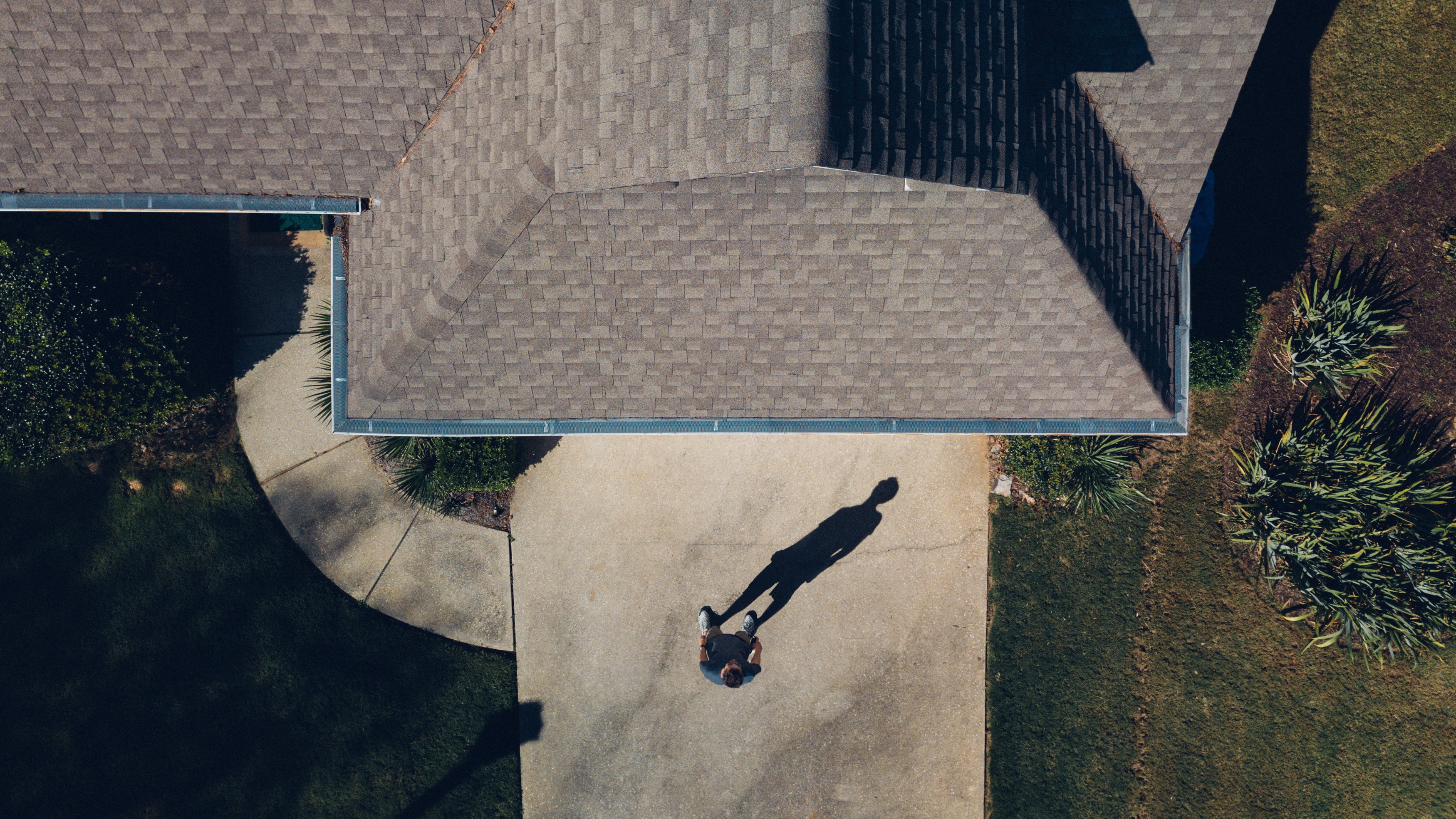
If you own a home or building along Colorado’s Front Range, you live in one of America’s most active hail corridors. It’s common to see golf‑ball (or larger) hail, high UV exposure at altitude, freeze–thaw cycles, and occasional heavy snow loads. In this climate, many owners ask a smart question: Are Class 4 impact‑resistant (IR) shingles worth the investment?
This guide explains how Class 4 shingles perform in Colorado, what they cost, how insurance may treat them, and how AC INC. Roofing helps you choose and install the right system.
What “Class 4” Really Means
- Tested to UL 2218, the industry’s impact standard. Class 4 is the highest rating.
- Test method: Steel balls (up to 2″) are dropped from set heights to simulate hail; the shingle must show no cracking or rupturing on the back side.
- Important: Impact‑resistant is not “hail‑proof.” Large or wind‑driven hail can still cause damage, and cosmetic scuffs may occur even if the shingle remains functional.
Why They Make Sense on the Front Range
Colorado’s hail and wind patterns make IR shingles particularly valuable:
- Frequent hail: Reduced likelihood of granule loss and shingle fractures compared with standard shingles.
- Wind and uplift: Many IR systems pair with enhanced fastening/underlayments that improve wind performance.
- UV and temperature swings: SBS‑modified asphalt options can remain more flexible in cold and less brittle over time.
- Snow and ice: Combined with proper ice/water barriers and ventilation, IR shingles help a roof system stand up to winter stress.
Benefits You Can Expect
- Better impact resistance versus conventional shingles.
- Potentially fewer repairs and extended service life when storms hit.
- Some insurers in Colorado offer policy discounts for verified Class 4 roofs. Always confirm details with your carrier.
- May help reduce claim frequency and avoid multiple deductibles over time.
Limitations to Keep in Mind
- Not a guarantee against hail damage or leaks.
- Cosmetic damage can still occur; some manufacturer hail warranties exclude cosmetic-only issues.
- If hail exceeds the test conditions (size/velocity) or is wind‑driven at extreme speeds, any roof can be compromised.
Cost: What to Budget and How to Think About ROI
- Upfront premium: Expect roughly 10–25% higher material costs than standard architectural shingles, plus any system upgrades (underlayment, vents, flashings).
- Payback pathways:
- Potential insurer discounts (varies by carrier and policy).
- Fewer storm repairs and extended intervals between replacements.
- Lower likelihood of claim‑related disruptions for your home or business.
- Simple rule of thumb: In high‑hail zones east of the foothills, many owners recover the premium within several years through a mix of avoided repairs and insurance benefits. Your actual payback depends on storm frequency, deductible, and policy terms.
Insurance Considerations in Colorado
- Ask your carrier about Class 4 credits and whether they require documentation (photos, invoices, or manufacturer letters).
- Confirm how your policy treats cosmetic vs. functional hail damage.
- Understand your deductible (wind/hail may be separate).
- Keep all roofing documentation; AC INC. Roofing provides thorough inspection reports and photos to support claims when needed.
When Class 4 Is Especially Worth It
- You’ve experienced repeated hail claims or repairs in the last 5–10 years.
- You’re in hail‑prone neighborhoods across the Denver metro, the I‑25 corridor, the eastern plains, or up to Cheyenne, WY.
- Your property has complex access or high interior disruption costs, making fewer repairs particularly valuable.
- You plan to own the property long enough to realize the payback.
Choosing the Right Impact‑Resistant System
All Class 4 shingles aren’t identical. Look beyond the rating to the total roof system:
- Shingle technology: Polymer‑modified (SBS) asphalt products often offer enhanced flexibility and impact performance.
- Underlayments and ice/water shield: Critical for Colorado freeze–thaw and ice dam zones.
- Ventilation and insulation: Reduce ice dams, heat cycling, and premature aging.
- Flashings, starter, ridge, and fasteners: A system approach improves wind and weather resilience.
- Manufacturer support: Access to robust product and system warranties through certified installers.
AC INC. Roofing installs premium materials including impact‑resistant asphalt shingles and Atlas shingle systems, along with metal, tile, TPO, EPDM, Modified Bitumen, and fluid‑applied coatings for the right application.
Why Work With AC INC. Roofing
- Master HAAG Certification: Colorado’s first roofing company to reach Master level—expertise in storm damage evaluation and documentation.
- Atlas Pro+ Platinum Certified contractor: Eligible for Atlas warranties up to 50 years when installed as a complete system.
- GAF Certified contractor: System Plus warranties available on qualifying systems.
- Directorii‑certified: Backed by a customer guarantee up to $20,000.
- Fortified Roofing Solutions certified: Knowledge of resilient construction practices designed to stand up to 130 mph winds, EF‑2 tornadoes, and 2″ hail.
- Professional memberships: RSRA (invitation‑only, fewer than 1% of roofers qualify), CRA, NRCA, APA.
- Local, licensed, and insured: Based at 6145 Broadway, Suite 25, Denver, CO 80216; serving the Denver metro, the Front Range, and Cheyenne, WY.
- Rated 5.0 stars on Google with excellent reviews.
Our Process for Impact‑Resistant Roofs
1) Free roof inspection by a HAAG‑certified inspector
– Identify hail, wind, or age‑related issues and evaluate your deck, ventilation, and flashing.
2) Options and guidance
– Compare Class 4 shingle choices, system components, and warranty paths that fit your budget and goals.
3) Insurance support (when applicable)
– We help document legitimate storm damage and provide the detailed reports carriers need.
4) High‑standard installation
– Manufacturer‑aligned practices, quality control, and clean job sites.
5) Post‑project care
– Documentation for insurance/real estate and ongoing maintenance tips. We also offer repairs, rejuvenation services for aging shingles, and seasonal inspections.
FAQs
-
Will Class 4 shingles stop leaks from hail entirely?
No roof is hail‑proof. Class 4 improves resistance to impact damage, but severe or wind‑driven hail can still cause leaks. -
Do I automatically get an insurance discount?
Not automatically. Many Colorado carriers offer discounts for verified Class 4 roofs, but terms vary. Check with your insurer. -
Can I mix IR shingles with my existing non‑IR shingles?
It’s best to install a consistent system for performance and warranty reasons. We’ll evaluate your specific roof. -
Are metal roofs better than Class 4 shingles?
Metal can offer excellent impact and wind performance, but suitability depends on budget, aesthetics, and structure. We install both and will help you compare.
Bottom Line
For most homes and businesses along Colorado’s Front Range and into Cheyenne, WY, Class 4 impact‑resistant shingles are a smart upgrade. They can reduce storm‑related repairs, may qualify for insurance incentives, and help your roof system last longer in a harsh, hail‑heavy climate—especially when installed as part of a complete, well‑ventilated system by a certified contractor.
Ready to evaluate your roof? Contact Us today.