
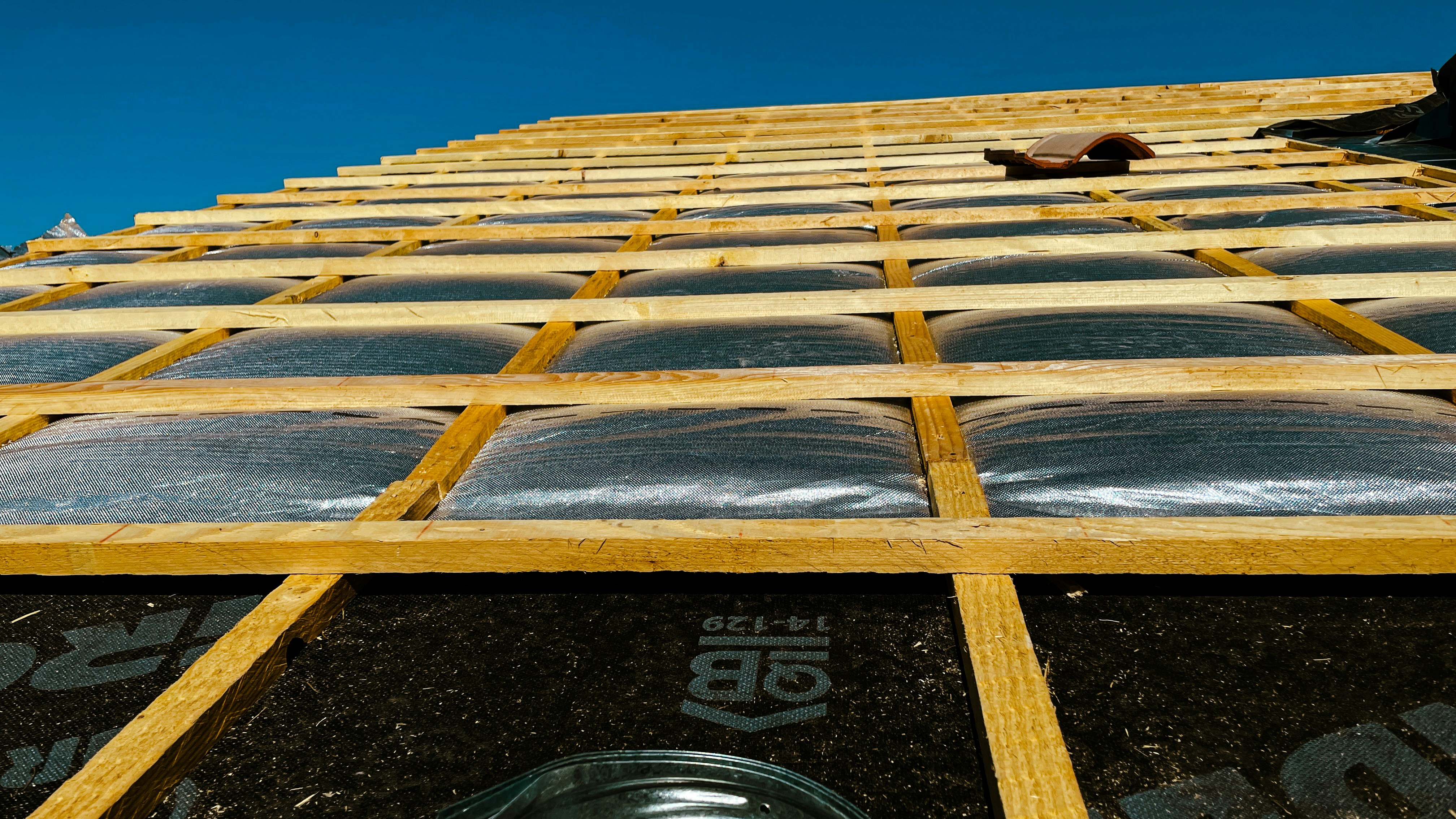
A roof structure is a crucial part of any building, protecting the interior from the vagaries of weather and providing structural stability. It consists of various components, each serving a specific purpose and contributing to the overall functionality and aesthetics of the roof. This article aims to break down the anatomy of a roof structure, helping you comprehend its intricate design principles.
The Basic Components of a Roof Structure
Rafters
The fundamental skeletal framework of a roof, rafters are the angled beams that support the roof’s weight and shape. They are typically made of wood, steel, or sometimes concrete. The spacing, length, and thickness of the rafters can vary depending on the roof’s design and the load it needs to bear.
Sheathing
Roof sheathing or roof decking is the layer of material attached to the rafters, serving as the base for the roof’s cover. It provides additional strength to the structure and creates a flat, smooth surface for the roof cover.
Underlayment
Underlayment is a protective layer installed over the sheathing before the final roofing material is applied. It acts as a barrier against water and ice, preventing them from seeping into the structure and causing damage.
Roof Cover
Also known as the roof surface, the roof cover is the outermost layer of the roof. It is typically made of materials like shingles, tiles, metal, or rubber, and its primary purpose is to protect the structure from external elements.
Design Principles of a Roof Structure
Roof structures come in various designs, each with its unique principles and benefits. Here are some common types:
Gable Roof
Gable roofs have two sloping sides that come together at a ridge, creating a triangular shape. This design allows for easy water runoff and provides more space for the attic or vaulted ceilings.
Hip Roof
Hip roofs have slopes on all four sides. The sides are all equal length and come together at the top to form a ridge. This design is more stable than the gable roof and is ideal for high wind areas.
Flat Roof
As the name suggests, flat roofs appear flat but do have a slight pitch for water drainage. These roofs are easy to construct and provide extra living space.
Mansard Roof
A mansard roof, also known as a French roof, is characterized by two slopes on each of its four sides. The lower slope is steeper than the upper one, providing extra living space.
Conclusion
The anatomy of a roof structure is a complex blend of design and functionality, ensuring the building’s safety and enhancing its aesthetic appeal. Whether you are building a new home or renovating an existing one, understanding the roof structure can help you make informed decisions about the design and materials that suit your needs best.
Contact us today and discover what we can do to revitalize your roof!