
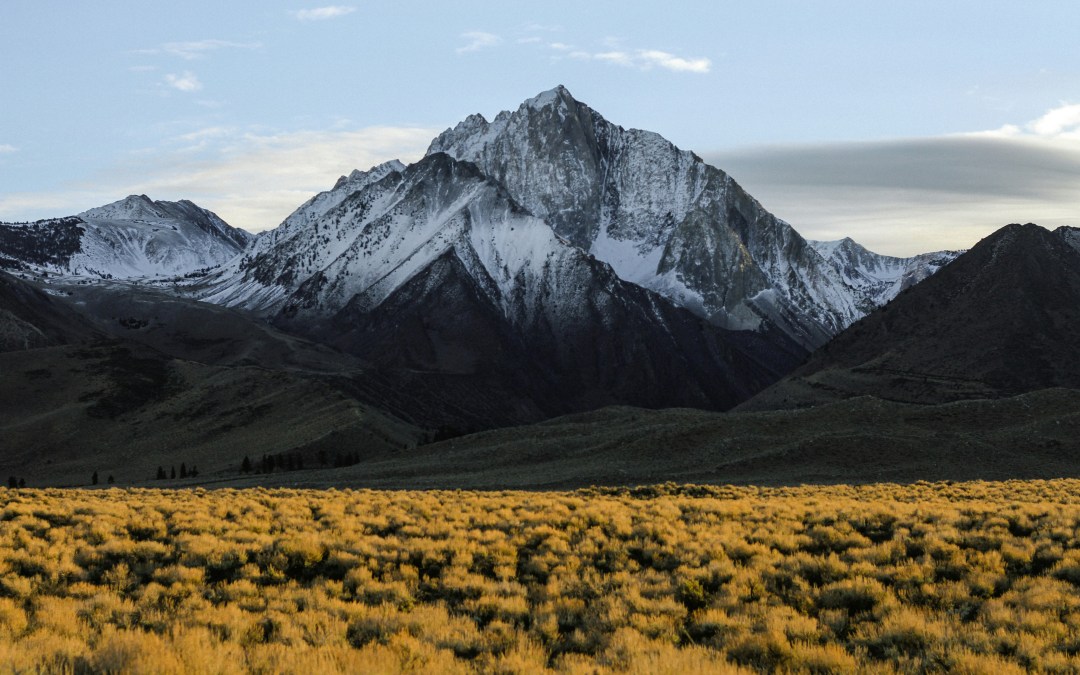
Colorado’s mountain and Front Range homes face a unique mix of snow load, freeze–thaw cycles, wind, and hail. Timing your roof replacement around these conditions protects your home and your investment. Here’s how AC INC. Roofing—Denver’s 5‑star rated, licensed and insured roofing contractor—helps homeowners and property managers schedule successfully in cold, snowy weather.
Quick facts about AC INC. Roofing
- Based at 6145 Broadway, Suite 25, Denver, CO 80216
- Serving the Denver metro, Front Range, and Cheyenne, WY
- Free roof inspections by Master HAAG‑certified inspectors
- Residential and commercial roofing, repairs, replacements, storm-damage restoration and insurance claims support
- Premium systems: impact‑resistant asphalt shingles, metal and tile, TPO/EPDM/Modified Bitumen, fluid‑applied coatings
- Top credentials: Atlas Pro+ Platinum (up to 50‑year warranties), GAF Certified (System Plus warranties), Directorii‑certified (up to $20,000 customer guarantee), Fortified Roofing Solutions certified
- Professional memberships: RSRA (invitation‑only), CRA, NRCA, APA
Best seasons for mountain-area roof replacement
Every roof and site is different, but these guidelines help you plan:
- Late spring (May–June): Consistent daytime warmth and longer daylight. Ideal for asphalt shingles to self‑seal and for low‑slope membranes to bond appropriately.
- Early fall (September–October): Stable weather after summer hail season with moderate temperatures. Excellent for shingle, metal, and membrane systems.
- Mid‑summer (July–August): Good for scheduling, but mountain hail and fast‑moving storms are common; we build weather buffers into the plan.
- Winter (November–March): Selectable weather windows are possible on clear, dry days using cold‑weather techniques. Expect extra contingencies for snow/ice removal, shorter daylight, and hand‑sealing steps where required.
Tip: If your roof is storm‑damaged, don’t wait. We can dry‑in, document the loss for your insurer, and schedule the full replacement as the next safe window opens.
Temperature, moisture, and wind: what really matters
- Asphalt shingles: Manufacturers generally prefer installation above ~40°F for proper sealing. In colder temps we follow manufacturer protocols, including warming bundles, adjusting nailing, and hand‑sealing where specified to protect warranties.
- Self‑adhered underlayments (ice & water shield): Many products have minimum temperature ranges; winter‑grade options exist, but the deck must be dry and free of frost.
- Metal roofing: Can be installed in colder conditions if the substrate is dry. Proper snow‑retention layout, flashing, and fastener practices are critical to manage sliding snow and wind uplift.
- Low‑slope membranes (TPO/EPDM/Modified Bitumen): Cold affects adhesives and welding. We select systems and installation methods appropriate to temperature and humidity so seams and flashings perform long‑term.
- Moisture and wind: We will not install over wet, icy, or snow‑covered decks. Wind and gust patterns in the foothills require upgraded fastening schedules and accessories.
Mountain-ready materials and details
- Impact‑resistant shingles: Help resist hail common to the Front Range and mountain foothills.
- Ice‑dam defense: Self‑adhered ice & water barrier at eaves, valleys, and penetrations; coverage tailored to local code (often extending at least 24″ inside the warm wall line).
- Ventilation: Balanced intake and exhaust helps reduce ice dams and attic condensation. Ridge vents with proper baffles and continuous soffit intake are common solutions.
- Metal systems: Excellent for snow shedding; snow‑retention devices are designed to protect walkways and lower roofs while preventing avalanche‑style releases.
- Fortified Roofing Solutions: For clients seeking a stronger assembly, our Fortified certification supports upgrades engineered to withstand high winds and severe hail.
Scheduling realities for mountain properties
- Access and staging: Steep driveways, narrow roads, or HOA/road restrictions can affect delivery sizes, dumpster placement, and crew scheduling.
- Snow and ice management: Time is built in for safe clearing of work areas. We never tear off into an incoming storm without a full dry‑in plan.
- Short days and cold: Winter work may run slightly longer due to daylight and temperature constraints; we sequence critical steps for the warmest part of the day.
- Noise and wildlife: We observe local quiet hours and take care to keep sites clean and secured.
A smart timeline you can follow
1) Free inspection and consultation: A Master HAAG‑certified inspector evaluates the roof, documents hail/wind/snow load issues, and identifies code‑specific ice‑barrier needs.
2) Options and scope: We compare materials—IR shingles, metal, or appropriate low‑slope membranes—and discuss ventilation and gutter upgrades if needed.
3) Insurance support (if storm damage): We assist with thorough documentation, photo reports, and communication with your carrier.
4) Scheduling your weather window: We select target dates with contingency days and reserve materials and crews accordingly.
5) Dry‑in strategy: If weather shifts, we prioritize a robust dry‑in using synthetic underlayment and ice & water shield to protect the deck.
6) Installation and quality control: Work proceeds per manufacturer specs and local code. We photograph key details for your records and warranty registration.
7) Final walkthrough and documentation: You receive close‑out photos, warranty info (Atlas Pro+ Platinum or GAF System Plus where applicable), and maintenance tips.
What about gutters and siding?
Ice dams and heavy snow can overwhelm undersized gutters or damage aging fascia and siding. As part of a roof replacement, AC INC. Roofing can coordinate new gutters and address siding tie‑ins to improve drainage and durability.
Low‑slope and flat roofs in cold climates
For cabins, additions, or commercial buildings with low‑slope roofs:
– TPO: Heat‑welded seams perform well when substrates are clean and dry; we schedule welding during suitable temperature windows.
– EPDM: Tape‑seam systems can be favorable in colder weather with proper preparation.
– Modified Bitumen: Self‑adhered or torch‑applied systems are selected case‑by‑case for temperature and substrate conditions.
– Fluid‑applied coatings: In some cases, coatings can extend roof life or serve as an interim solution until a broader replacement window opens, subject to temperature and cure requirements.
FAQs
- Can you replace a roof in winter? Yes—on clear, dry days using cold‑weather methods and manufacturer‑approved practices. Expect longer timelines and more contingencies.
- How long does a replacement take? Most single‑family projects take 1–3 days in favorable weather; larger/complex or winter projects can take longer.
- What if it snows mid‑project? We dry‑in the roof the same day and pause until conditions allow safe, high‑quality work.
- Do you work in mountain communities? We serve the Denver metro and Front Range foothills, along with Cheyenne, WY. Ask us about your specific address.
Why choose AC INC. Roofing
- Colorado’s first company to achieve Master HAAG Certification
- Atlas Pro+ Platinum and GAF Certified for industry‑leading warranties
- Directorii‑certified for added customer protection
- Fortified Roofing Solutions certified for high‑wind, severe‑hail resilience
- 5.0‑star reputation for integrity, reliability, and clear documentation
Whether you’re planning ahead for spring, targeting a fall weather window, or navigating a necessary winter replacement after storm damage, we’ll build a schedule and scope that fit the realities of snow, ice, and cold—without compromising quality.
Have questions or need an expert assessment? Contact Us today.