
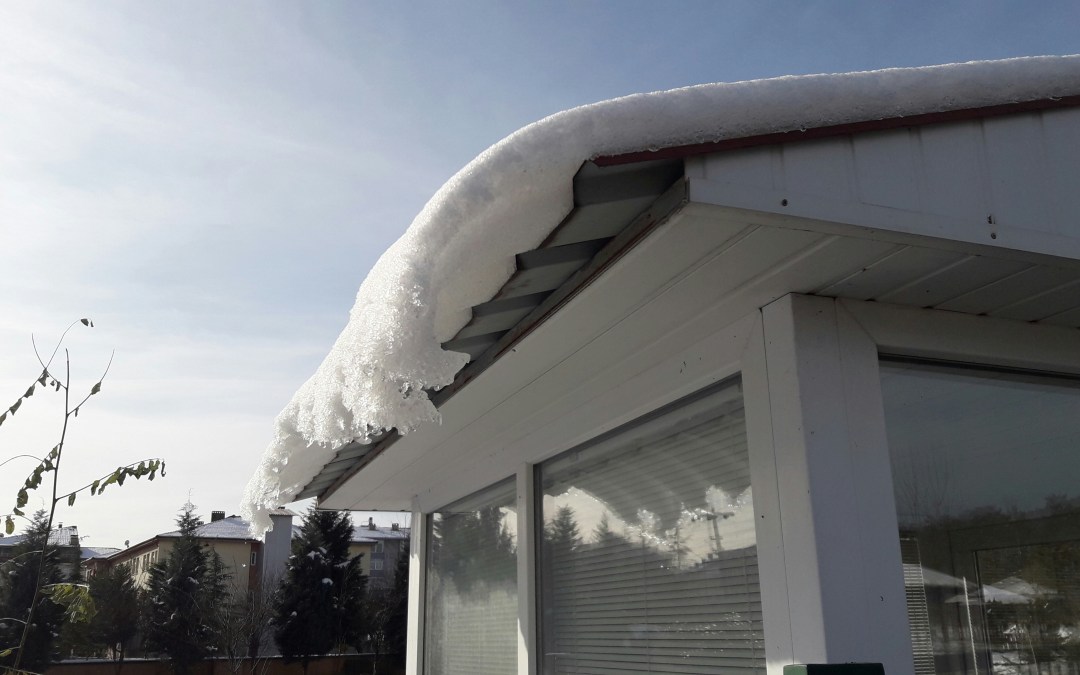
Colorado’s Front Range can stack up fast: heavy, wet spring snow, powdery mid-winter storms, and freeze–thaw cycles that create ice dams. If you’re wondering whether to clear your roof after a storm—and how to do it safely—this guide explains the difference between roof snow removal and roof raking, plus when to call the pros at AC INC. Roofing.
AC INC. Roofing is a licensed, insured, 5.0‑star rated contractor serving the Denver metro area, the Front Range, and Cheyenne, WY. Our HAAG‑certified inspectors provide free roof inspections, and our teams are highly credentialed in storm-damage evaluation, repairs, and replacements.
Roof snow removal vs. roof raking: what’s the difference?
- Roof snow removal: Clearing snow and ice from the roof surface. This can involve accessing the roof to shovel, blow, or steam. It’s higher risk and typically a job for trained professionals—especially on steep, multi-story, or low‑slope commercial roofs.
- Roof raking: Pulling snow off from the ground using a long-handled roof rake. When done correctly, this lowers risk and is often enough to reduce load and help prevent ice dams at the eaves. Homeowners commonly rake the first 3–4 feet above the gutters.
Pros and cons at a glance
- Roof raking (from the ground)
- Pros: Faster, safer for homeowners, reduces ice dam risk at eaves, inexpensive.
-
Cons: Limited reach; may not address deep drifts or higher areas; improper technique can damage shingles or gutters.
-
Full roof snow removal (on the roof)
- Pros: Addresses heavy accumulations, drifts, and valleys across the entire roof; helpful for flat/low-slope roofs.
- Cons: Safety risks; potential for roof damage if done improperly; best left to trained pros with fall protection and the right tools.
When should you remove snow? Front Range guidelines
Every roof is different. Loads depend on snow density, drifting, roof slope, geometry, and structure. Rather than fixed numbers, use these practical cues:
- Depth and weight: Wet, heavy snow weighs far more than powder. A foot of heavy spring snow can add significant load. Consider raking the lower 3–4 feet after major storms, especially if temperatures will drop overnight.
- Drifts and valleys: Watch for deeper drifts near ridges, dormers, and behind parapets on flat/low-slope roofs—these can concentrate loads.
- Warning signs: New ceiling cracks, interior doors sticking, popping/creaking, sagging soffits, or active leaks warrant immediate attention and a professional inspection.
- Balance matters: If you clear, do it evenly. Avoid removing all snow from one section while leaving heavy drifts elsewhere; uneven loading can stress the structure.
If you manage a commercial or multifamily property with low‑slope roofing (TPO, EPDM, Modified Bitumen), plan for professional removal when drifts form near parapets or rooftop equipment. Never push snow against drains; keep primary and overflow drainage paths open.
Ice dams: what they are and how to prevent them
Ice dams form when heat from the home melts roof snow, and the melt refreezes at the colder eaves. Water backs up behind the ice and can infiltrate under shingles, leading to leaks.
Prevention and mitigation:
– Rake early: Removing the bottom 3–4 feet of snow after a storm helps deny ice dams their fuel.
– Ventilation and waterproofing: A properly ventilated roof assembly plus quality underlayment (ice-and-water protection) reduces risk. During repairs or replacement, AC INC. Roofing installs complete, manufacturer-approved systems from Atlas and GAF.
– Drainage and gutters: Clear gutters and downspouts so meltwater flows freely. Consider evaluating gutter sizing and placement during a roofing project.
– De-icing caution: Avoid chopping ice—it damages shingles. Avoid rock salt; it can corrode metals and harm landscaping. If ice is severe, contact a professional for safe removal and to assess underlying causes.
Safety do’s and don’ts
- Do use a roof rake with a non-abrasive head and telescoping handle; work from the ground when possible.
- Do leave a thin layer of snow to protect shingles—don’t scrape down to granules.
- Do keep clear of power lines and avoid standing under sliding snow on metal roofs.
- Don’t climb onto icy roofs or ladders without professional training and fall protection.
- Don’t use metal shovels or sharp tools that can puncture membranes or scrape shingles.
- Don’t block roof drains on low-slope roofs.
How AC INC. Roofing can help
- Free, HAAG-certified roof inspections: After heavy snow or if you see leaks, staining, or gutter ice dams, our inspectors provide thorough documentation for insurance claims and clear next steps.
- Repairs and replacements: From shingle and metal systems to TPO, EPDM, Modified Bitumen, and fluid-applied coatings for low-slope roofs.
- Storm damage and insurance support: We specialize in storm-damage evaluation and advocacy with carriers, backed by detailed photos and reports.
Credentials that protect your property:
– Master HAAG Certification (Colorado’s first company to reach Master level)
– Atlas Pro+ Platinum Certified contractor (eligible for warranties up to 50 years when installed as a complete system)
– GAF Certified contractor (System Plus warranties available)
– Directorii-certified (backed by up to a $20,000 customer guarantee)
– Fortified Roofing Solutions certified
– Active members of RSRA, CRA, NRCA, and APA
Long-term upgrades for winter resilience
- Impact-resistant shingles: Atlas and other impact-resistant options help withstand hail and can handle freeze–thaw better than aged, brittle shingles.
- Metal roofing: Sheds snow efficiently; pair with properly designed snow guards to control slide-off near walkways and entries.
- Low-slope systems: TPO, EPDM, Modified Bitumen, or fluid-applied coatings designed for Colorado temperature swings.
- System design: Proper flashing, ventilation, and underlayment choices made during replacement reduce ice dam risks and improve longevity.
FAQs
- Do I need to clear my roof after every storm? No. Prioritize raking at the eaves after big, wet storms or when deep drifts form. Monitor interior and exterior signs of stress or leaks.
- Will a roof rake damage shingles? Used correctly from the ground, with a non-abrasive head, it’s generally safe. Avoid scraping down to the shingle surface.
- What about flat roofs? Leave on-roof work to professionals. Focus on keeping drains and scuppers clear and watch for drifting.
- Who should I call if I see a leak? Contact AC INC. Roofing for a free inspection. We’ll assess damage, provide documentation, and recommend repairs or replacement if needed.
Serving the Denver metro, the Front Range, and Cheyenne from our office at 6145 Broadway, Suite 25, Denver, CO 80216, AC INC. Roofing stands for integrity, reliability, and exceptional service.
Ready for expert help after a storm or ice dam? Contact Us today.