
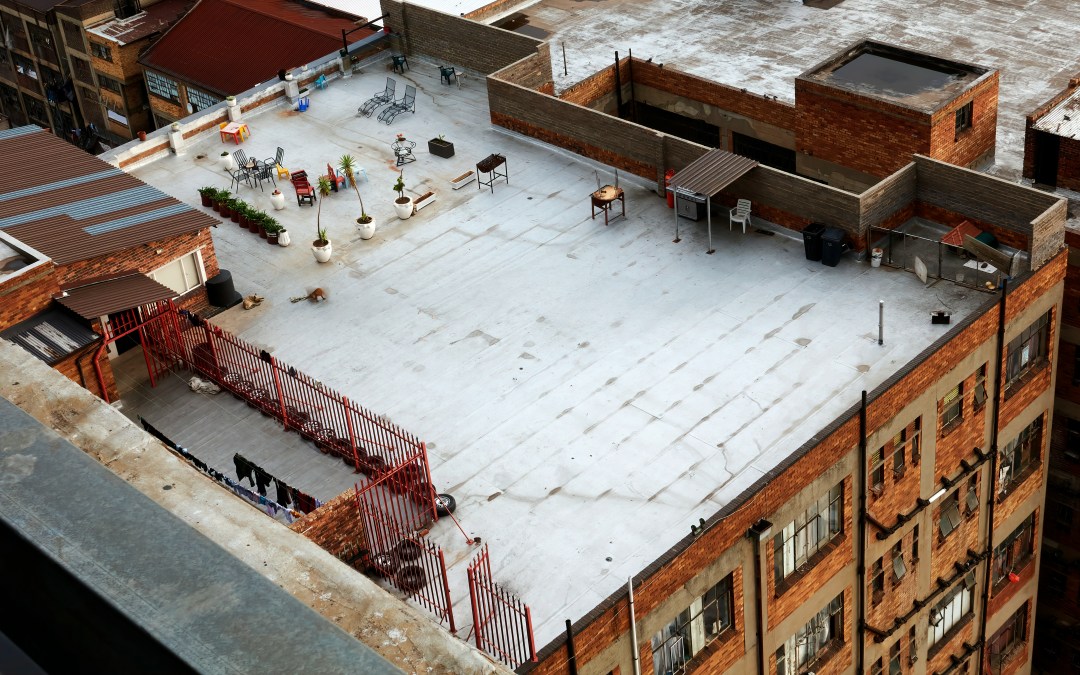
Reflective, fluid‑applied roof coatings can turn a heat‑soaked roof into a cooler, longer‑lasting asset—especially along Colorado’s high‑altitude Front Range. This guide explains how coatings deliver return on investment (ROI) for Denver and Cheyenne commercial properties, what to expect in our hail-, UV-, and snow‑prone climate, and how AC INC. Roofing evaluates whether your roof is a good candidate.
What is a reflective roof coating?
Reflective roof coatings are fluid‑applied membranes (often white or light‑colored) designed to improve solar reflectance and thermal emittance. Applied over existing low‑slope systems—TPO, EPDM, modified bitumen, and metal—they can:
- Reduce roof surface temperatures by reflecting sunlight
- Limit thermal expansion/contraction stresses
- Seal minor seams and details to improve waterproofing
- Extend service life of the underlying roof assembly
Common chemistries include acrylic, silicone, and polyurethane/urethane systems. The right selection depends on substrate, slope, ponding water, and performance goals.
Why coatings make financial sense in Colorado
- Energy cost savings: At Denver’s elevation, UV intensity is higher, so reflective roofs can significantly lower summertime roof temps and HVAC loads. Many facilities see noticeable reductions in cooling energy and peak demand during the hottest months.
- Life extension and deferred capital: Coatings protect the existing membrane from UV and weathering, often deferring a costly tear‑off for years when the substrate is dry and sound.
- Lower lifecycle costs: Reduced thermal cycling and improved waterproofing can translate to fewer leaks, less emergency service, and predictable maintenance.
- Minimal disruption: Coating projects are typically faster and less disruptive than full replacements—valuable for occupied facilities and retail.
- Environmental benefits: Avoided tear‑off means less landfill waste, and cooler roofs can mitigate urban heat island effects.
Note: Winter solar gain on dark roofs is modest compared to wall/window gains and insulation value. In Colorado’s heating‑dominant climate, the net annual effect of a reflective roof is often still positive due to lower summer cooling and reduced membrane degradation.
ROI math you can use (illustrative)
Every building is different, but this framework can help:
- Payback period = Project cost ÷ Annual net savings
- ROI (%) = [(Annual net savings × Expected service years) – Project cost] ÷ Project cost × 100
Example scenario (for illustration only):
- Building: 20,000 sq ft single‑story retail in Denver
- Existing roof: Aged modified bitumen; no trapped moisture; good adhesion
- Coating system cost: ~$2.25–$3.50/sq ft installed (scope‑dependent)
- Comparable recover/replacement: ~$8.00–$14.00/sq ft
- Energy impact: 8%–15% summer cooling electricity reduction plus modest peak‑demand reduction
- Annual savings estimate: $0.10–$0.25 per sq ft ($2,000–$5,000), plus reduced leak calls/maintenance
If project cost is $60,000 and conservative net savings are $3,000/year, simple payback is ~20 years—often improved by added maintenance savings, avoided tear‑off, and any available utility incentives. Many owners also value the capital deferral when coatings add service years to a dry, sound roof.
Always base decisions on an inspection, utility data, and substrate testing.
Colorado/Front Range performance considerations
- High UV at altitude: Coatings shield membranes from intense solar exposure in the Denver metro and along the Front Range, slowing degradation.
- Hail: Coatings are not hail‑proof. AC INC. Roofing is Fortified Roofing Solutions certified and can recommend assemblies engineered for high‑wind and hail exposure. If a coating is used, we’ll align expectations and maintenance plans for our hail‑prone region.
- Snow and freeze‑thaw: Elastomeric coatings accommodate thermal movement and can help protect seams during temperature swings. In winter, white roofs may hold snow reflectivity longer; insulation and air sealing remain the biggest drivers of heating performance.
- Ponding water: Product selection matters. Silicones typically tolerate ponding best; acrylics often require positive drainage. We’ll specify accordingly.
- Weather windows: Coating projects require clean, dry surfaces and temperature ranges per manufacturer guidelines—often making late spring through early fall ideal along the Front Range and in Cheyenne.
Is your roof a good candidate?
Reflective coatings are most successful when the existing roof is:
- Dry (no trapped moisture) and structurally sound
- Well‑adhered with limited saturated areas
- Compatible with coating chemistry (TPO, EPDM, modified bitumen, and metal are common)
- Properly prepared (cleaning, repairs, seam reinforcement, priming as needed)
AC INC. Roofing’s HAAG‑certified inspectors perform:
- Comprehensive condition assessments and core samples
- Moisture detection and documentation
- Adhesion and compatibility testing
- Scope design with photos, drawings, and material specs
This upfront diligence protects your investment and supports warranty and insurance documentation when storm damage is involved.
Coating options at a glance
- Acrylic: High reflectivity, cost‑effective, easy to recoat; typically best on roofs with positive drainage.
- Silicone: Excellent UV stability and ponding‑water resistance; strong choice for many low‑slope retrofits.
- Urethane/Polyurethane: Tough, abrasion‑resistant; often used in combination systems for added durability.
AC INC. Roofing installs fluid‑applied coating systems tailored to your existing substrate and performance goals, including over TPO, EPDM, modified bitumen, and metal.
How AC INC. Roofing maximizes your ROI
- Master HAAG Certification: Colorado’s first company to reach the Master level—precise damage evaluation and documentation.
- GAF Certified contractor: Trained and vetted installer; we match systems to manufacturer requirements.
- Directorii‑certified: Backed by a customer guarantee up to $20,000.
- Fortified Roofing Solutions certified: Guidance on resilient assemblies capable of withstanding severe wind and hail.
- Insurance advocacy: If storms precipitated roof damage, our team provides thorough documentation to support claims.
- Free inspections: HAAG‑certified inspections help you decide whether a coating, repair, or replacement provides the best value.
- 5.0‑star reputation: Licensed and insured, serving the Denver metro, Front Range, and Cheyenne, WY from our office at 6145 Broadway, Suite 25, Denver, CO 80216.
FAQs
- How long do coatings last? Service life varies by product, thickness, substrate, and maintenance. Many systems are designed to be renewed with additional coating later in the lifecycle.
- Will a coating void my current warranty? It depends on the manufacturer and existing warranty terms. We’ll review documentation and specify options that preserve or replace coverage as appropriate.
- Can every roof be coated? No. Saturated insulation, extensive damage, or structural issues can make replacement more prudent. Our inspection identifies the right path.
- What maintenance is required? Annual inspections and prompt repair of damage keep coatings performing and support warranty compliance.
- Are there incentives? Some utilities offer programs for cool roofs; availability varies. We can help you gather the information your utility or consultant may need. Always consult your tax professional for potential deductions or credits.
Next steps
If you manage a commercial roof in the Denver metro, the Front Range, or Cheyenne, a reflective coating may lower operating costs and extend roof life—without the disruption of a full tear‑off. Schedule a free, HAAG‑certified inspection to learn whether your roof is a strong candidate and to receive a clear, numbers‑driven proposal.