
In the ever-evolving world of construction and home maintenance, staying up-to-date with the latest standards is crucial. The Insurance Institute for Business & Home Safety (IBHS) has recently released its 2025 standards, focusing on enhancing the resilience of residential roofs. At AC INC. Roofing, we understand the importance of these updates and are committed to helping you protect your home. Here’s what you need to know about the 2025 IBHS standards and how they influence roofing practices.
Understanding the 2025 IBHS Standards
The 2025 IBHS standards are a set of guidelines aimed at improving the durability and resilience of roofs against extreme weather conditions. These standards are designed to mitigate damage from hazards such as high winds, hail, and heavy rains, which are becoming increasingly common due to climate change. By adhering to these standards, homeowners can significantly reduce the risk of roof damage and, by extension, costly repairs.
Key Takeaways from the 2025 IBHS Standards
1. Enhanced Wind Resistance
One of the primary focuses of the 2025 IBHS standards is wind resistance. Roofs are often the first line of defense against high winds, and the new standards emphasize the importance of using materials and construction techniques that can withstand severe gusts. This includes the use of wind-rated shingles and reinforced roof decks.
2. Improved Hail Impact Resistance
With the increase in severe hailstorms, the 2025 standards also prioritize impact resistance. The guidelines recommend materials that can absorb and deflect the energy of hailstones, minimizing damage. This includes the adoption of roofing materials that meet or exceed Class 4 impact resistance ratings, which are tested to withstand the impact of 2-inch diameter hailstones.
3. Water Infiltration Prevention
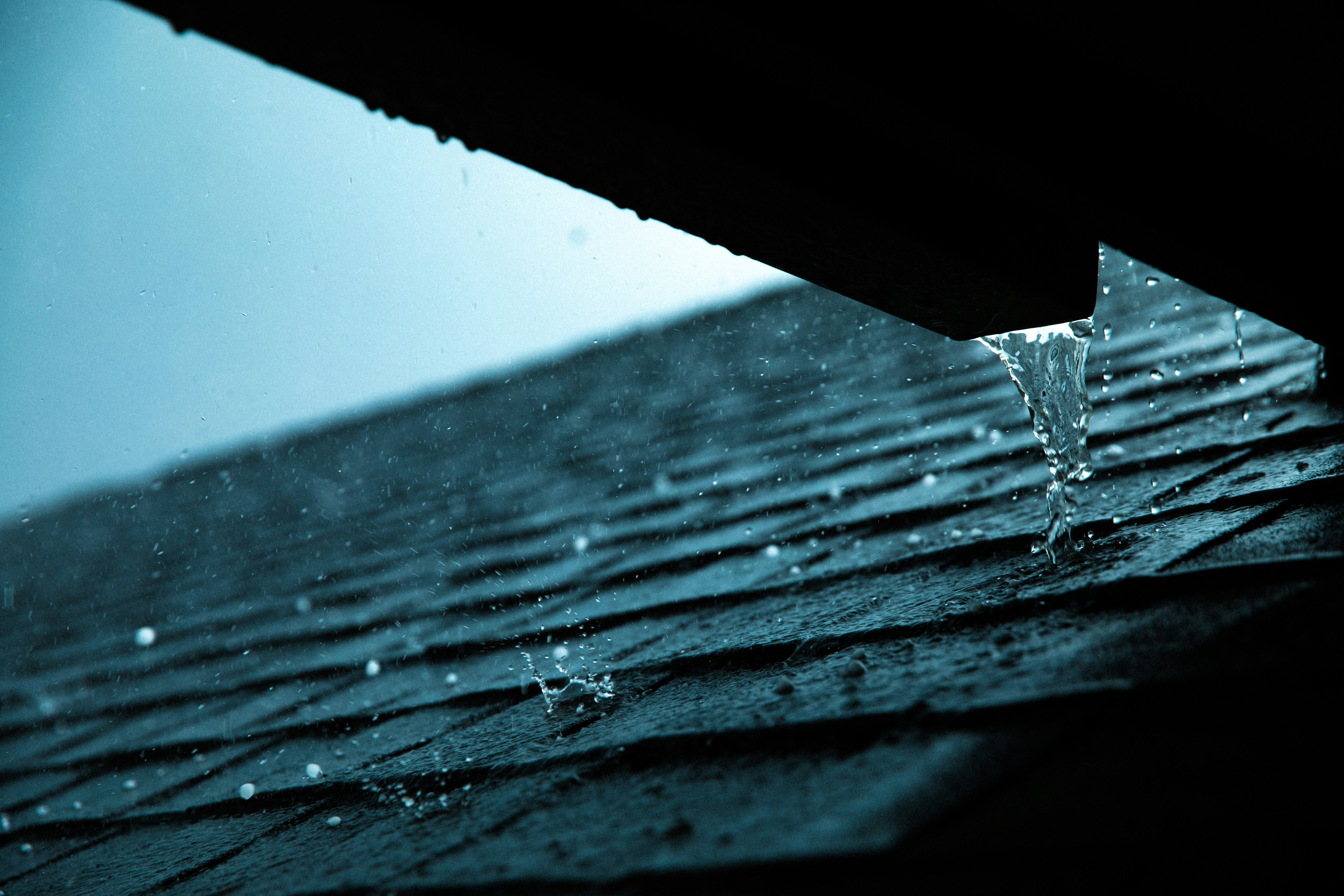
Preventing water infiltration is crucial to maintaining the structural integrity of a home. The new standards advocate for the use of advanced underlayment systems and proper roof slope design to ensure effective water runoff. Additionally, the guidelines suggest the installation of seamless gutters and downspouts to aid in directing water away from the roof and foundation.
4. Climate-Specific Recommendations
Recognizing that weather patterns vary significantly across regions, the IBHS has introduced climate-specific recommendations. This means that roofing practices are tailored to address the unique challenges posed by different climates, ensuring optimal protection against local weather conditions.
How AC INC. Roofing Can Help
At AC INC. Roofing, we are committed to excellence and are fully equipped to implement the 2025 IBHS standards in your roofing projects. Our team of skilled professionals is trained to assess your current roof’s condition and recommend the best materials and practices to enhance its resilience.
Our Services Include:
- Roof Inspection and Assessment: We evaluate your roof’s current state and identify areas that need improvement to meet the new standards.
- Material Selection: We guide you in choosing the best materials that align with the 2025 standards, ensuring your roof is both durable and aesthetically pleasing.
- Installation and Maintenance: Our expert installation services ensure that your roof is built to withstand the elements, and our maintenance plans help keep it in peak condition.
Conclusion
Incorporating the 2025 IBHS standards into your roofing strategy is a proactive step towards safeguarding your home against the increasing threat of extreme weather. At AC INC. Roofing, we’re here to support you every step of the way, providing expert advice and quality service. Contact us today to learn more about how we can help fortify your roof’s resilience and protect your investment for years to come.