
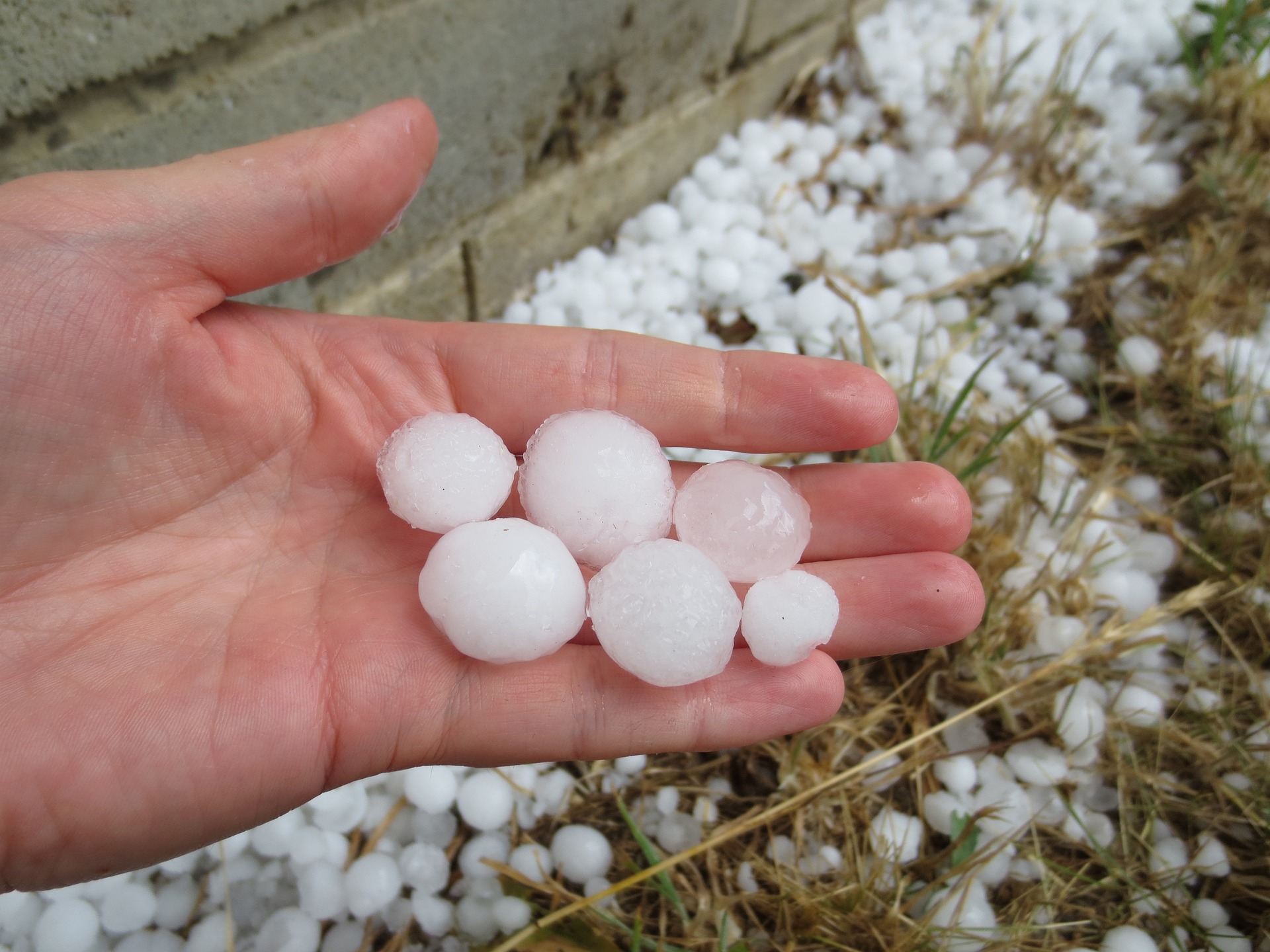
Roof damage can be a homeowner’s worst nightmare. Apart from the potential of dealing with leaks and other related problems, the process of filing an insurance claim and exploring repair options can feel daunting. This article will guide you through the steps of dealing with roof damage.
Understanding Roof Damage
Roof damage can occur due to various reasons, including storms, falling debris, or just the inevitable wear and tear. Some common signs of roof damage include:
- Missing or damaged shingles
- Leaks or water damage inside your home
- Loose or exposed nails
- Damaged flashing
Filing an Insurance Claim for Roof Damage
Assess the Damage
Begin by assessing the extent of the damage. This will help you describe the situation accurately when you contact your insurance company. Take pictures and make notes of all visible damage.
Contact Your Insurance Company
As soon as you notice the damage, contact your insurance company. They will guide you through the claim process. Provide them with all the information you have gathered, including the cause of the damage (if known), the extent of the damage, and any photos you took.
Insurance Adjuster Inspection
Your insurance company will send an adjuster to inspect the damage. They will determine whether the damage is covered under your policy and the amount the insurance company will pay for repairs.
Review the Claim Settlement
Once the adjuster completes their inspection, they will send you a claim settlement report. Review this carefully to make sure you agree with their findings. If you disagree, you can appeal the decision.
Roof Repair Options
Repair
If the damage is minimal, repairing the affected area might be the best option. This could involve replacing damaged shingles or fixing leaks.
Roof Replacement
In cases where the damage is extensive, or the roof is near the end of its lifespan, a roof replacement may be the most cost-effective solution. This involves removing the old roof and installing a new one.
Roof Overlay
A roof overlay is another option, where a new layer of shingles is installed over the existing roof. While this is less expensive than a full replacement, it’s not suitable for all situations. It’s best to consult with a roofing professional.
Choosing a Roofing Contractor
When choosing a contractor for your roof repair or replacement, consider the following:
- Experience: Look for a company with a track record of high-quality work.
- Licensing and Insurance: Ensure the contractor is licensed and insured to protect you from any liability.
- Reviews and References: Check reviews and ask for references to assess the contractor’s reputation.
Conclusion
Dealing with roof damage can be stressful, but understanding the process of filing an insurance claim and knowing your repair options can make it manageable. Always consult with a roofing professional to determine the best course of action for your situation.
Contact us today and discover what we can do to revitalize your roof!