
Roof Cleaning in High Plains Homes: Preventing Algae and Mold
Colorado’s High Plains and Front Range deliver intense UV, sudden hail, wind-driven dust, and freeze–thaw cycles. Those conditions can also invite black streaks (algae), green patches (moss), or mold on organic debris. Here’s how homeowners and property managers can keep roofs clean safely—without risking damage or voiding warranties.
What’s growing on my roof?
- Algae (often Gloeocapsa magma): Appears as dark streaks, thrives on moisture and limestone filler in shingles, flourishes on north-facing or shaded slopes.
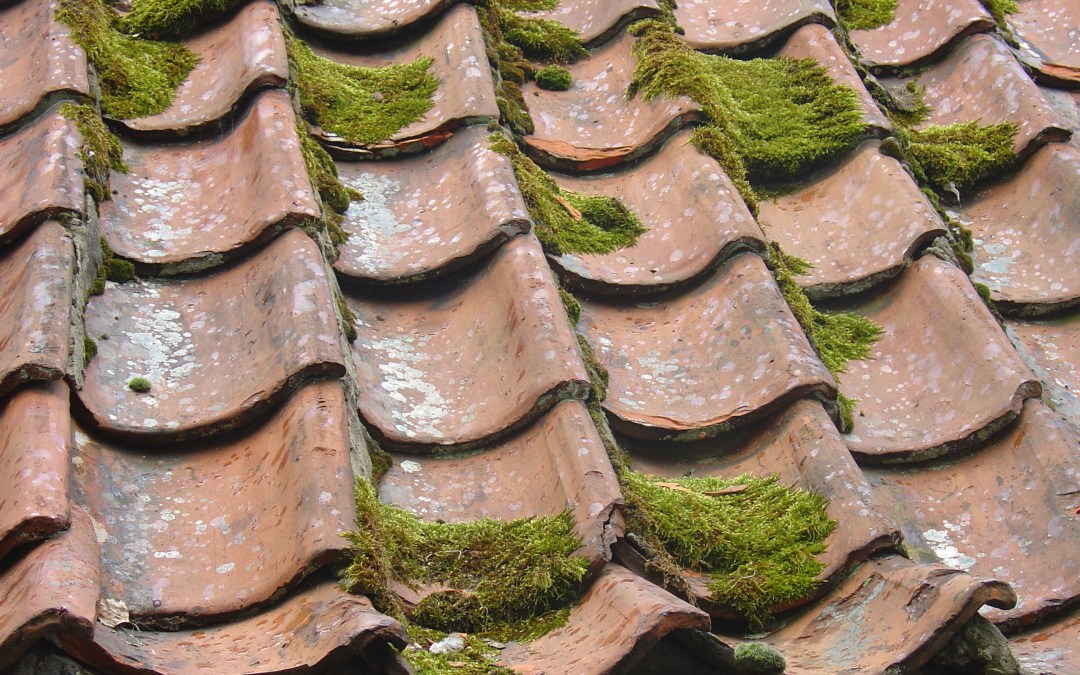
- Moss and lichen: More common where irrigation, trees, and persistent shade keep surfaces damp.
- Mold and mildew: Typically grow on trapped organic debris (leaves, needles) and in under-ventilated attics—less often on clean, sunlit roof surfaces.
Why High Plains roofs are vulnerable
- Intense sun and temperature swings stress shingle binders, making granules looser—fine dust and nutrients stick more easily.
- Afternoon thunderstorms and hail leave moisture and organic debris that feed growth.
- Snow that lingers on shaded slopes creates damp, cool conditions that algae and moss love.
Risks of algae and mold on roofing
- Premature aging: Growth holds moisture against surfaces and can accelerate granule loss on asphalt shingles.
- Slip hazards: On metal, tile, and low-slope membranes, biofilm can be slick for anyone walking the roof.
- Aesthetics and heat absorption: Black streaks increase heat gain and curb-appeal issues.
- Warranty concerns: Incorrect cleaning methods (pressure washing, harsh chemicals) may void manufacturer warranties.
Safe cleaning: Do’s and don’ts
- Do start with a professional inspection. AC INC. Roofing provides free roof inspections by HAAG-certified inspectors to identify growth, hail or wind damage, and leaks before cleaning.
- Do use low-pressure, “soft-wash” methods performed by qualified professionals. High-pressure washing can strip granules from asphalt shingles and damage flashings and seals.
- Do follow the shingle or membrane manufacturer’s cleaning guidance to protect warranties (e.g., Atlas, GAF, TPO/EPDM guidelines).
- Do protect landscaping and runoff. Pre-wet plants, divert downspouts, and rinse thoroughly.
- Don’t use wire brushes or abrasive tools on shingles or coatings.
- Don’t mix chemicals indiscriminately or clean in full sun/high heat—streaking and surface damage can result.
- Don’t allow anyone to walk fragile tiles or steep slopes without proper fall protection and training.
Asphalt shingles, metal, tile, and low-slope roofs—key differences
- Asphalt shingles: Never pressure wash. A soft-wash with manufacturer-approved solutions is safest. Algae-resistant shingles can help prevent recurrence.
- Metal roofs: Gentle detergents and very low pressure are typically acceptable; avoid scratching factory finishes.
- Tile roofs: Fragile underfoot—broken tiles lead to leaks. Soft-wash only, with limited foot traffic on proper load paths.
- TPO/EPDM/Modified Bitumen: Cleanliness is critical before any repair or coating. Use membrane-safe cleaners; avoid petroleum solvents that can degrade seams.
Preventing algae and mold from returning
- Choose algae-resistant shingles. As an Atlas Pro+ Platinum Certified contractor, AC INC. Roofing installs premium Atlas systems that offer advanced algae resistance (e.g., 3M copper-containing granules in select shingles) and can provide warranties up to 50 years on qualifying systems.
- Improve sun and airflow: Trim overhanging branches and reduce heavy shade where possible.
- Keep gutters clear: Standing water against the eave edge encourages growth and ice dams.
- Add copper or zinc strips at ridges: Rainwater carries ions downslope that inhibit algae growth on many roof types.
- Ventilate the attic: Balanced intake and exhaust reduce condensation and mold risk inside the roof system. Verify that bath/kitchen fans vent outdoors, not into the attic.
- Manage snow load: Safely remove heavy, lingering snow from shaded slopes to reduce prolonged moisture.
Timing your maintenance in the Front Range
- Spring: Inspect after winter’s freeze–thaw for lifted shingles, cracked tiles, or membrane seams; remove debris before spring storms.
- Late summer/early fall: Clear post-monsoon debris, check for hail impacts, clean out gutters before the first freeze.
- After major hail or wind: Schedule a professional assessment—growth may hide impact damage that can lead to leaks.
How AC INC. Roofing can help
- Free, HAAG-certified roof inspections: Thorough, photo-documented evaluations to guide safe cleaning and maintenance.
- Repairs and replacements: If growth has exposed underlying damage, our licensed and insured team restores the system.
- Roof rejuvenation: For aging asphalt shingles, rejuvenation can help restore shingle flexibility and extend service life after proper cleaning and inspection.
- Commercial roof expertise: For TPO, EPDM, Modified Bitumen, and fluid-applied coatings, surface cleaning and preparation are crucial steps our team can plan and manage as part of a restoration strategy.
Credentials that matter in Colorado’s climate
- Master HAAG Certification (Colorado’s first company at the Master level) for forensic storm-damage evaluation.
- Atlas Pro+ Platinum Certified and GAF Certified contractor for enhanced system and workmanship warranties on qualifying installations.
- Directorii-certified, backed by up to a $20,000 customer guarantee.
- Fortified Roofing Solutions certified for systems engineered to withstand 130 mph winds, EF-2 tornadoes, and 2″ hail.
- Active members of RSRA, CRA, NRCA, and APA—committed to best practices and consumer protection.
Service area and contact
Based in Denver at 6145 Broadway, Suite 25, Denver, CO 80216, AC INC. Roofing serves homeowners and property managers across the Denver metro, the Front Range, and Cheyenne, Wyoming.
Ready for a safe, manufacturer-compliant plan to clean and protect your roof? Our team will inspect, document, and guide the right next steps for your system and budget.