
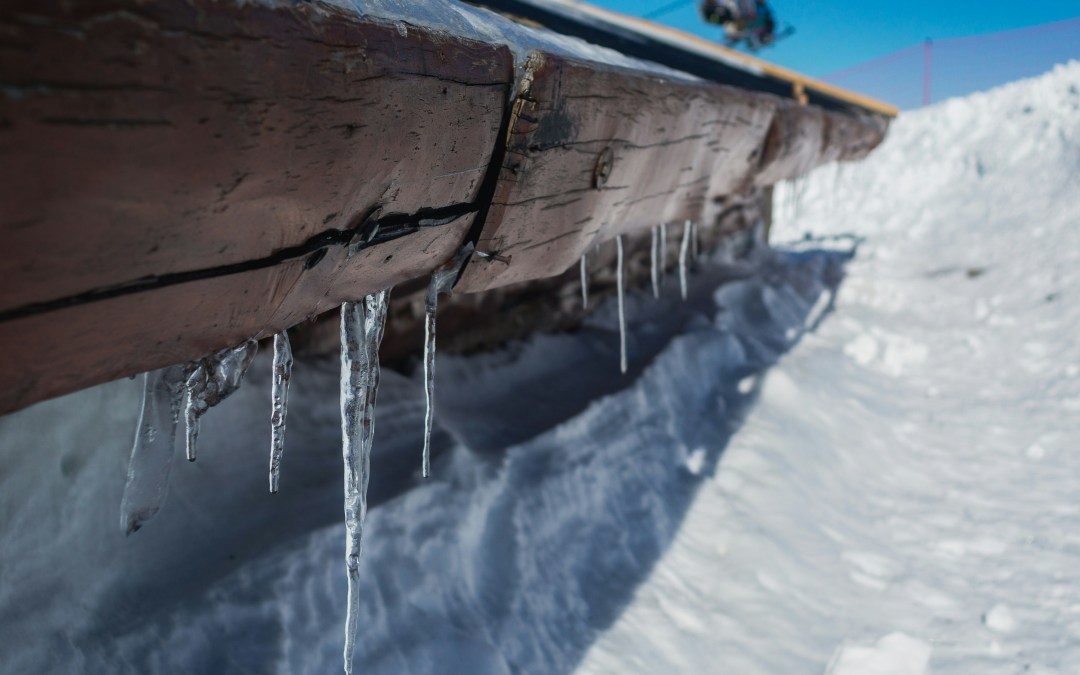
Evaluating Roof Replacement Estimates: Freeze-Thaw & Ice Dams
Homeowners and property managers along Colorado’s Front Range know winter isn’t just about snow—it’s about constant freeze-thaw cycles and the ice dams they can create. Those conditions stress roofing systems, drive leaks, and shorten service life. When you compare roof replacement estimates, confirm the scope specifically addresses these risks.
AC INC. Roofing (Advanced Consulting, Inc.) is a licensed, insured, and 5‑star rated contractor based in Denver and serving the Denver metro, Front Range, and Cheyenne, WY. Our Master HAAG Certified inspectors and manufacturer-certified crews build cold-weather resilience into every proposal—because that’s what Colorado roofs need.
What freeze-thaw and ice dams do to roofs
- Force water under shingles and flashings, causing interior leaks
- Lift or break shingles when ice expands, then contract fasteners as it melts
- Crack aged sealants and degrade underlayments
- Create gutter backups that wet the roof edge and fascia
- Accelerate membrane and flashing fatigue on low-slope roofs
The cold-weather resilience checklist for your estimate
Look for clear, written line items. If you don’t see these, ask for them.
1) Self-adhered ice and water protection
– Eaves: Ice barrier from the eave edge extending at least 24 inches inside the warm wall where required by local code; best practice on cold, shaded, or high-snow areas even if not required.
– Valleys and transitions: Self-adhered membrane in all valleys and at slope transitions, dead valleys, and eave returns.
– Penetrations and walls: Membrane around chimneys, skylights, pipe boots, and beneath sidewall/roof-to-wall flashings.
– High-temp variants: Use high-temperature ice/water shield beneath metal roofing or under dark roofs exposed to intense sun.
2) Underlayment specified for climate
– Synthetic underlayment with defined temperature ratings and UV exposure limits (not generic “felt”).
– For low-slope sections (2:12–4:12), enhanced underlayment or full-coverage self-adhered membrane per manufacturer guidance.
3) Flashing replacement and edge securement
– Replace, don’t reuse: New step flashing at every shingle course; new counterflashing at chimneys/masonry; new headwall and sidewall flashings; new pipe boots.
– Kickout diverters at roof-to-wall terminations to move meltwater away from siding.
– Drip edge and gutter apron integrated with underlayment and ice barrier, sealed at laps.
– Fastened per manufacturer with corrosion-resistant fasteners; sealed roof edges help resist wind and water entry.
4) Balanced attic ventilation
– Calculation shown: Net free vent area (NFA) with intake at soffits and exhaust at ridge or other approved vents, balanced per manufacturer and code.
– Baffles at eaves to keep insulation from blocking airflow.
– Vent choices suited to snow: Ridge vents with external baffles and end plugs; avoid mixing systems that short-circuit airflow.
Note: Insulation and air sealing reduce ice dams by limiting heat loss. Your roofing estimate should document observed attic conditions and recommend addressing deficiencies by a qualified professional if needed.
5) Cold-weather installation plan
– Adhesive/seal-strip activation: Procedures for sealing shingles in cold temps (hand-sealing where required by the manufacturer).
– Nailing: Specified nail count and pattern (e.g., six nails per shingle when required), correct nail placement, and depth settings to avoid over/under-driven fasteners in cold, brittle materials.
– Weather windows: Temperature and wind thresholds for safe installation and product performance.
6) Material selections that perform in Colorado
– Impact-resistant asphalt shingles for hail-prone areas; compatible starter strips and ridge caps.
– Metal or tile systems detailed for snow shedding and expansion/contraction.
– For low-slope roofs: TPO, EPDM, or Modified Bitumen with compatible cover boards and adhesives that cure in cold weather.
– Fluid-applied coatings (when restoration is appropriate) with surface prep, ponding-water considerations, and minimum mil thicknesses.
7) Valleys and high-flow areas
– Specify W-style metal or properly detailed closed-cut valleys over self-adhered membrane.
– Extra attention at north-facing valleys, dormers, crickets, and dead valleys where refreeze is common.
8) Gutters and downspouts (if included)
– Correct sizing and slope with robust hangers; outlet screens/strainers where helpful.
– Drip edge/gutter apron integration to move meltwater into the trough.
– Downspout extensions to carry discharge away from the foundation, limiting refreeze at eaves.
9) Low-slope and commercial considerations
– Positive drainage strategy: Tapered insulation layout to reduce ponding that becomes ice.
– Perimeter/edge metal with continuous cleats; curb and penetration flashings reinforced for thermal movement.
– Attachment method (fully adhered vs. mechanically attached) selected for winter performance and wind uplift.
– Walk pads at service areas to protect membranes in freeze-thaw.
Warranties and credentials that matter in cold climates
- Atlas Pro+ Platinum Certified contractor: Access to premium Atlas systems and warranties up to 50 years when installed to spec.
- GAF Certified contractor: System Plus warranties available on eligible systems.
- Directorii-certified: Your project is backed by a customer guarantee up to $20,000.
- Master HAAG Certification: Advanced damage assessment—critical for identifying ice-dam leaks and freeze-thaw impacts.
- Fortified Roofing Solutions certified: Training in resilient construction practices to better withstand severe weather.
- Professional memberships: RSRA (invitation-only), CRA, NRCA, APA—ongoing education and ethics.
Red flags in a winter-ready roofing estimate
- “Reuse existing flashing” with no inspection details or exceptions.
- No mention of ice and water shield at eaves/valleys.
- Generic “15# felt” or unspecified underlayment.
- No ventilation calculation or intake/exhaust balance.
- Caulk-only fixes at chimneys or skylights instead of new flashing.
- No cold-weather installation plan or hand-seal requirements.
- Missing drip edge/gutter apron details and kickout diverters.
- Vague material brands/models and no manufacturer data sheets.
Questions to ask before you sign
- Where will ice and water shield be installed, and how far inside the warm wall will it extend?
- Will all step flashing and counterflashing be replaced? How are kickout diverters detailed?
- What’s the NFA calculation and how will intake/exhaust be balanced?
- What shingle or membrane model is specified, and what are its cold-weather requirements?
- What is the nail count, placement, and fastener type?
- If low-slope areas exist, what is the tapered insulation plan and target slope?
- How will the team handle installation if temperatures drop below the manufacturer’s minimums?
How AC INC. Roofing addresses freeze-thaw and ice dams
- Free roof inspections by Master HAAG Certified inspectors who document ventilation, underlayment, flashing, and ice-dam risk areas with photos—ideal for insurance claims support when storm damage is present.
- Clear scopes that include self-adhered ice barriers at eaves/valleys and around penetrations, climate-appropriate underlayments, and complete flashing replacement.
- Balanced ventilation plans with NFA calculations and product choices suited for snow and wind.
- Premium materials: Atlas impact-resistant shingles, metal and tile systems, and commercial TPO/EPDM/Modified Bitumen options. Fluid-applied coatings and roof rejuvenation are available when restoration is appropriate.
- Manufacturer and third-party backing: Atlas Pro+ Platinum and GAF Certified options, Directorii certification (up to $20,000 guarantee), and FORTIFIED-focused best practices.
- Local, credentialed, and trusted: Licensed and insured, 5.0-star Google rating, serving the Denver metro area, the Front Range, and Cheyenne, WY.
For property managers and commercial owners
- Low-slope expertise: TPO, EPDM, Modified Bitumen, and coatings specified for winter performance and freeze-thaw resilience.
- Documentation-rich proposals and photo reports suited for budgeting and insurance.
- Storm damage restoration and insurance claims support to help streamline the process when severe weather strikes.
Next steps
If you’d like a second opinion on an estimate—or want a proposal that’s built for Colorado winters—our team is ready to help from our Denver office at 6145 Broadway, Suite 25, Denver, CO 80216.
Contact us for a free roof inspection and a winter-ready replacement plan.