
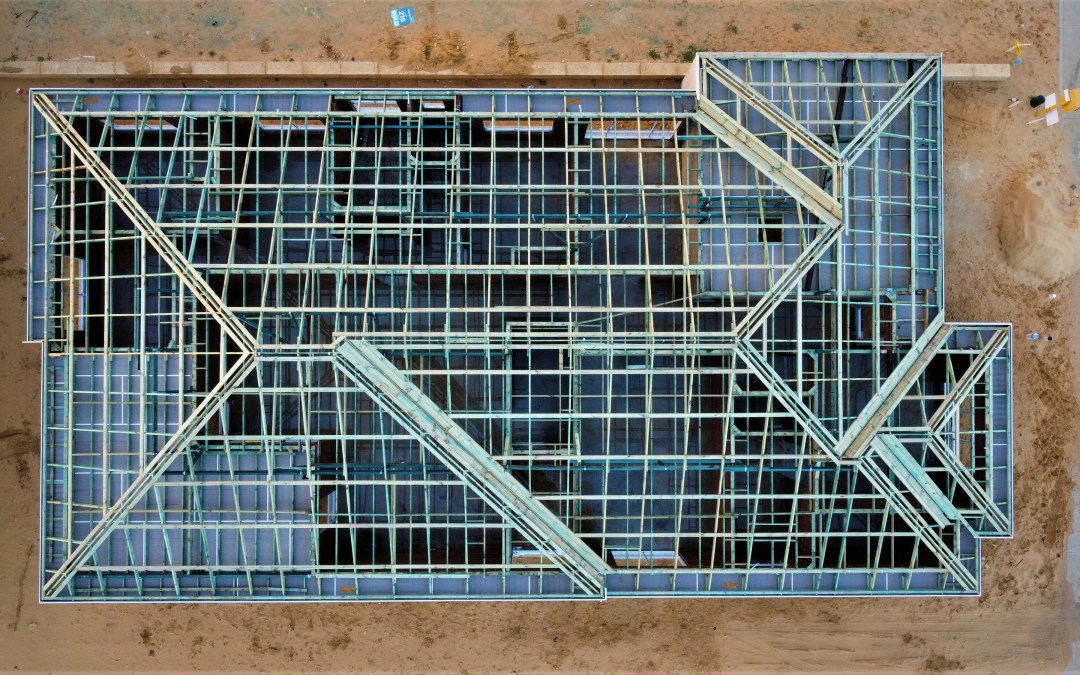
Proper roof deck preparation is the unsung hero of a roof that lasts in Colorado’s demanding climate. Whether you own a home in the Denver metro, manage buildings along the Front Range, or oversee facilities in Cheyenne, the way your roof deck is inspected, repaired, and readied before new materials go on will determine how well your roof performs against hail, snow, wind, and intense UV.
What is the roof deck—and why it matters
Your roof deck (often plywood or OSB sheathing fastened to rafters/trusses) is the foundation for everything above it: underlayment, ice and water barriers, shingles/metal/tile, and flashing. If the deck is uneven, weakened, or not properly fastened, even premium shingles or membranes can fail prematurely—voiding warranties and inviting leaks.
Colorado-specific stresses that magnify deck issues
- Hail impacts: A compromised deck can’t hold fasteners securely, so shingles or panels loosen after storms. Impact-resistant shingles perform best on a sound, well-fastened deck.
- Freeze–thaw cycles: Daily temperature swings at altitude can widen small gaps; poorly fastened or gapped decking telegraphs through roofing and accelerates wear.
- Snow load and ice dams: Inadequate deck sealing or ventilation can allow meltwater to back up under shingles and find weak points at seams and fasteners.
- High winds and Chinooks: Weak sheathing attachment leads to shingle blow-offs and edge failures.
- High-altitude UV: Intense sun quickly ages underlayments that aren’t correctly installed or protected, exposing decking to moisture.
Elements of proper deck preparation
AC INC. Roofing pairs best practices with manufacturer specs and local codes (IRC as adopted by your jurisdiction). Here’s what thorough deck prep includes:
1) Full tear-off and inspection
- Remove old roofing down to clean sheathing to reveal hidden damage, prior leaks, improper overlays, or unsealed penetrations.
- Document conditions with photos/video for you and (if needed) your insurance carrier.
2) Repair or replace compromised sheathing
- Replace boards with rot, delamination, swollen OSB, or sagging between rafters.
- Correct uneven surfaces: plane high spots, add proper blocking/shimming where needed so the new roof lies flat.
- Verify proper panel gapping at seams and correct orientation.
3) Correct fastening and framing issues
- Re-fastening the deck to framing using code-compliant patterns improves wind resistance, hail performance, and long-term hold.
- Address loose or backed-out nails and upgrade to appropriate fasteners where needed.
4) Ventilation and moisture control
- Balance intake and exhaust ventilation to reduce attic heat and moisture that can weaken decking and cause ice dams.
- Add baffles at eaves where necessary to keep airflow clear over insulation.
5) Underlayment and ice barrier placement
- Install synthetic underlayment per manufacturer specs for UV resistance and traction during install.
- Apply self-adhered ice & water barrier at eaves, valleys, rakes, and around penetrations. Extend coverage as required by local code and as conditions warrant in ice-dam-prone areas.
6) Edge metal and flashing integration
- Install drip edge and edge metal in the correct sequence with underlayment for a watertight perimeter.
- Replace worn step and counter-flashing at walls, chimneys, and skylights; do not rely on caulk as a primary seal.
7) Match deck prep to the roof system
- Asphalt shingles (including impact-resistant and Atlas systems): Proper deck flatness, fastening, and ice barrier are critical to shingle performance and to qualify for enhanced warranties.
- Metal and tile: Confirm structural load capacity and smooth, solid sheathing; underlayment selection and batten/attachment details are essential for wind-driven snow and ice.
- Low-slope and commercial (TPO, EPDM, Modified Bitumen): Ensure a clean, smooth, dry substrate; install cover boards where specified; address ponding areas and secure edge terminations.
- Fluid-applied coatings: Verify the existing deck and membrane are dry, sound, and compatible; prep includes cleaning and detail work at seams and penetrations.
How deck prep protects your investment (and warranties)
- Longer service life: A sturdy, sealed, and well-ventilated deck helps your roof shed water, resist wind, and take hail hits without loosening fasteners.
- Fewer callbacks and interior repairs: Tight flashing and sealed eaves stop the small infiltrations that cause drywall stains and mold.
- Warranty compliance: As an Atlas Pro+ Platinum Certified contractor (offering up to 50-year warranties) and GAF Certified contractor (System Plus warranties available), we follow the exact prep steps manufacturers require so your coverage stays intact.
Signs your deck needs attention before re-roofing
- Persistent leaks at eaves, valleys, or around chimneys
- Soft spots, spongy feel, or sagging lines in the roof plane
- Frequent nail pops or shingles that won’t stay fastened
- Attic frost, musty odors, or visible moisture staining
- Ice dams forming along eaves despite snow removal
Storm damage? Proper deck evaluation is step one
AC INC. Roofing offers free roof inspections by HAAG-certified inspectors, using our Master HAAG expertise to evaluate hail and wind damage and to distinguish functional damage from cosmetic impacts. We provide thorough documentation to support insurance claims and guide you on the most cost-effective repair or replacement plan.
Why Colorado owners choose AC INC. Roofing
- Master HAAG Certification (Colorado’s first company to reach Master level)
- Atlas Pro+ Platinum and GAF Certified contractor
- Fortified Roofing Solutions certified—trained in enhanced deck attachment and sealed roof deck practices designed to stand up to severe winds and hail
- Directorii-certified (customer protection up to $20,000)
- Licensed, insured, and 5.0-star rated on Google
- Serving the Denver metro, Front Range, and Cheyenne from our office at 6145 Broadway, Suite 25, Denver, CO 80216
Planning a reroof? A simple deck-prep checklist
- Before: Schedule a professional inspection; review photos and scope; confirm materials and warranty options.
- During: Verify damaged sheathing is replaced, fastener patterns are corrected, and ventilation is addressed.
- After: Ensure you receive documentation (photos, permits, warranties) and understand maintenance steps.
Related services we provide
- Residential and commercial roof repairs and replacements
- Storm damage restoration with insurance claims support
- Roof rejuvenation for aging asphalt shingles (when appropriate)
- Siding and gutter installation
- Concrete and asphalt sealing
Ready to make your next roof last? Our team pairs premium materials—impact-resistant shingles, metal and tile systems, TPO, EPDM, Modified Bitumen, and fluid-applied coatings—with proven deck preparation to deliver durable, code-compliant results for Colorado’s climate.