
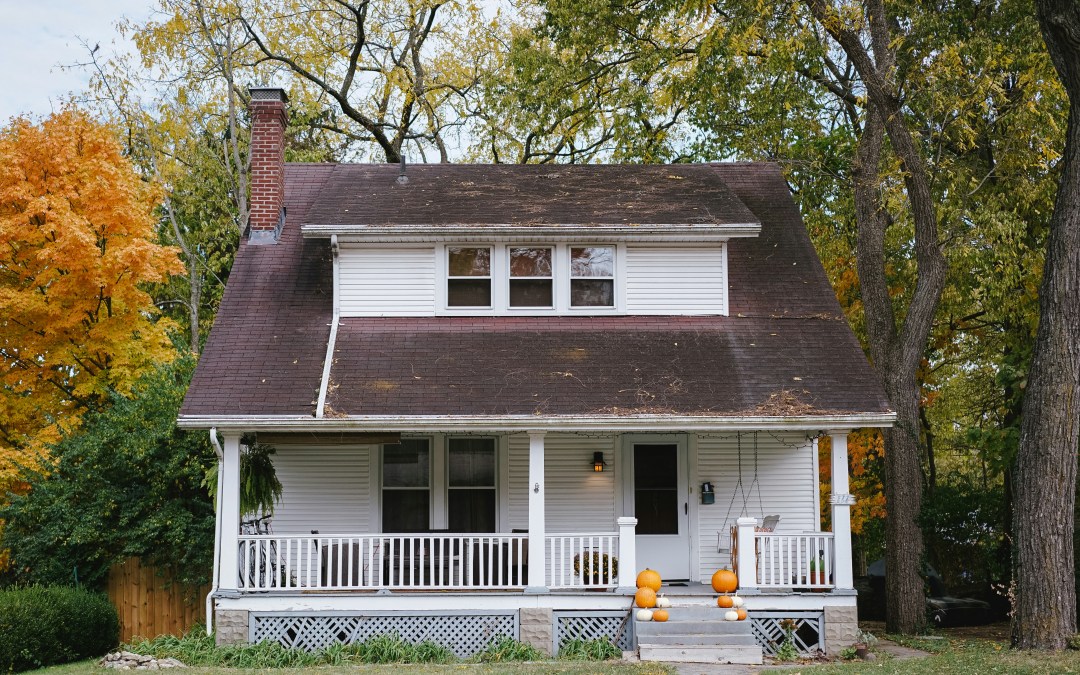
Colorado’s Front Range throws everything at your roof—hail, high UV at altitude, chinook winds, snow loads, and freeze–thaw cycles. Here’s how to spot common issues early, what you can safely do yourself, and when it’s time to call AC INC. Roofing (Advanced Consulting, Inc.) for professional help.
AC INC. Roofing is a licensed, insured, 5.0‑star rated contractor based in Denver, serving the metro area, Front Range, and Cheyenne, WY. Our Master HAAG‑Certified inspection team, Atlas Pro+ Platinum and GAF Certified installers, and Directorii-backed guarantee (up to $20,000) bring proven expertise to every roof.
Safety first and smart inspections
- Look from the ground with binoculars. Avoid stepping on steep, wet, icy, or snow‑covered roofs.
- Check your attic during or right after rain/snowmelt for drips, damp insulation, or stained sheathing.
- After hail or high winds, document with clear photos and note dates/times.
- When in doubt, schedule a free inspection by a HAAG‑Certified inspector from AC INC. Roofing.
Fast signs your roof needs attention
- Water stains on ceilings/walls or a musty attic odor
- Missing, torn, or lifted shingles; nail pops
- Excess shingle granules in gutters/downspouts
- Rusted, loose, or gapped flashing at chimneys, skylights, or wall transitions
- Hail “bruises” (soft spots), cracked tabs, or spider‑webbed shingles
- Ice dams along eaves, icicles, or attic frost in winter
- Ponding water on low‑slope roofs after 48 hours
Asphalt shingle problems (and fixes)
Asphalt shingles are common across Denver and the Front Range.
- Missing or wind‑loosened shingles
- Temporary: Seal lifted tabs with roofing cement and replace missing shingles if you can do so safely.
-
Permanent: Replace damaged sections; for widespread damage or age, consider a full replacement with impact‑resistant shingles (e.g., Atlas shingle systems) to better handle hail and wind.
-
Hail damage (bruising, cracks, or exposed mat)
-
Action: Do not ignore. Hail damage often warrants replacement and can qualify for an insurance claim. Get a HAAG‑Certified inspection and documentation.
-
Granule loss and UV wear
- What to know: Some granule shedding is normal; gutters full of granules or bald spots are not.
-
Fix: Replace damaged shingles; improve ventilation. If shingles are aging but still structurally sound, roof rejuvenation may be an option to help extend service life.
-
Nail pops and lifted tabs
-
Fix: Remove the raised nail, seal the hole, and fasten with a new nail in a nearby sound location; seal under the tab. Persistent nail pops can indicate deck movement—have it evaluated.
-
Blistering, thermal cracking, or cupping
- Causes: Heat buildup and inadequate ventilation.
- Fix: Replace affected shingles and correct ventilation balance (see below).
Flashings, penetrations, and skylights
Most leaks start where materials meet.
- Chimneys and sidewalls
- Issue: Loose/missing step or counter‑flashing; failed sealant; masonry cracks.
-
Fix: Re‑flash with proper step and counter‑flashing; spot‑tuckpoint masonry if needed. Avoid “sealant only” fixes.
-
Pipe boots and vents
- Issue: UV‑cracked rubber boots; loose storm collars.
-
Fix: Replace with quality lead or silicone boots; reseal collars and secure fasteners.
-
Skylights
- Issue: Failed gaskets, clogged weep holes, or flashing.
- Fix: Clear weeps; re‑flash or replace aged skylights. Use manufacturer‑approved sealants and flashing kits.
Ice dams and winter roof stress
Front Range winters bring temperature swings that create melt‑refreeze cycles.
- Why ice dams happen: Warm air leaks from the house melt snow on the roof; water refreezes at cold eaves, backing up under shingles.
- Immediate steps: From the ground, use a roof rake to remove the bottom 3–4 feet of snow. Do not chip ice. In emergencies, place calcium chloride in socks to create melt channels (avoid rock salt, which can corrode metal/tile and harm landscaping).
- Long‑term fixes: Improve attic air sealing and insulation, balance intake/exhaust ventilation, and install ice‑and‑water shield along eaves and valleys during replacement. Heat cables can help in chronic trouble spots.
Attic ventilation and moisture control
Balanced intake and exhaust keep your roof cooler in summer and drier in winter.
- Signs of poor ventilation: High attic temps, mold/mildew smells, rusted nails, or winter frost on sheathing.
- Fixes:
- Clear blocked soffit vents; add baffles to maintain airflow above insulation.
- Add or right‑size ridge, box, or off‑ridge vents to match intake.
- Ensure bath/kitchen fans exhaust outdoors (not into the attic).
Proper ventilation can extend shingle life and help prevent ice dams, blistering, and premature aging.
Gutters and drainage
- Clean gutters and downspouts each fall and after heavy leaf or hail storms.
- Seal leaking seams; ensure downspouts discharge well away from the foundation.
- Consider gutter guards where heavy debris is common; verify they won’t ice over at eaves.
Metal and tile roof concerns
- Metal roofs
- Common issues: Loose or backed‑out fasteners, degraded gaskets, seam separation, denting from hail (often cosmetic unless paint or metal is compromised).
-
Fixes: Replace with correct gasketed screws, re‑secure panels, and address seam sealing per manufacturer specs. Touch‑up coatings as needed.
-
Tile roofs (concrete or clay)
- Common issues: Cracked/broken tiles (often from foot traffic or hail), slipping tiles, aging underlayment.
- Fixes: Replace broken tiles with matching profiles; check battens; evaluate underlayment—on many tile roofs the underlayment provides primary waterproofing and may need replacement even if tiles look fine. Professional access and fall protection are essential.
Low‑slope and commercial roofs (TPO, EPDM, Mod Bit, coatings)
- Ponding water (>48 hours)
- Cause: Insufficient slope or blocked drains.
-
Fix: Improve drainage, add tapered insulation, clear drains/scuppers. Consider fluid‑applied coatings to restore UV protection and assist with minor ponding resistance per product specs.
-
Seams and details
- TPO/PVC: Re‑weld or patch with compatible membrane.
- EPDM: Renew seam tape/primer; patch punctures with EPDM kits.
-
Modified Bitumen: Re‑heat seams; repair blisters if the membrane is compromised; install walkway pads where there’s foot traffic.
-
Coatings
- Silicone, acrylic, or urethane coatings can extend service life when the membrane is still sound. Prep is critical: clean, dry, and repair before coating.
AC INC. Roofing installs and services TPO, EPDM, Modified Bitumen, and fluid‑applied coatings for commercial and residential low‑slope roofs.
Storm damage and insurance help
After hail or wind:
– Document damage and save any loose shingles or debris.
– Beware of high‑pressure “storm chasers.” Verify licensing, insurance, and credentials.
– Call AC INC. Roofing for a HAAG‑Certified inspection, thorough photo/video documentation, and insurance claim support. Our Atlas Pro+ Platinum and GAF Certified status means we can offer robust warranty options, and our Directorii certification backs customers with up to a $20,000 guarantee.
Repair vs. replacement: How to decide
- Repair is sensible when damage is localized and the roof is otherwise healthy.
- Replacement is smart when damage is widespread, leaks are recurring, or the roof is past expected service life.
- Upgrades to consider in hail and wind country:
- Impact‑resistant asphalt shingles (Atlas systems available)
- Fortified Roofing Solutions design options, certified to withstand severe weather including 130 mph winds, EF‑2 tornado conditions, and 2″ hail
- Metal or tile systems where appropriate
AC INC. Roofing offers roof repairs, replacements, roof rejuvenation, and full storm restoration with documentation tailored for insurance carriers.
Front Range seasonal roof checklist
- Spring: Inspect after late‑season snow and early hail; check flashings, pipe boots, and gutters.
- Summer: Monitor attic temps and ventilation; look for shingle blistering and sealant maturity.
- Fall: Clear gutters/leaves; verify heat cables; schedule a pre‑snow roof check.
- Winter: Watch for ice dams and attic frost; use a roof rake after heavy snows.
Why homeowners and property managers choose AC INC. Roofing
- Master HAAG Certification (Colorado’s first company to reach Master level)
- Atlas Pro+ Platinum Certified (Atlas systems with up to 50‑year warranties)
- GAF Certified (System Plus warranties available)
- Directorii‑certified (backed by up to $20,000 customer guarantee)
- Fortified Roofing Solutions certified
- Members of RSRA (invitation‑only), CRA, NRCA, and APA
- Free roof inspections by HAAG‑Certified inspectors
- Premium materials: impact‑resistant asphalt shingles, metal, tile, TPO, EPDM, Modified Bitumen, fluid‑applied coatings
Based at 6145 Broadway, Suite 25, Denver, CO 80216, we proudly serve the Denver metro, Front Range, and Cheyenne, Wyoming.
Ready for a trusted opinion or fast help after a storm? Contact Us today.